Cloud computing has become one of the biggest drivers of digital transformation for modern organizations. From startups to multinational companies, businesses are moving away from traditional IT infrastructure and embracing cloud technology to improve efficiency, reduce costs, and stay competitive.
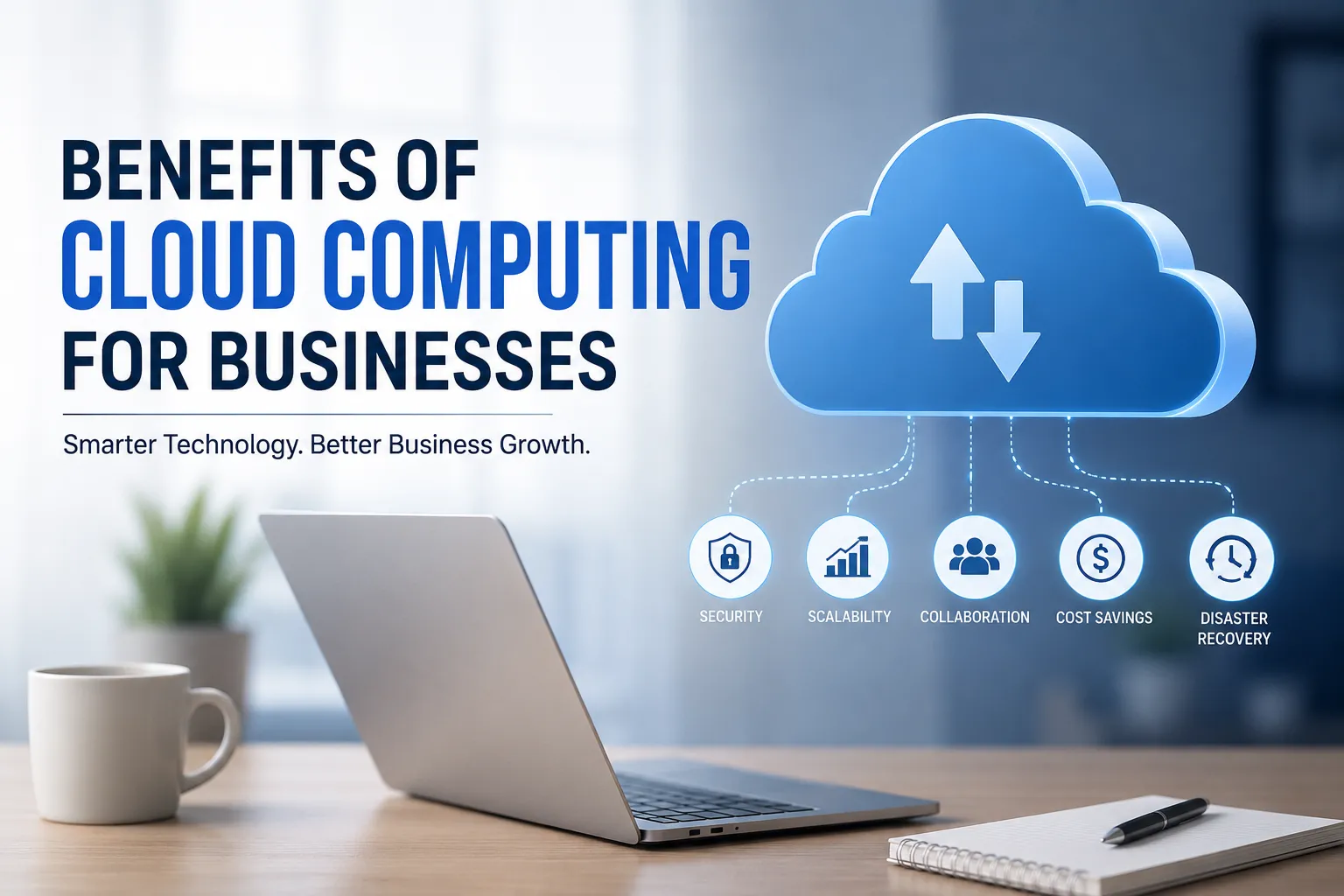
Whether you run a small business or manage a large enterprise, understanding the Benefits of Cloud Computing for Businesses can help you make smarter technology decisions and prepare for future growth.
In this guide, you’ll learn what cloud computing is, why businesses are adopting it, its major advantages, common challenges, best practices, and how to choose the right cloud platform.
What Is Cloud Computing?
Cloud Computing is the delivery of computing services—including storage, servers, databases, networking, software, and analytics—over the internet instead of relying on local computers or physical servers.
Instead of purchasing expensive hardware and maintaining your own data center, businesses can rent computing resources from cloud providers and pay only for what they use.
Simply put:
Cloud computing allows businesses to store data, run applications, and access IT resources online from anywhere with an internet connection.
How Cloud Computing Works
Cloud providers operate large data centers filled with servers. Businesses connect to these servers through the internet to access applications, files, databases, and computing power without owning the infrastructure themselves.
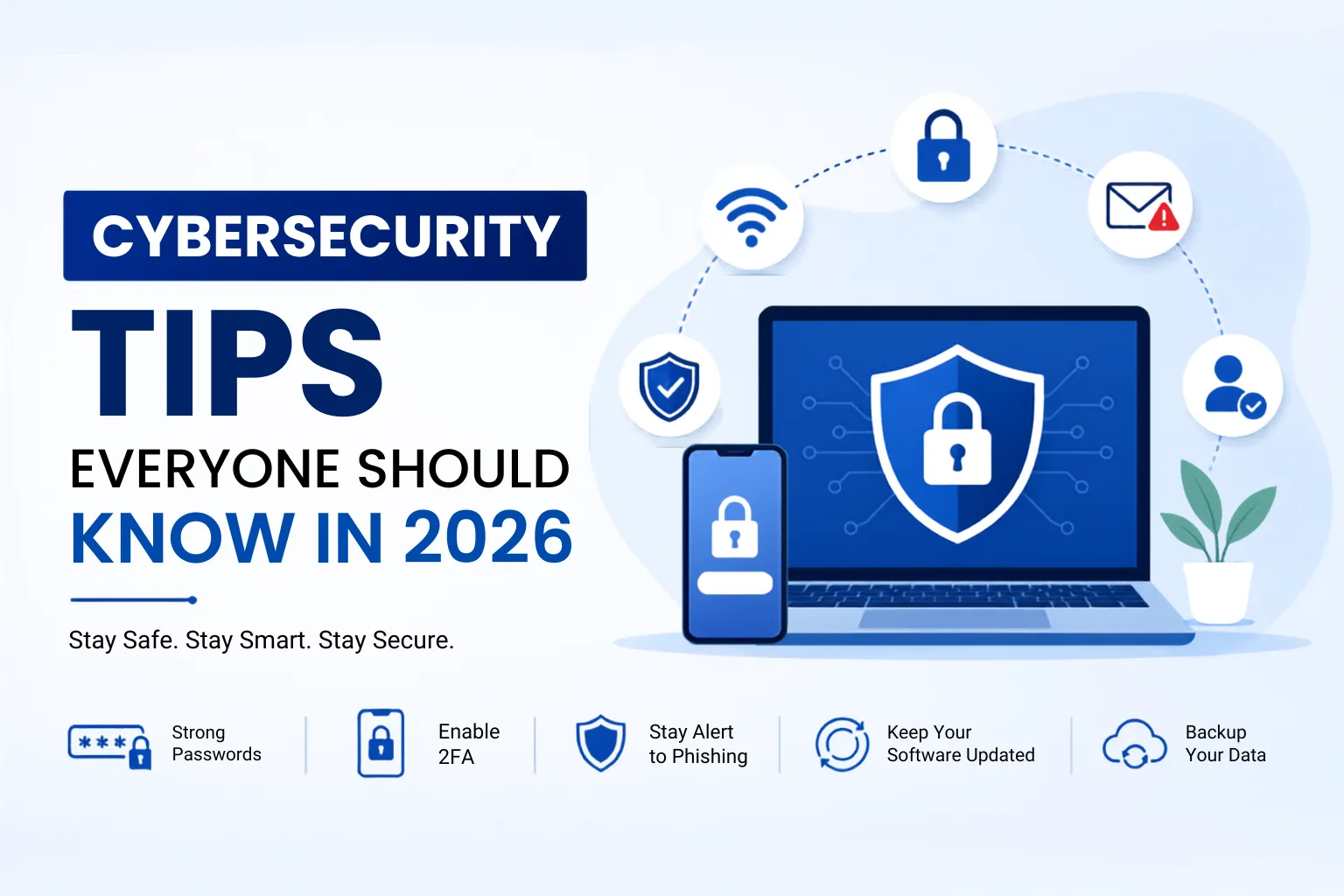
Also Read About: Cybersecurity Tips Everyone Should Know
Traditional IT vs Cloud Computing
| Traditional IT Infrastructure | Cloud Computing |
| High upfront hardware costs | Pay-as-you-go pricing |
| Limited scalability | Instantly scalable |
| Manual maintenance | Managed by provider |
| On-site servers | Internet-based services |
| Slower deployment | Rapid deployment |
| Higher downtime risk | Built-in redundancy |
Why Businesses Are Adopting Cloud Computing
Businesses worldwide are investing in Business Cloud Solutions because they provide greater flexibility and operational efficiency.
Major reasons include:
- Digital transformation initiatives
- Growing remote and hybrid work culture
- Easy access to business data
- Lower IT expenses
- Faster software deployment
- Better collaboration
- Improved business continuity
- Increased agility
As organizations continue embracing AI, automation, and data-driven decision-making in 2026, cloud technology has become a strategic necessity rather than an optional upgrade.
Top Benefits of Cloud Computing for Businesses
Lower IT Costs
One of the biggest Cloud Computing Benefits is cost reduction.
Businesses no longer need to invest heavily in:
- Physical servers
- Networking equipment
- Cooling systems
- Maintenance teams
- Software upgrades
Most Cloud Services operate on subscription or usage-based pricing, allowing organizations to pay only for the resources they actually use.
Benefits include:
- Lower capital expenditure
- Reduced maintenance costs
- Predictable monthly expenses
- Better ROI
Scalability and Flexibility
Business needs change constantly.
Cloud platforms allow organizations to scale resources up or down within minutes.
Examples include:
- Increasing server capacity during festive sales
- Adding storage for growing customer data
- Supporting business expansion into new markets
This flexibility helps businesses respond quickly to changing customer demands.
Improved Data Security
Modern Cloud Security has advanced significantly.
Leading cloud providers invest billions in cybersecurity technologies, including:
- Data encryption
- Multi-factor authentication (MFA)
- Firewalls
- Identity management
- Continuous security monitoring
- Automatic software updates
Although no system is completely risk-free, reputable cloud providers often offer stronger security than many small businesses can implement independently.
Better Collaboration
Cloud-based applications enable teams to collaborate in real time.
Employees can:
- Share documents instantly
- Edit files simultaneously
- Access project updates
- Communicate efficiently
Popular collaboration tools include cloud-based productivity suites, CRM systems, and project management platforms.
This is especially valuable for remote and hybrid work environments.
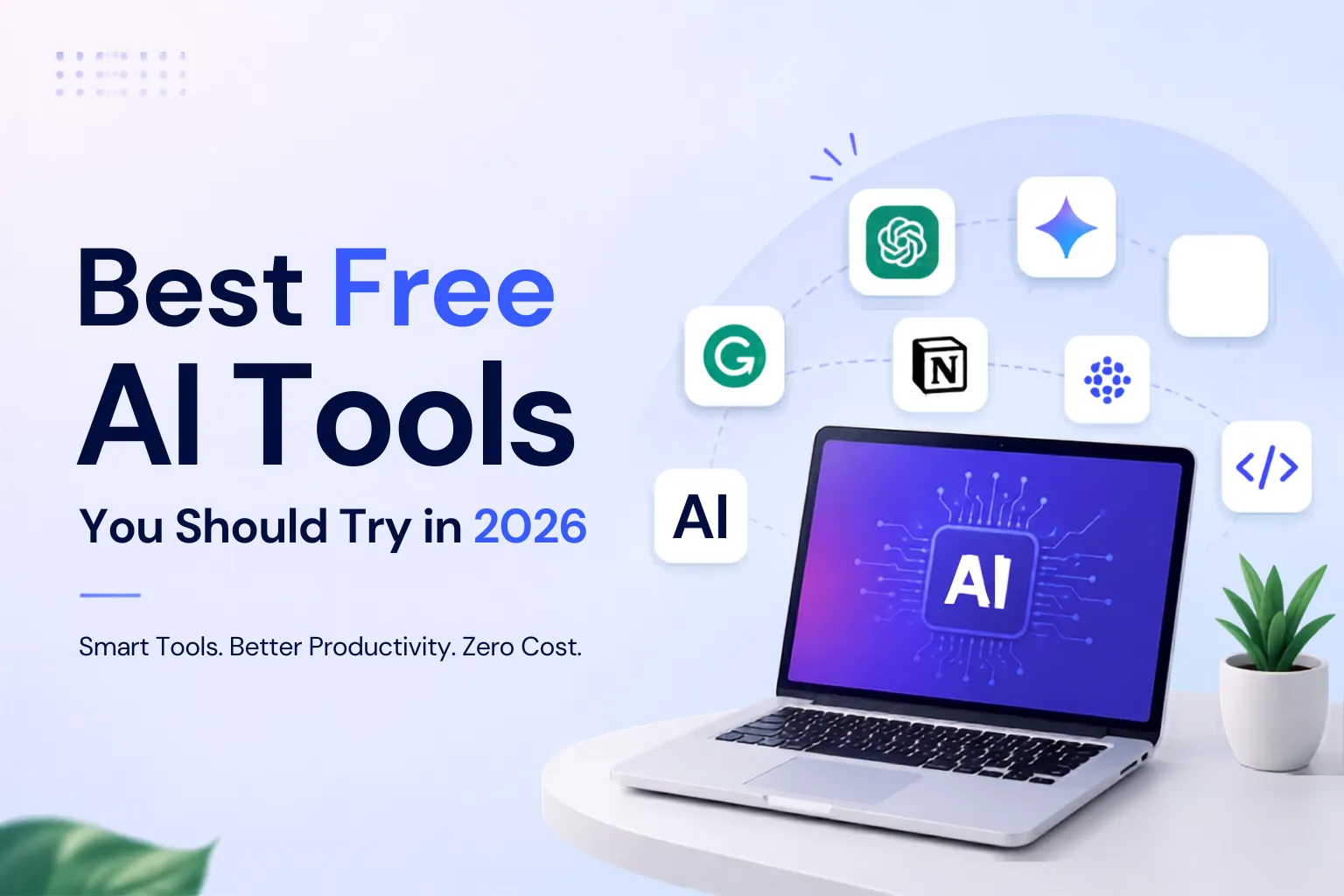
Also Read: Best Free AI Tools You Should Try in 2026
Business Continuity and Disaster Recovery
Unexpected events such as hardware failures, cyberattacks, natural disasters, or power outages can disrupt business operations.
Cloud computing helps reduce downtime through:
- Automatic backups
- Geographic data replication
- Disaster recovery solutions
- High availability infrastructure
Businesses can recover critical systems much faster than with traditional on-premises infrastructure.
Increased Productivity
Cloud technology eliminates many repetitive IT tasks.
Employees spend less time waiting for software installations, updates, or server maintenance.
Benefits include:
- Faster application access
- Reduced downtime
- Automated updates
- Better workflow integration
- Improved employee efficiency
This allows teams to focus more on innovation and customer service.
Easy Accessibility
One of the greatest Advantages of Cloud Computing is accessibility.
Employees can securely access:
- Documents
- Applications
- Customer databases
- Business reports
from laptops, tablets, or smartphones anywhere with an internet connection.
This flexibility supports global teams and improves business continuity.
Types of Cloud Computing
| Cloud Type | Best For | Example |
| Public Cloud | Small to large businesses needing scalable services | AWS, Microsoft Azure, Google Cloud |
| Private Cloud | Organizations with strict security or compliance needs | Dedicated enterprise infrastructure |
| Hybrid Cloud | Businesses combining on-premises systems with cloud services | Hybrid deployments using Azure or AWS |
Industries That Benefit Most from Cloud Computing
Cloud technology supports organizations across almost every industry.
Small Businesses
- Affordable IT infrastructure
- Faster growth
- Reduced operational costs
Healthcare
- Electronic medical records
- Secure patient data
- Telemedicine
Education
- Online learning
- Cloud-based collaboration
- Digital classrooms
Retail
- Inventory management
- Customer analytics
- Omnichannel shopping
Finance
- Secure transactions
- Fraud detection
- Regulatory compliance
Manufacturing
- Supply chain monitoring
- Predictive maintenance
- IoT integration
E-commerce
- Scalable online stores
- Payment processing
- Customer behavior analysis
Common Challenges of Cloud Computing
Although cloud computing offers numerous benefits, businesses should understand potential challenges.
Internet Dependency
Cloud services require reliable internet connectivity.
Solution: Invest in high-speed internet with backup connections.
Data Privacy Concerns
Sensitive business data must remain protected.
Solution:
- Use encryption
- Apply strict access controls
- Follow compliance regulations
- Choose certified cloud providers
Vendor Lock-In
Switching cloud providers can sometimes be complex.
Solution:
- Use open standards where possible
- Plan migration strategies early
- Avoid unnecessary proprietary dependencies
Initial Migration Costs
Moving applications and data to the cloud may require planning and investment.
Solution:
- Migrate gradually
- Prioritize critical workloads
- Create a phased migration roadmap
Best Practices Before Moving to the Cloud
Cloud Adoption Checklist
✅ Assess your business requirements
✅ Choose a trusted cloud provider
✅ Enable multi-factor authentication
✅ Backup important business data
✅ Train employees on cloud security
✅ Monitor cloud spending regularly
✅ Review security settings frequently
✅ Define access permissions
✅ Test disaster recovery plans
✅ Monitor performance continuously
Popular Cloud Computing Platforms
| Platform | Best For | Key Features |
| Amazon Web Services (AWS) | Businesses of all sizes | Largest service portfolio, global infrastructure, AI, analytics, storage |
| Microsoft Azure | Enterprises using Microsoft products | Windows integration, hybrid cloud, enterprise security |
| Google Cloud Platform (GCP) | Data analytics and AI workloads | BigQuery, Kubernetes, machine learning, high-performance networking |
Frequently Asked Questions
1. What is cloud computing in simple words?
Cloud computing means using internet-based services to store data, run software, and access computing resources instead of relying solely on your own computer or servers.
2. What are the biggest benefits of cloud computing for businesses?
Lower costs, better scalability, stronger collaboration, improved security, disaster recovery, and higher productivity.
3. Is cloud computing secure?
Yes. Reputable cloud providers use advanced security measures such as encryption, multi-factor authentication, continuous monitoring, and compliance certifications. Businesses still need strong internal security practices.
4. Which businesses should use cloud computing?
Businesses of all sizes—including startups, SMEs, healthcare providers, educational institutions, retailers, manufacturers, and large enterprises—can benefit from cloud technology.
5. What is the difference between cloud storage and cloud computing?
Cloud storage focuses on storing and retrieving files online, while cloud computing provides broader services such as applications, databases, servers, networking, and processing power over the internet.
6. Is cloud computing expensive?
Not necessarily. Many providers use flexible pay-as-you-go pricing, making cloud solutions cost-effective compared to maintaining traditional IT infrastructure.
7. Can small businesses benefit from cloud computing?
Absolutely. Small businesses gain affordable access to enterprise-grade technology, improved collaboration, enhanced security, and the ability to scale as they grow.
8. Which cloud platform is best for beginners?
The best choice depends on business needs. AWS offers the widest range of services, Azure integrates well with Microsoft environments, and Google Cloud is popular for analytics and AI projects.
Key Takeaways
- Cloud computing reduces IT costs through flexible, pay-as-you-go pricing.
- Businesses can scale resources quickly without major hardware investments.
- Cloud security features include encryption, MFA, and automatic updates.
- Teams collaborate more effectively with real-time cloud applications.
- Disaster recovery and automatic backups improve business resilience.
- Employees can securely access business resources from anywhere.
- Cloud platforms support innovation, automation, and long-term growth.
- Choosing the right provider and following security best practices maximizes cloud benefits.
Conclusion
Cloud computing is transforming the way modern businesses operate. By replacing traditional infrastructure with flexible, internet-based services, organizations can reduce costs, improve collaboration, strengthen security, and scale operations with ease. Whether you’re a startup looking for affordable technology or an enterprise managing global operations, adopting the right cloud solution can significantly improve efficiency and long-term competitiveness.
As digital transformation accelerates in 2026 and beyond, businesses that embrace cloud technology today will be better equipped to innovate, adapt to market changes, and deliver exceptional customer experiences. The key is to assess your business needs, choose a trusted cloud provider, follow security best practices, and implement a well-planned migration strategy to unlock the full benefits of cloud computing.