
For many people considering an electric vehicle (EV), the battery is the biggest question mark. The battery is the most expensive and important component of an EV, so it is natural to wonder how long it will last, how quickly it loses capacity, and what happens when it eventually needs replacement.
The good news is that modern EV batteries are designed for long-term use. Most modern electric car batteries are designed to last many years and can often remain useful for 10–20 years, depending on battery chemistry, climate, charging habits, driving conditions, and vehicle usage. Actual lifespan varies considerably between vehicles and operating conditions. The U.S. Department of Energy says current EV batteries may last around 12–15 years under moderate conditions, while real-world fleet research has found many modern batteries remain healthy beyond a typical vehicle’s service life.
This guide explains EV battery life, degradation, replacement costs, maintenance, warning signs, and practical ways to protect battery health.
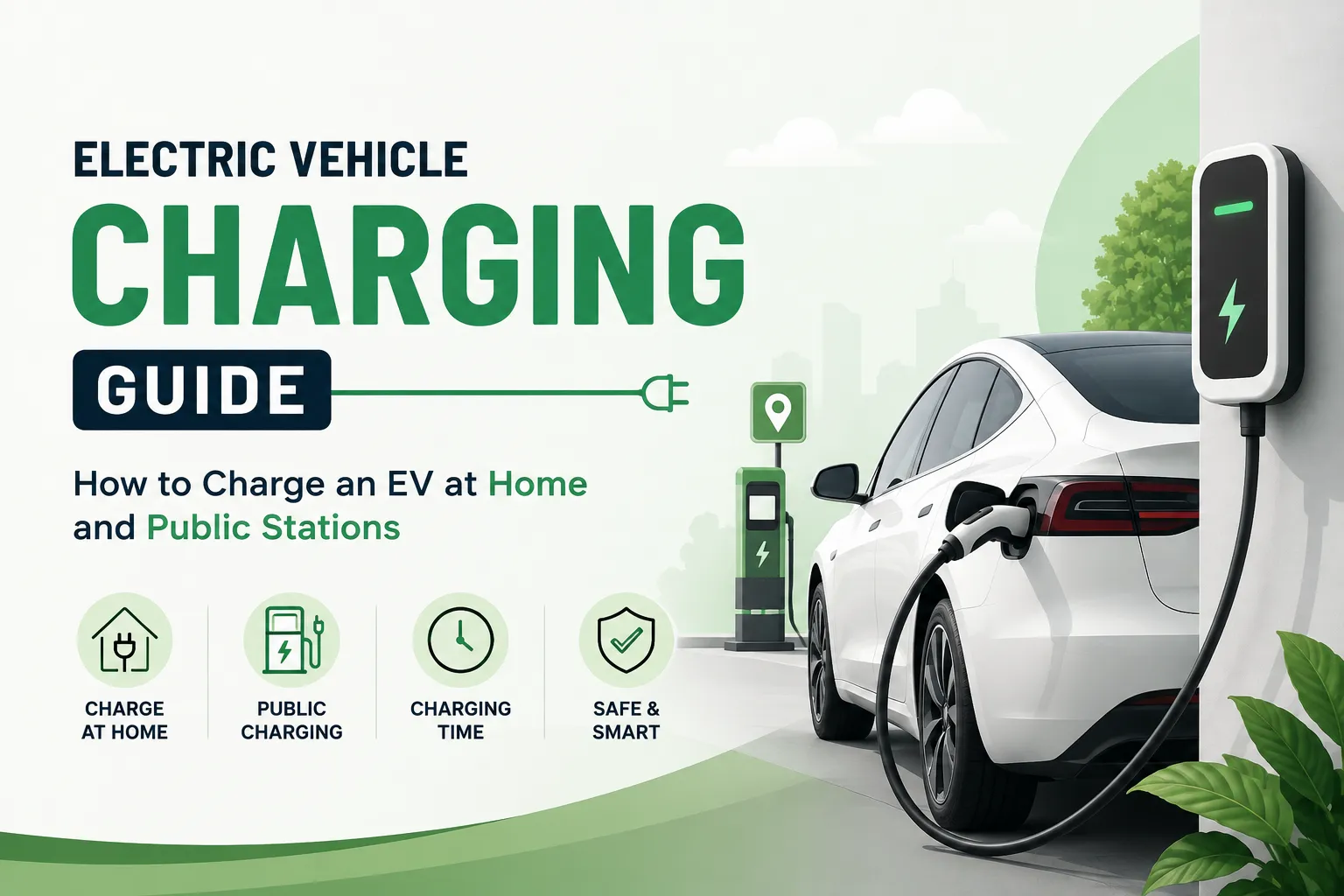
Also Read: Electric Vehicle Charging Guide: How to Charge an EV
How Long Do Electric Car Batteries Last?
So, how long do electric car batteries last? A reasonable expectation for a modern EV is roughly 12–15 years or longer, with some batteries potentially remaining useful for 15–20 years or more.
An EV battery does not normally stop working when it reaches a particular age. Instead, its capacity gradually decreases. This process is called EV battery degradation.
For example, a battery with 90% state of health (SOH) can store roughly 90% of the energy it could when new. That may mean less driving range between charges, but it does not necessarily make the vehicle unusable.
Real-world data also shows substantial variation. Geotab’s 2026 analysis of more than 22,700 EVs found average degradation of 2.3% per year, while its earlier analysis found 1.8% annually. The differences demonstrate why battery chemistry, vehicle design and operating conditions matter.
Battery lifespan and electric car battery warranty are also different things. A warranty is the manufacturer’s contractual protection for a specified period or mileage; it is not a prediction that the battery will fail when the warranty ends. Many manufacturers offer warranties around eight years or 100,000 miles, although coverage varies by vehicle and market.
What Causes EV Battery Degradation?
Several factors influence EV battery life.
Frequent Fast Charging
DC fast charging is extremely useful on road trips, but repeated high-power charging can put more thermal and electrical stress on a battery.
That does not mean fast charging will destroy an EV battery. Modern battery-management systems are designed to control charging safely. However, Geotab’s latest real-world analysis found vehicles relying heavily on DC fast charging above 100 kW had degradation rates of up to about 3.0% per year, compared with around 1.5% for vehicles primarily using lower-power charging.
Extreme Temperatures
Very high or very low temperatures can affect battery performance and aging. Heat is particularly important because elevated temperatures can accelerate chemical reactions inside lithium-ion cells.
Modern EVs commonly use thermal-management systems to heat or cool the battery, reducing these effects. Even so, prolonged exposure to extreme heat can influence long-term battery health. Geotab found vehicles operating in hotter climates degraded around 0.4 percentage points faster per year than those in milder climates.
High State of Charge for Long Periods
Keeping a battery near its maximum charge for extended periods can contribute to degradation. The same applies to leaving it nearly empty for long periods.
There is no need to obsess over a particular percentage every day, but following the charging limits recommended by the vehicle manufacturer is a sensible approach.
Driving and Charging Habits
Mileage alone does not determine EV battery life. Charging power, temperature, battery chemistry, depth of discharge and how long the vehicle remains at very high or very low charge levels all play a role.
How Much Does an Electric Car Battery Replacement Cost?
The electric vehicle battery replacement cost can vary enormously.
Important factors include:
- Vehicle model
- Battery capacity and chemistry
- Battery-pack design
- Parts availability
- Labor rates
- Whether the complete pack or only certain modules require repair
In the U.S. market, Recurrent reported in late 2024 that out-of-warranty replacement costs commonly ranged from approximately $5,000 to $16,000, while emphasizing that actual prices vary by vehicle and that complete replacements are relatively rare.
This should be treated as a market estimate, not an official price for every EV. A manufacturer’s replacement quote can be substantially higher or lower.
Importantly, battery replacement is not normally an early-ownership maintenance item. Recurrent’s analysis of more than 30,000 EVs found replacement rates were concentrated among older, first-generation EVs, while newer battery systems are benefiting from improved management technology and battery chemistry.
How to Maintain an Electric Car Battery
Good EV battery maintenance does not require complicated routines. Most of the important work is handled automatically by the vehicle’s battery-management system.
To understand how to maintain an EV battery, follow these practical habits:
- Avoid unnecessary extreme charging habits.
- Use DC fast charging when appropriate rather than for every charge.
- Follow the manufacturer’s recommended charging limits.
- Avoid leaving the vehicle at a very high or very low charge for extended periods.
- Protect the vehicle from extreme heat when practical.
- Use scheduled charging when useful.
- Follow the manufacturer’s maintenance instructions.
- Keep vehicle software updated when recommended.
The goal is not to avoid fast charging or 100% charging completely. Instead, use them when they make sense for your journey and follow the manufacturer’s guidance.
EV Battery Lifespan vs. Petrol Car Engine Lifespan
| Factor | EV Battery | Petrol Engine |
| Main function | Stores electrical energy | Converts fuel into mechanical energy |
| Wear over time | Gradual capacity loss | Mechanical wear |
| Routine maintenance | Relatively low | Generally higher |
| Major component replacement | Can be expensive | Can be expensive |
| Typical degradation | Gradual | Depends on engine condition |
The comparison is not simply about which component lasts longer. An EV battery gradually loses energy-storage capacity, while a petrol engine has numerous mechanical components that experience wear. Both can eventually require expensive repairs.
Also Read: Electric Cars vs Petrol Cars: Which Is Better in 2026?
How to Check Electric Car Battery Health
EV battery health can be assessed in several ways.
Start with information provided by the vehicle itself. Some EVs display battery-health or diagnostic information, while others make it available through service equipment.
Also watch for long-term changes in usable range. However, range alone is not a reliable battery-health test. Cold weather, high-speed driving, traffic, hills, tire pressure, heating and air conditioning can all reduce range temporarily.
For a more accurate assessment, an authorized service center or qualified EV technician can use diagnostic equipment to examine battery condition and charging performance.
Signs an EV Battery May Need Professional Inspection
Contact a qualified professional if you notice:
- Unexpectedly rapid range reduction
- Unusual charging problems
- Battery warning messages
- A significant drop in charging performance
- Unexpected power limitations
- Physical damage to the battery area after an accident
A damaged or malfunctioning high-voltage battery should not be opened or repaired by an unqualified person. EV high-voltage systems require specialized training and safety procedures.
Frequently Asked Questions
1. How many years does an electric car battery last?
Many modern EV batteries can remain useful for 12–15 years or longer. Actual lifespan depends on chemistry, thermal management, climate, charging and usage.
2. How much does it cost to replace an EV battery?
There is no universal price. A U.S. market estimate from Recurrent puts many out-of-warranty replacements at roughly $5,000–$16,000, but individual vehicles can cost substantially more or less.
3. Do electric car batteries need maintenance?
They require relatively little routine maintenance. The vehicle’s battery-management and thermal-management systems handle much of the work automatically.
4. Does fast charging reduce EV battery life?
Frequent high-power DC fast charging can accelerate degradation, particularly under demanding conditions, but occasional fast charging is a normal part of EV ownership.
5. Can an EV battery be replaced?
Yes. Depending on the vehicle and fault, technicians may replace the complete pack or repair specific components or modules.
6. How can I extend my EV battery lifespan?
Follow the manufacturer’s charging recommendations, avoid prolonged extreme charge levels, limit unnecessary high-power charging and protect the vehicle from extreme heat when practical.
Also Read: Best Car Maintenance Tips: Complete Guide for Every Car Owner
Conclusion
Battery longevity should not automatically be a reason to avoid buying an EV. Modern electric vehicles use sophisticated battery-management and thermal-management systems designed to protect their batteries during everyday driving and charging.
The important point is that EV battery degradation is generally gradual rather than a sudden failure. A battery can lose some capacity while remaining perfectly useful for many years.
When choosing an EV, consider more than the advertised driving range. Check the battery warranty, charging requirements, battery technology, thermal-management system, local climate and availability of manufacturer support. With sensible charging habits and appropriate maintenance, today’s EV batteries can provide many years of useful service.