
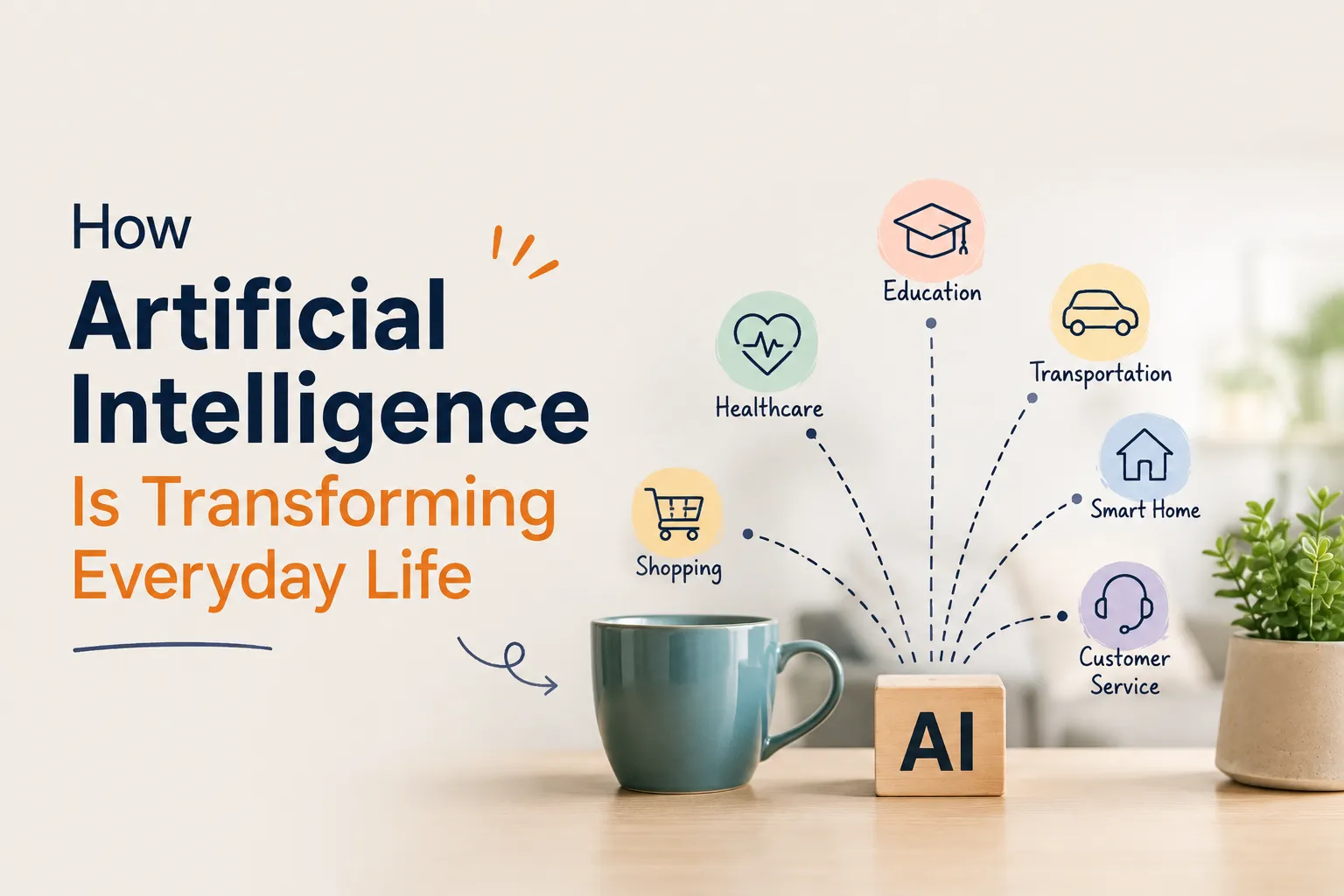
Artificial Intelligence (A.I) is not anymore a concept-bubble that is meant to be seen in science-fiction movies. It is now so intertwined in our everyday lives that it operates silently in the background, doing tasks you would otherwise do but quicker and ultimately better. While recommending the next movie to watch, or aiding doctors in detecting diseases, AI is transforming human life and activity.
AI is already starting to become mainstream. With the rapid advancement of technology, AI will just be a part of everyday life for individuals, companies and governments alike. This technology brings with it benefits, but also big privacy, employment and ethical questions. Knowing how AI affects our day-to-day existence will prepare us for a world in which intelligent systems become even more involved in our lives.
AI in Healthcare: Smarter and Faster Medical Support
Healthcare is one of those areas where AI is working wonders. Hospitals and clinics have started to implement AI-powered systems, which help them analyse medical images, discover diseases and assist doctors in accurate diagnosis. Such as being able to detect cancer indicators in X-rays and scans far quicker than human methods, leading to patients receiving treatment sooner.
Wearables like smartwatches, as well, use AI to actively track heart rates, sleep cycles and movement. You can find devices that help user get critical health information, and use that in turn to lead them to more healthy living. They also can easily answer basic medical questions without unnecessary appointments.
While AI could never replace human doctors, it is a powerful augmenting tool that increases efficiency and aids in providing better quality patient care.
Transforming Education Through Personalized Learning
AI is also bringing a monumental change in the education field. New-age learning platforms utilize artificial intelligence to analyze how well the students know their subject, and what benefits they can tolerate. They are able to suggest lessons, quizzes and even study material based on how a particular learner performs.
For example, AI-powered language-learning apps change the level of difficulty based on user progress. Students can ask a question and be given feedback from virtual tutors at any time. AI tools can ease heavy workloads for teachers through the automation of grading and administrative tasks, freeing up time for more classroom interaction.
This leads to a more personalized and better-equipped experience in achieving the outcomes of their learning.
Smarter Transportation and Safer Travel
Transportation has become more convenient thanks to AI-driven technologies. Navigation apps such as Google Maps use artificial intelligence to analyze traffic conditions and suggest the fastest routes. Ride-sharing services depend on AI algorithms to match passengers with drivers efficiently.
The development of self-driving cars represents another exciting application of AI. Companies like Tesla are investing heavily in autonomous vehicle technology, using AI systems to recognize roads, pedestrians, and obstacles. While fully autonomous transportation still faces challenges, these innovations have the potential to reduce accidents and improve road safety.
Public transportation systems also use AI to optimize schedules, reduce delays, and enhance the overall travel experience for commuters.
Entertainment and Shopping in the Age of AI
Many people interact with AI every day without even realizing it. Streaming platforms such as Netflix and music services like Spotify use AI algorithms to recommend content based on user preferences. These personalized suggestions help people discover movies, shows, and songs that match their interests.
Online shopping has also changed dramatically. E-commerce websites use AI to analyze browsing behavior and recommend products that customers are likely to purchase. Virtual shopping assistants and chatbots provide instant support, making the buying process smoother and more enjoyable.
Retail companies use AI to manage inventory, predict customer demand, and improve delivery services. As a result, consumers enjoy greater convenience and a more personalized shopping experience.
Smart Homes and Intelligent Customer Service
Smart home technology is becoming increasingly common in modern households. AI-powered virtual assistants such as Alexa, Google Assistant, and Siri can control lights, play music, answer questions, and manage daily schedules through simple voice commands. Smart thermostats learn user preferences and automatically adjust temperatures to save energy and reduce costs.
Customer service has also been transformed by artificial intelligence. Businesses now use AI chatbots to handle common inquiries, process orders, and provide support at any time of the day. This allows companies to respond quickly while reducing waiting times for customers.
However, human interaction remains important for solving complex issues that require empathy, creativity, and critical thinking. AI works best when it complements human abilities rather than replacing them entirely.
AI in the Workplace: New Opportunities and Challenges
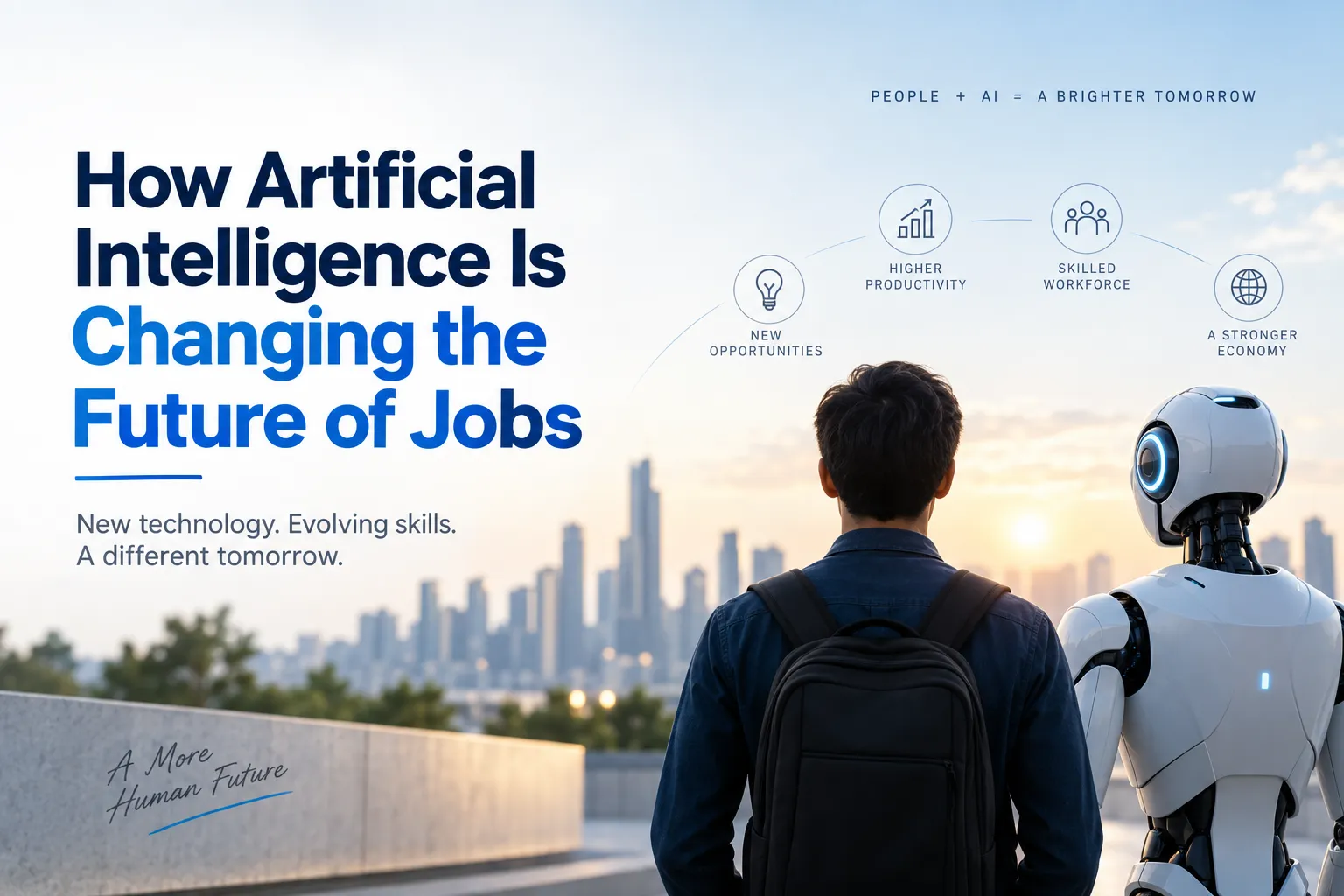
Artificial intelligence is reshaping the world of work in many industries. Companies use AI tools to automate repetitive tasks such as data entry, scheduling, and document processing. Employees can then focus on more creative and strategic responsibilities.
Generative AI tools are helping professionals write reports, create presentations, and analyze large amounts of information more efficiently. In manufacturing, AI-powered robots improve productivity and maintain consistent quality standards.
Despite these advantages, concerns about job displacement continue to grow. Some traditional roles may become less necessary as automation increases. At the same time, new careers in AI development, data science, and digital technology are emerging. The challenge for society is to provide education and training that prepare workers for these changing demands.
The Benefits and Concerns of Artificial Intelligence
The benefits of AI are clear. It saves time, increases efficiency, enhances decision-making and provides personalized experience in many areas of life. Use for complex problems solving which includes healthcare, education, transportation and business.
Still, there are notable considerations not to be overlooked. One of the major issues surrounding AI is privacy because many AI systems will often scrape data for large communities or even nations. On the other hand, people are concerned about how their information is stored, shared, and protected.
The refer requires ethical questions about bias with AI algorithms. Systems trained on incomplete or biased data will yield wrong or biased results. Collaboration among governments, enterprises and tech authorities is critical to fostering responsible AI development that ensures the interests of all stakeholders.
Conclusion: Looking Ahead to an AI-Powered Future
A.I. is reshaping daily life, hardly possible three decades ago — in ways that would have been beyond imagination. AI technologies are driving a new era in smart healthcare, personalized education, smart homes and workplaces and millions of people around the world are enjoying these conveniences with great opportunities.
AI is very powerful but its future brings important considerations related to privacy, ethics and the job market. If innovation is approached with responsibility, artificial intelligence can continue to be an incredible force for good. As AI evolves, this is without a doubt an even more reliable companion in day-to-day living, making our future smarter and more connected than ever.