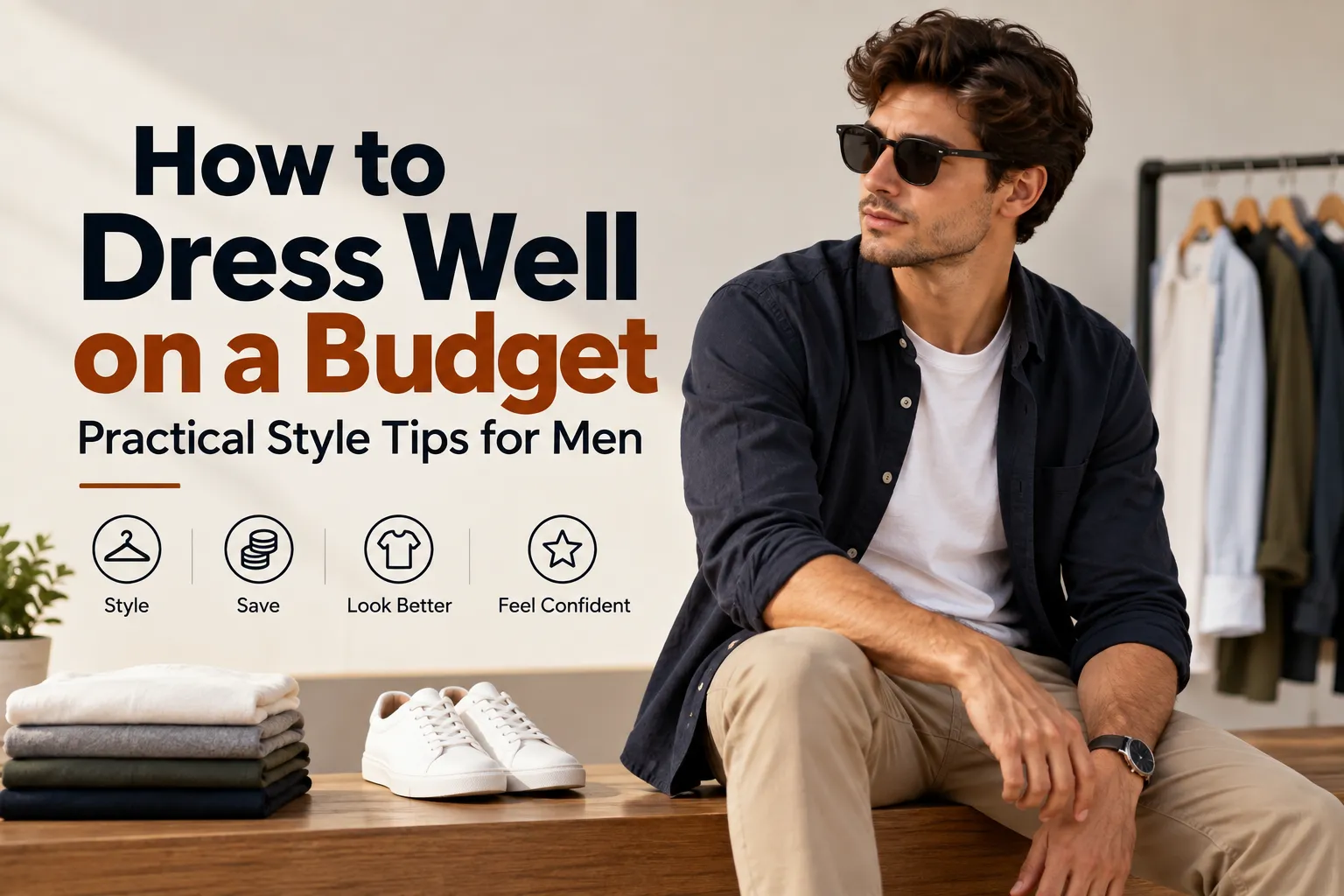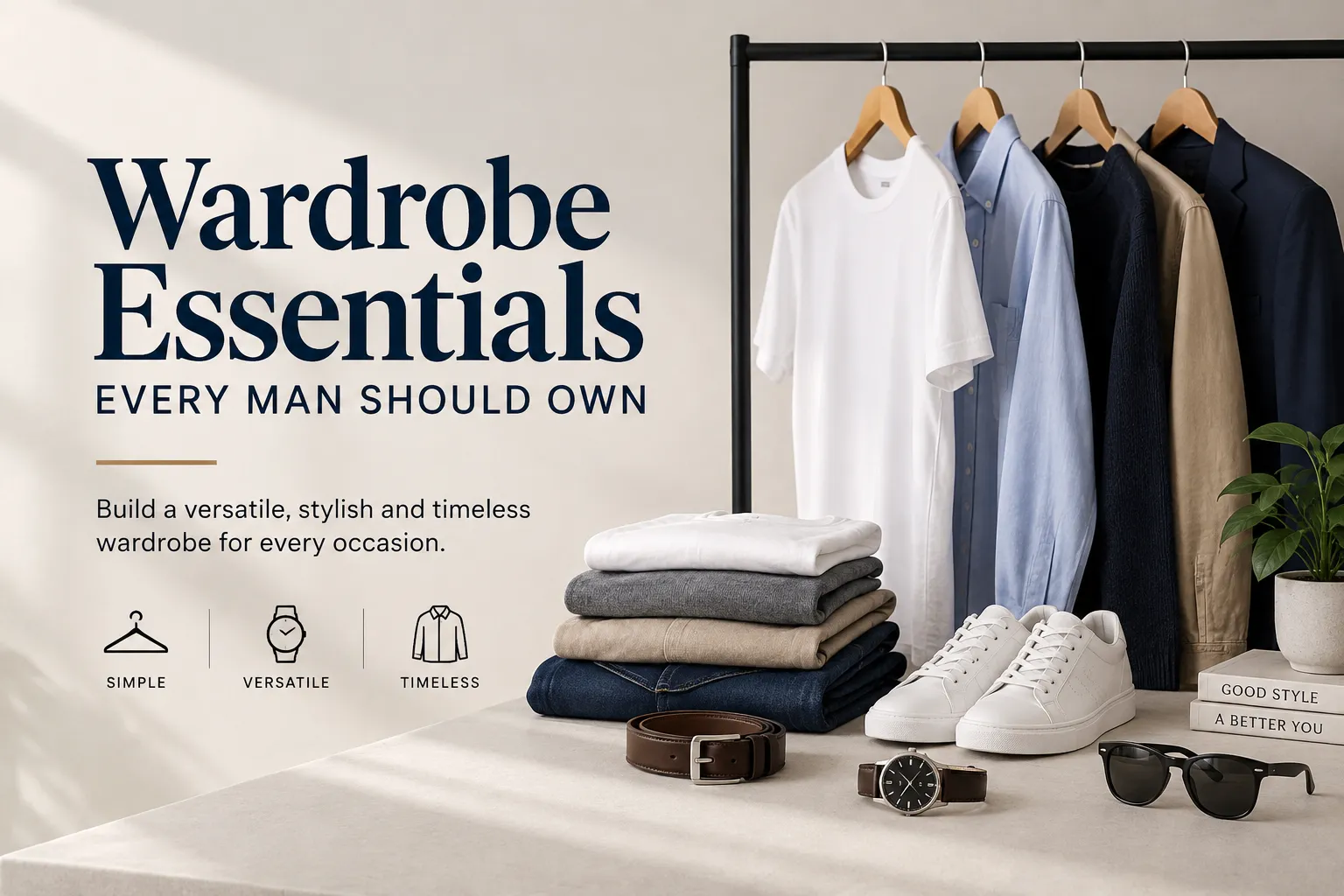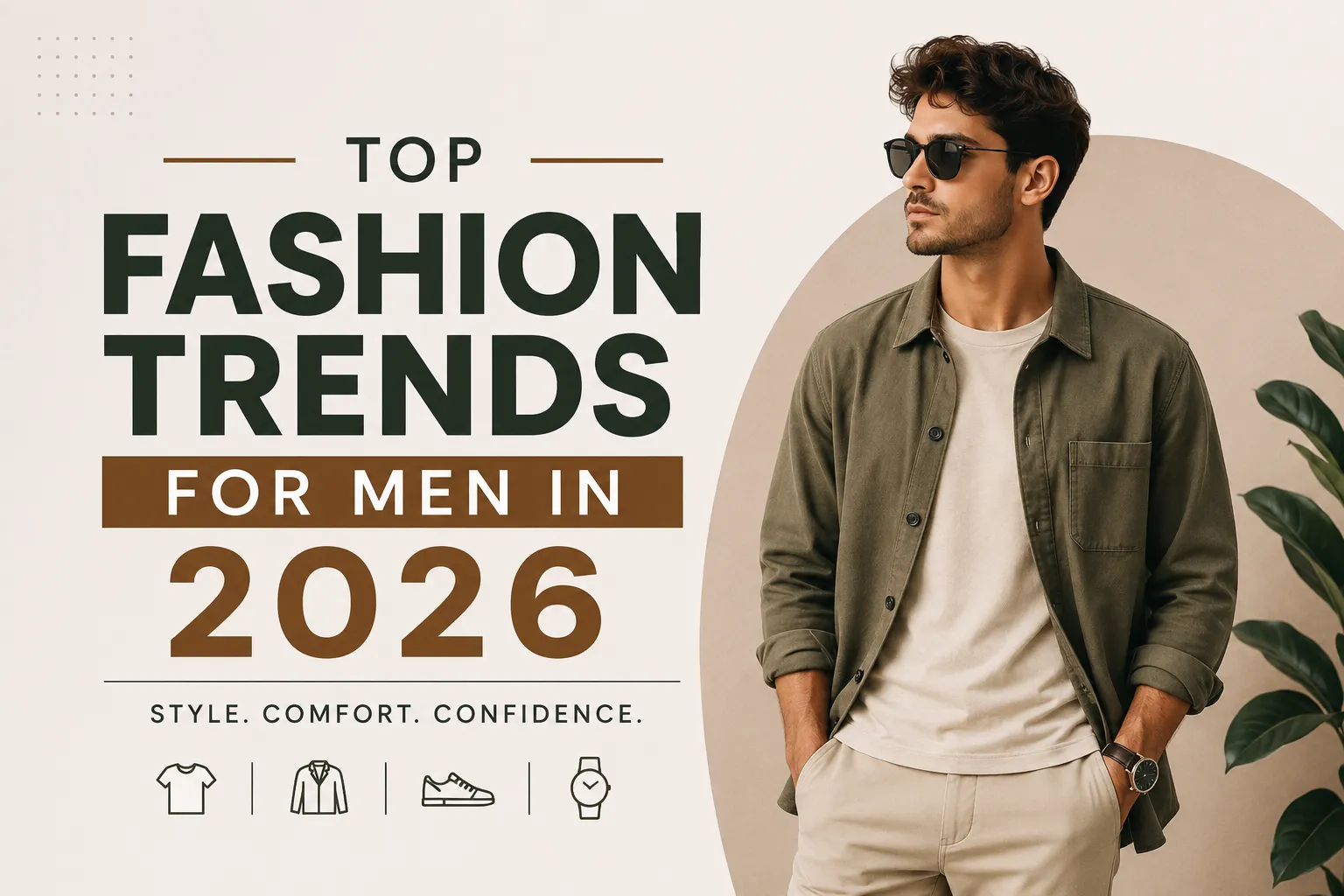

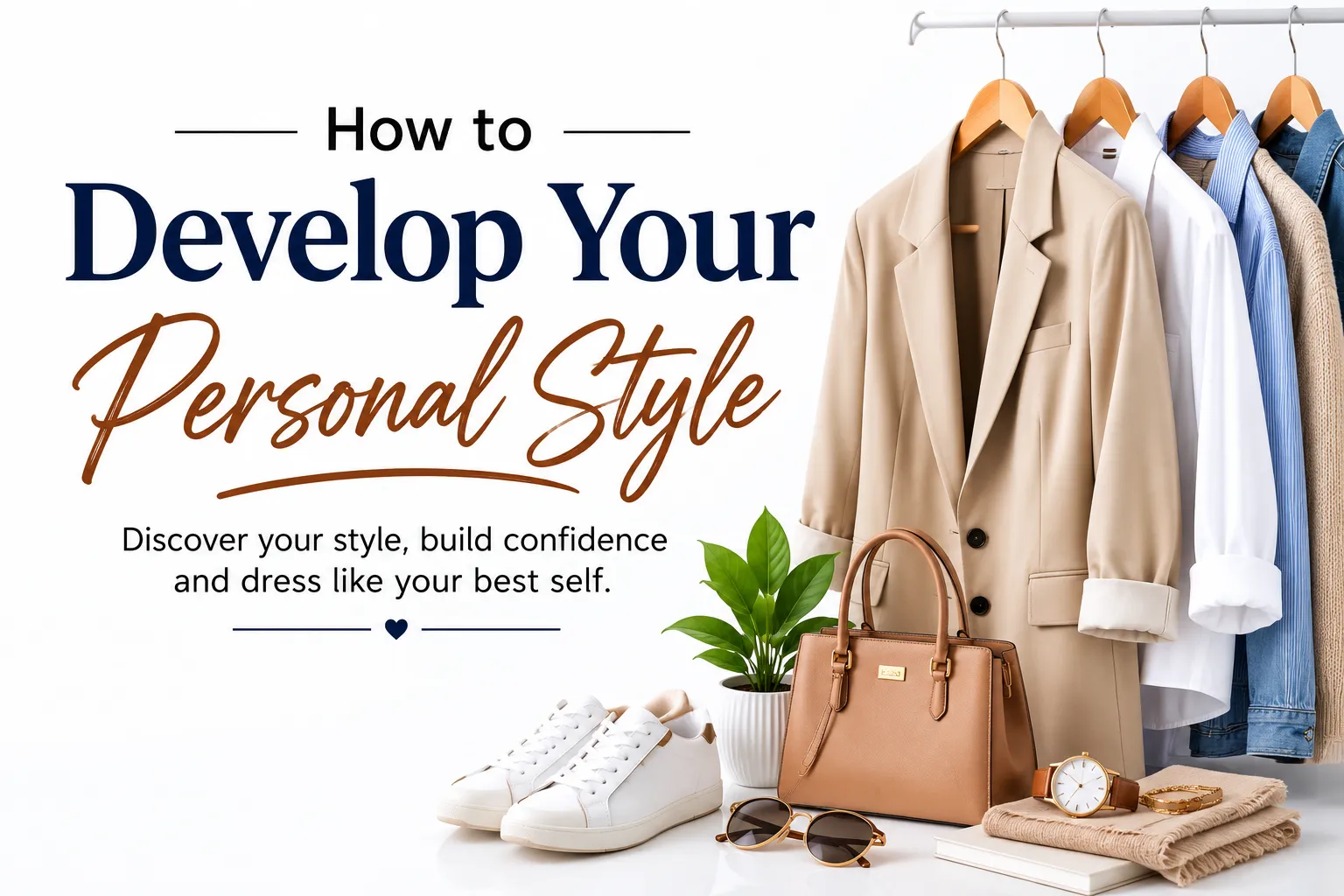
Personal style is more than just clothing—it’s a visual expression of who you are. The way you dress communicates your personality, lifestyle, values, and confidence before you even say a word. Whether you’re updating your wardrobe, building confidence, or searching for a signature look, developing your personal style can transform the way you feel about yourself and how others perceive you.
The good news? Personal style isn’t something you’re born with. It’s something you create, refine, and evolve over time. In this guide, you’ll learn practical steps to discover your unique fashion identity and build a wardrobe that truly reflects who you are.
Why Personal Style Matters
A well-defined personal style offers several benefits:
- Boosts self-confidence
- Makes shopping easier and more intentional
- Helps create a strong first impression
- Saves time when getting dressed
- Reflects your personality authentically
- Reduces unnecessary spending on trend-driven purchases
When your wardrobe aligns with your identity and lifestyle, you naturally feel more comfortable and confident in your appearance.
1. Understand Your Lifestyle First
Before buying new clothes or following fashion trends, evaluate your daily life.
Ask yourself:
- Where do I spend most of my time?
- What activities dominate my week?
- What dress codes do I need to follow?
- What occasions do I dress for regularly?
For example, a corporate professional will need a different wardrobe than a creative freelancer or a stay-at-home parent. Your personal style should support your lifestyle rather than conflict with it.
Creating a wardrobe that works for your everyday reality ensures that your clothes are both stylish and practical.
2. Find Fashion Inspiration
One of the easiest ways to discover your style is by collecting visual inspiration.
Look for ideas from:
- Fashion magazines
- Pinterest boards
- Instagram creators
- Street style photography
- Celebrities whose style you admire
- Fashion blogs and websites
As you gather inspiration, look for patterns. Do you gravitate toward minimalist outfits, classic tailoring, casual streetwear, bohemian aesthetics, or elegant sophistication?
Identifying recurring themes helps you understand what naturally appeals to you.
3. Define Your Style Personality
Most people fall into one or more style categories.
Common style personalities include:
Classic
Timeless, polished pieces such as blazers, tailored trousers, white shirts, and neutral colors.
Casual
Comfortable basics like jeans, sneakers, T-shirts, and relaxed silhouettes.
Modern Minimalist
Clean lines, neutral palettes, and simple yet sophisticated outfits.
Creative
Bold colors, unique prints, statement accessories, and fashion-forward choices.
Romantic
Soft fabrics, feminine details, flowing silhouettes, and delicate accessories.
Edgy
Leather jackets, dark colors, structured pieces, and unconventional styling.
Your personal style may combine multiple categories. The goal isn’t fitting into a single label but identifying what feels most authentic to you.
4. Assess Your Current Wardrobe
Take a close look at the clothes you already own.
Separate items into three categories:
Love It
Pieces you wear frequently and feel great in.
Maybe
Items that occasionally work but don’t excite you.
Let It Go
Clothes that no longer fit, flatter, or represent your style.
Pay attention to the pieces in your “Love It” pile. They often reveal valuable clues about your preferred colors, cuts, fabrics, and overall aesthetic.
A wardrobe audit helps eliminate clutter and creates space for more intentional choices.
5. Learn What Flatters Your Body Shape
Understanding fit is one of the most important aspects of personal style.
Regardless of trends, clothes should complement your natural proportions and enhance your best features.
Focus on:
- Proper sizing
- Balanced silhouettes
- Comfortable fits
- Strategic tailoring
Remember, style is not about hiding your body—it’s about dressing it confidently and comfortably.
When clothes fit properly, even simple outfits look more polished and expensive.
6. Discover Your Best Colors
Color plays a powerful role in personal style.
The right colors can:
- Brighten your complexion
- Enhance your features
- Increase confidence
- Create a cohesive wardrobe
Start by identifying whether you generally look better in warm or cool tones. Then experiment with shades that make you feel energized and attractive.
Building a wardrobe around a consistent color palette makes mixing and matching significantly easier.
7. Invest in Wardrobe Essentials
Trends come and go, but wardrobe essentials remain valuable year after year.
Examples include:
For Men
- Well-fitted jeans
- Tailored blazer
- Crisp white shirt
- Quality sneakers
- Versatile dress shoes
- Neutral chinos
For Women
- Structured blazer
- White button-down shirt
- Dark denim
- Little black dress
- Comfortable flats or heels
- Versatile handbag
These foundational pieces provide endless styling possibilities and form the backbone of a functional wardrobe.
8. Experiment Without Losing Authenticity
Developing a personal style requires experimentation.
Try:
- New silhouettes
- Different accessories
- Alternative color combinations
- Layering techniques
- Statement pieces
However, avoid copying someone else’s style entirely.
Fashion inspiration should guide you, not define you. The goal is to adapt ideas in a way that reflects your personality and lifestyle.
Authenticity is what makes personal style memorable.
9. Pay Attention to Grooming and Accessories
Style isn’t limited to clothing.
Your overall image includes:
- Hairstyle
- Skincare
- Grooming habits
- Footwear
- Jewelry
- Watches
- Bags
- Eyewear
Accessories often elevate simple outfits and make them feel intentional.
A well-chosen watch, necklace, belt, or handbag can become part of your signature look.
10. Evolve Your Style Over Time
Your personal style should grow with you.
As your career, lifestyle, interests, and confidence evolve, your wardrobe may change as well.
Regularly reassess:
- What still feels authentic?
- What no longer reflects who you are?
- What new influences inspire you?
Style is a journey, not a destination. The most stylish people continuously refine their appearance while staying true to themselves.
Common Mistakes to Avoid
When developing your personal style, avoid these common pitfalls:
- Following every fashion trend
- Buying clothes without a plan
- Prioritizing trends over fit
- Ignoring comfort
- Copying influencers exactly
- Keeping clothes you never wear
- Shopping emotionally
A thoughtful, intentional approach leads to a more cohesive and confident wardrobe.
Conclusion
Developing your personal style is one of the most rewarding investments you can make in yourself. It goes beyond fashion – it influences confidence, self-expression, and how you navigate everyday life.
By understanding your lifestyle, identifying what you love, building a wardrobe around fit and function, and embracing authenticity, you can create a style that feels uniquely yours.
Remember, the best-dressed people aren’t necessarily the ones wearing the most expensive clothes. They’re the ones who know who they are and dress in a way that reflects it confidently.
Your personal style is your visual signature – make it a reflection of your best self.