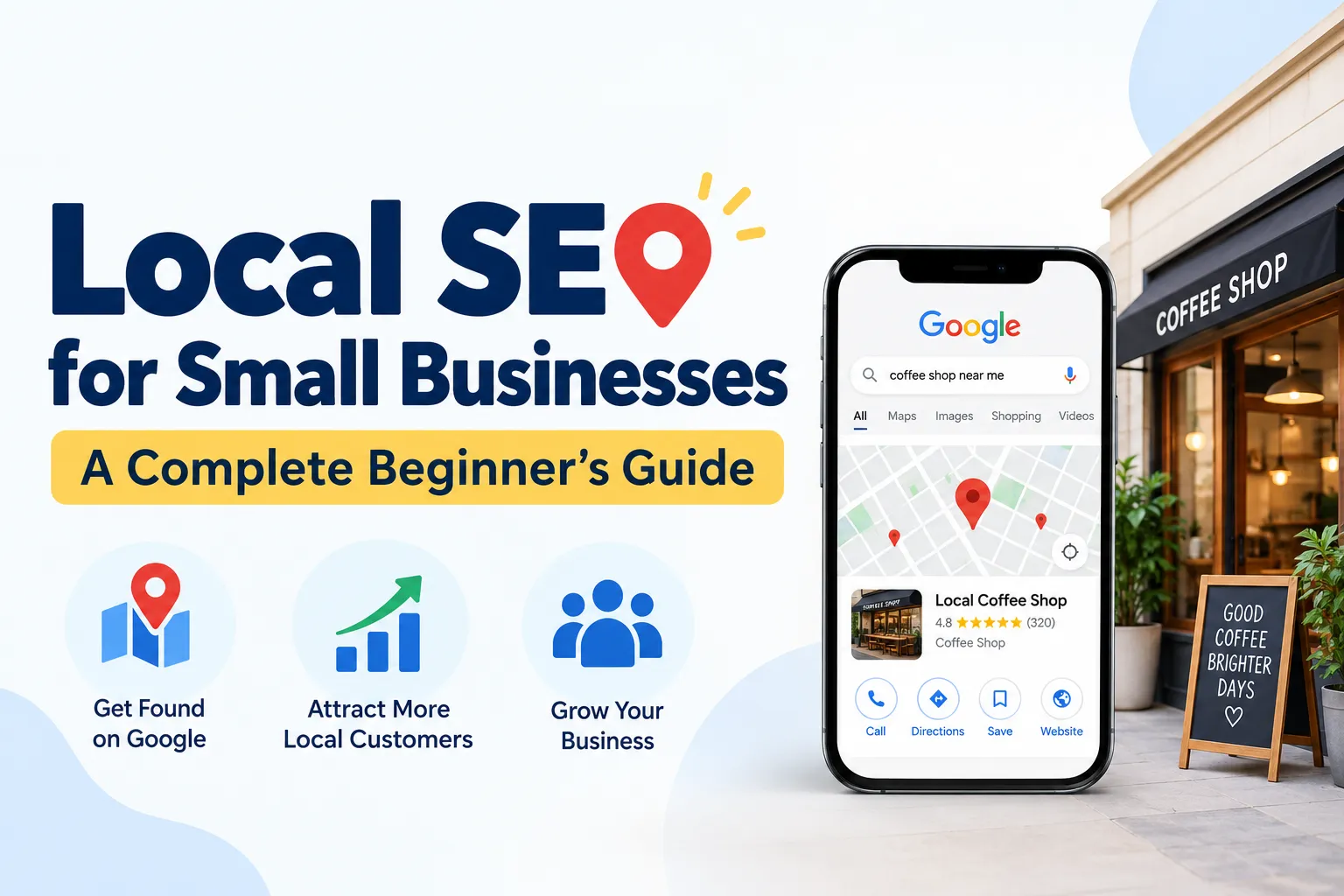
If someone needs a plumber, dentist, café, photographer, salon, repair service, or nearby shop, there is a good chance they will search online before deciding where to go. For small businesses, being visible when those searches happen can make the difference between getting a new customer and being overlooked.
That is where Local SEO for Small Businesses comes in.
Local SEO helps businesses become more visible to people searching for products and services in a specific area. It can help you appear in Google Search and Maps, attract website visitors, generate calls and direction requests, and build trust with potential customers.
This guide explains how local SEO works, what you should prioritize, common mistakes to avoid, and a simple 30-day plan for getting started.
What Is Local SEO?
Local SEO is the process of improving a business’s online presence so it can be discovered by people searching for relevant products or services in a particular geographic area.
Traditional SEO focuses broadly on gaining visibility in search engines. Local SEO focuses more specifically on searches connected to a place, such as “best coffee shop near me” or “plumber in Ahmedabad.”
Google says local results are primarily based on relevance, distance, and prominence. These factors help determine which businesses are the best matches for a particular local search.
For example, if someone searches for “bakery near me,” Google may consider bakeries that match the search, their distance from the searcher, and how prominent or well-established those businesses appear online.
Why Local SEO Matters for Small Businesses
Local SEO can be particularly valuable when your customers live, work, or regularly visit the area you serve.
A strong local search presence can help you:
- Increase visibility in local Google searches
- Drive more visitors to your website
- Generate more phone calls
- Encourage direction requests and store visits
- Reach people actively looking for your services
- Build trust through reviews and accurate information
- Compete with larger companies in your local market
- Create a sustainable source of customer discovery
For example, a small family-owned electrician may not compete nationally with a large home-services brand. But it can build a strong presence for relevant searches in the cities and neighborhoods it actually serves.
How Google Local Search Works
Google explains local ranking using three main concepts: relevance, distance, and prominence.
Relevance
Relevance means how closely a business matches what the customer is searching for.
Complete and accurate business information can help Google understand what your business does and match it with relevant searches.
Distance
Distance refers to how far a business is from the searcher or the location included in the search.
A search for “restaurant near me” can therefore produce different results for people searching from different locations.
Prominence
Prominence refers broadly to how well-known or established a business appears to be.
Google says prominence can be influenced by information across the web, including links and reviews. Review count and ratings can also contribute to local ranking.
These factors work together. There is no legitimate way to pay Google for a better organic local ranking.
7 Local SEO Tips for Small Businesses
1. Create and Optimize Your Google Business Profile
A Google Business Profile is one of the most important foundations of local search optimization. It allows eligible businesses to appear on Google Search and Maps with information such as their address, hours, website, phone number, photos, and reviews. Google currently offers Business Profiles at no cost.
Start by:
- Claiming or creating your profile
- Using your real business name
- Selecting the most relevant category
- Adding accurate contact information
- Providing your correct address or service area
- Adding regular and special opening hours
- Uploading useful, high-quality photos
- Keeping your information updated
Accuracy matters. Google specifically recommends keeping business information complete and up to date.
2. Use Local Keywords Naturally
Use phrases that describe both your service and the locations you genuinely serve.
For example:
- “Wedding photographer in Surat”
- “AC repair service in Vadodara”
- “Italian restaurant in Pune”
These phrases can naturally appear in relevant website pages, headings, page titles, meta descriptions, service descriptions, and useful blog posts.
Do not repeat the same keyword unnaturally. Good small business SEO focuses on helping visitors understand what you offer, where you operate, and why they should choose you.
3. Get Genuine Customer Reviews
Reviews help potential customers evaluate a business before contacting or visiting it. Google also states that positive reviews and helpful replies can help a business stand out.
Ask genuine customers for honest feedback after a successful purchase or service.
Never buy reviews, create fake reviews, or offer incentives in exchange for reviews. Google explicitly prohibits incentivized review activity and other forms of fake engagement.
Respond to reviews professionally, including reasonable negative feedback. A thoughtful response can demonstrate that you care about customer experience.
4. Keep Your NAP Information Consistent
NAP stands for:
- Name
- Address
- Phone number
Make sure these details are accurate and consistent across your website, Google Business Profile, relevant directories, social profiles, and other reputable platforms.
Inconsistent information can create confusion for customers and make it harder for search engines to understand which business information is correct.
5. Create Location-Focused Content
Create useful content that genuinely answers questions from people in your service area.
Examples include:
- “How to choose a plumber in Ahmedabad”
- “Common AC problems for homeowners in Vadodara”
- “What to look for when hiring a wedding photographer in Surat”
Avoid creating dozens of nearly identical pages simply by replacing one city name with another. Your content should offer real value, local knowledge, examples, or useful advice.
6. Build Local Backlinks and Partnerships
A backlink is a link from another website to yours. Relevant local links can help strengthen your online presence.
Consider building relationships with:
- Local business associations
- Community organizations
- Local publications
- Event organizers
- Relevant suppliers and partners
- Charities and community initiatives
- Local professional networks
For example, a local bakery sponsoring a community event might earn a legitimate mention from the event organizer’s website.
Focus on genuine relationships rather than buying large numbers of low-quality links.
7. Make Your Website Mobile-Friendly
Many local searches happen when people are away from home or ready to take action. Your website should therefore be easy to use on a phone.
Prioritize:
- Fast loading
- Clear navigation
- Easy-to-find contact information
- Click-to-call buttons
- Simple enquiry forms
- Readable text
- Mobile-friendly layouts
Google recommends providing a good overall page experience, including pages that display well on mobile devices and provide strong usability.
Local SEO Checklist for Small Businesses
| Local SEO Task | Recommended Action |
| Google Business Profile | Complete and update your profile |
| Business Information | Keep NAP accurate and consistent |
| Reviews | Encourage genuine customer reviews |
| Website | Optimize for mobile users |
| Keywords | Use relevant local phrases naturally |
| Content | Publish useful local content |
| Citations | Keep reputable business listings accurate |
| Links | Build relevant local relationships |
Common Local SEO Mistakes to Avoid
Keyword stuffing: Repeating locations and keywords excessively makes content difficult to read and can create a poor user experience.
Fake business listings: Creating misleading or duplicate profiles can cause trust and visibility problems.
Buying fake reviews: Fake or incentivized reviews violate Google’s policies and undermine customer trust.
Incorrect business information: Wrong phone numbers, addresses, or hours can frustrate customers.
Ignoring reviews: Not responding to legitimate customer feedback can make a business appear less engaged.
Outdated Business Profile: Old hours, missing information, and outdated photos can reduce usefulness for potential customers.
Low-quality location pages: Pages created solely to target different cities without meaningful local information provide little value.
Ignoring mobile users: A difficult-to-use mobile website can turn interested searchers away.
Spammy backlinks: Low-quality link schemes can create unnecessary SEO risks. Build relationships and earn relevant links instead.
How Long Does Local SEO Take to Work?
There is no universal timeline for local SEO.
Results can vary based on your industry, location, competition, website quality, existing online presence, reviews, consistency, and the amount of work being done.
Google notes that new businesses can take time to appear in search results, and changes to Business Profile information may also take time to appear.
Think of local SEO as a long-term marketing investment rather than an overnight ranking trick. Improvements may happen at different speeds across Google Maps, local results, and organic website results.
Most importantly, avoid anyone promising a guaranteed position in Google.
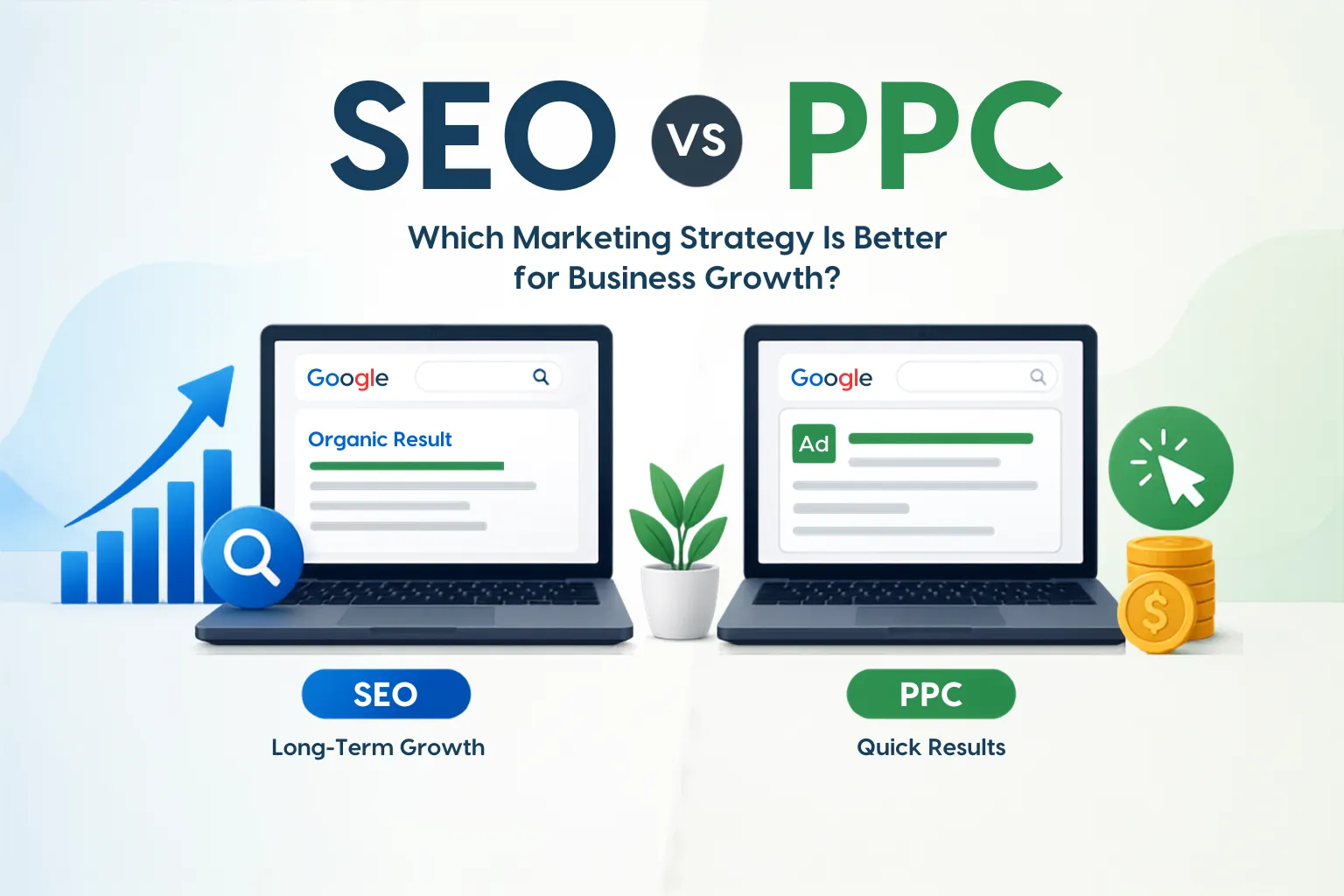
Local SEO vs. Paid Advertising
| Local SEO | Paid Advertising |
| Long-term strategy | Immediate visibility |
| Organic traffic | Paid traffic |
| Requires ongoing optimization | Requires advertising budget |
| Builds online authority | Can generate quick leads |
| Benefits can compound over time | Traffic generally stops when ads stop |
The two approaches do not have to compete.
A small business might use paid advertising to generate immediate enquiries while developing its local SEO strategy for longer-term organic visibility.
Frequently Asked Questions
1. What is local SEO for small businesses?
Local SEO is the process of improving a business’s online presence so it can appear more prominently when people search for relevant products or services in a specific geographic area. It includes optimizing your Google Business Profile, website, reviews, business information, local content, and online presence.
2. Is local SEO worth it for a small business?
Yes, local SEO can be highly valuable for businesses that serve a specific geographic area. It can help potential customers discover your business when they are actively searching for nearby products or services. The value is especially strong for shops, restaurants, tradespeople, professional services, and location-based businesses.
3. How can I improve my local SEO?
Start with the fundamentals: claim and complete your Google Business Profile, keep your business information accurate, make your website mobile-friendly, use relevant local keywords naturally, earn genuine reviews, create useful local content, and build legitimate relationships with other local organizations.
4. Is Google Business Profile free?
Yes. Google states that creating a Business Profile and managing your business on Google Search and Maps is free. Eligible businesses can use it to provide information such as hours, photos, contact details, services, and other useful information to customers.
5. How long does local SEO take to work?
There is no fixed timeframe. Results depend on competition, location, industry, website quality, existing authority, reviews, and the consistency of your SEO efforts. Some improvements may appear relatively quickly, while building stronger local visibility can take much longer.
Conclusion
Local SEO for Small Businesses does not have to be complicated or expensive. You do not need a huge marketing budget to start building a stronger presence in local search.
Begin with the basics: make your Google Business Profile accurate and complete, create a useful mobile-friendly website, earn genuine customer reviews, and publish information that helps people in your community.
The goal is not simply to rank higher. It is to make it easier for the right customers to discover, trust, and contact your business.
Focus on helping local customers first, then improve your visibility consistently over time. Start with your Google Business Profile today, optimize your website, and build a stronger local presence one step at a time.