Planning your first solo trip can feel exciting, liberating, and a little intimidating. You get to choose where to go, what to see, when to wake up, and how much time to spend doing absolutely nothing.
The good news? Solo travel does not have to be complicated. With a little preparation, even a nervous first-time traveler can have a comfortable and enjoyable experience.
This guide explains how to plan a solo trip step by step, from choosing a destination and setting a budget to booking accommodation, creating an itinerary, packing, and staying safe.
What Is Solo Travel?
Solo travel means taking a trip without a regular travel companion, allowing you to choose your own destination, schedule, activities, and budget.
Traveling alone does not necessarily mean being alone throughout your trip. You can join walking tours, chat with other travelers, meet friends or locals, or simply enjoy exploring independently.
Some benefits of solo travel include:
- Greater freedom over your schedule
- More opportunities to make your own decisions
- A chance to build confidence and independence
- Flexibility to change plans
- Time to discover what you genuinely enjoy
If you’re nervous, your first solo trip doesn’t need to be a two-week international adventure. A two- or three-day trip somewhere relatively close to home can be an excellent introduction to solo travel.
How to Plan a Solo Trip Step by Step
1. Choose the Right Destination
Destination selection is one of the most important parts of solo trip planning. For your first trip, choose somewhere that feels manageable rather than somewhere that simply looks impressive on social media.
Consider:
- Safety: Research current conditions and official travel advisories.
- Language: Think about how comfortable you are communicating there.
- Transportation: Destinations with reliable public transportation can simplify your trip.
- Cost: Check accommodation, food, transportation, and attraction prices.
- Weather: Choose a season that suits your activities and comfort level.
- Tourist infrastructure: Established tourist areas can be easier for beginners.
- Distance: A shorter journey may make your first experience less stressful.
A destination where you can easily walk around, use public transportation, find accommodation, and access basic services can make solo travel much easier.
2. Set a Realistic Travel Budget
Before booking anything, work out how much you can comfortably spend. A realistic budget prevents money worries from taking over your vacation.
Your main expenses may include:
- Flights or other transportation
- Accommodation
- Food and drinks
- Local transportation
- Attractions and activities
- Travel insurance
- Emergency expenses
For example, if your total budget is $600, you might roughly allocate:
| Expense | Example Budget |
| Transportation | $180 |
| Accommodation | $180 |
| Food | $100 |
| Activities | $60 |
| Local transport | $40 |
| Emergency buffer | $40 |
These numbers are only an example. Your actual costs will depend heavily on the destination, travel dates, and travel style.
For budget solo travel, keep an emergency buffer rather than spending your entire budget before departure.
3. Book Your Accommodation Carefully
When traveling alone, accommodation is about more than finding the lowest price. Location, reviews, and convenience matter.
Look for:
- Consistently good recent reviews
- A convenient and comfortable location
- Easy access to transportation
- Secure entry
- Clear check-in instructions
- A 24-hour reception where practical
- Restaurants, shops, and essential services nearby
Hostels can be useful if you want a social environment. Hotels and guesthouses may suit travelers who prefer more privacy, while reputable vacation rentals can work well for longer stays.
Read recent reviews carefully, especially comments about the location, cleanliness, noise, and check-in process.
4. Create a Simple Solo Travel Itinerary
A common first-time mistake is trying to see everything.
Instead, plan two or three major activities per day and leave room for meals, transportation, rest, and unexpected discoveries.
A simple itinerary might look like this:
8:30 a.m. — Breakfast
10:00 a.m. — Visit a major attraction
1:00 p.m. — Lunch and rest
3:00 p.m. — Explore a nearby neighborhood
6:00 p.m. — Return to accommodation
7:30 p.m. — Dinner
Group nearby attractions together to avoid wasting time traveling across a city. Also keep a backup activity in mind in case of bad weather or a change of plans.
The goal of a solo travel itinerary is to give your day structure—not to turn your vacation into a race.
5. Plan Transportation in Advance
Transportation can feel more complicated when you are handling everything yourself, so research the basics before you leave.
Check:
- How you’ll get from the airport or station to your accommodation
- Public transportation routes
- Walking routes
- Reputable taxi or ride-hailing options
- Approximate journey times and costs
Download offline maps before departure and save your accommodation’s address somewhere accessible without an internet connection.
For your first solo trip, knowing how you will get from point A to point B can remove a surprising amount of stress.
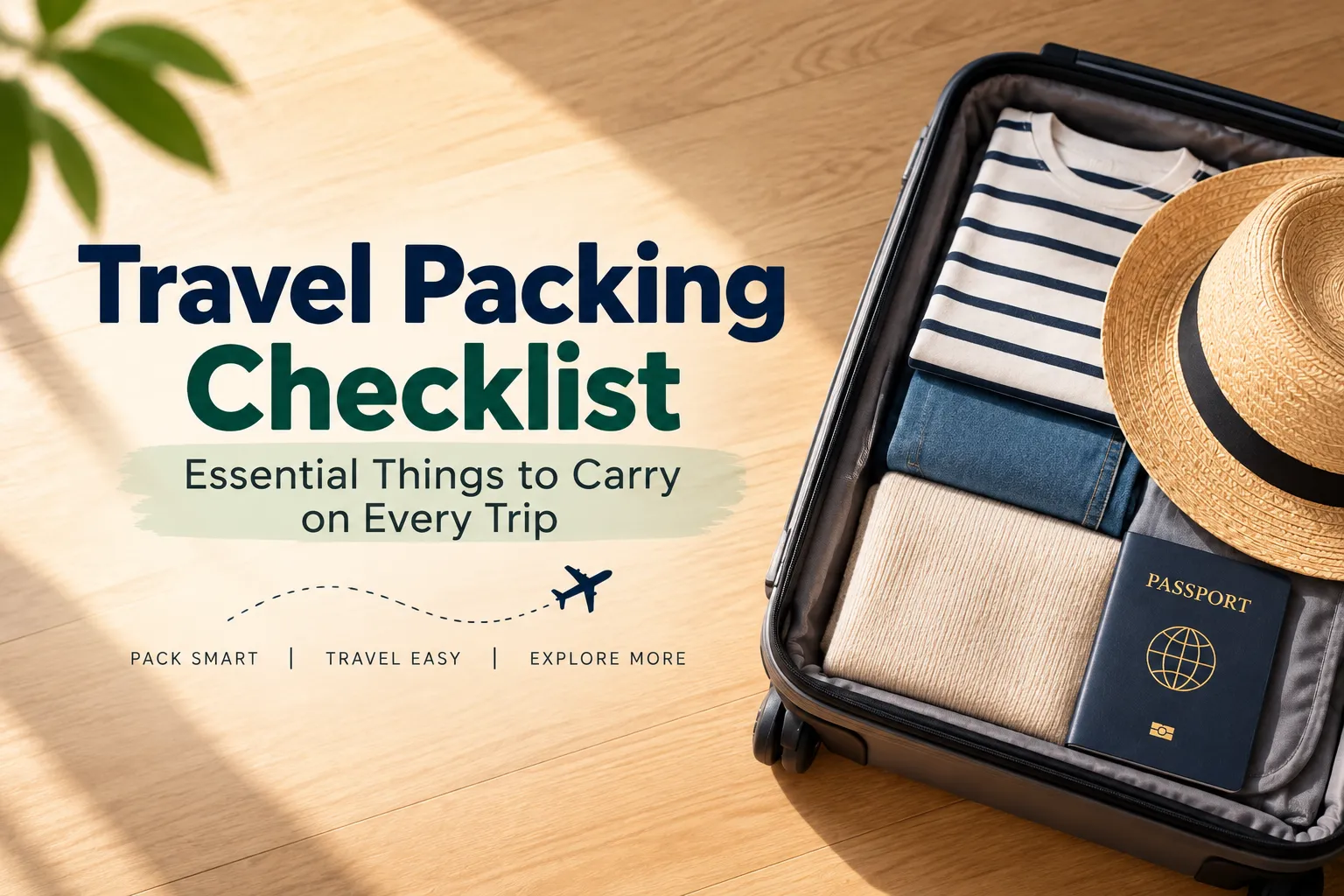
6. Pack Smart and Light
One of the best solo travel tips is to avoid bringing more than you can comfortably carry.
A basic solo travel checklist includes:
- Passport or identification
- Travel documents
- Phone and charger
- Power bank
- Comfortable shoes
- Weather-appropriate clothing
- Basic toiletries
- Necessary medications
- Small first-aid kit
- Copies of important documents
Traveling light makes airport transfers, public transportation, stairs, and hotel changes much easier when nobody else is carrying your luggage.
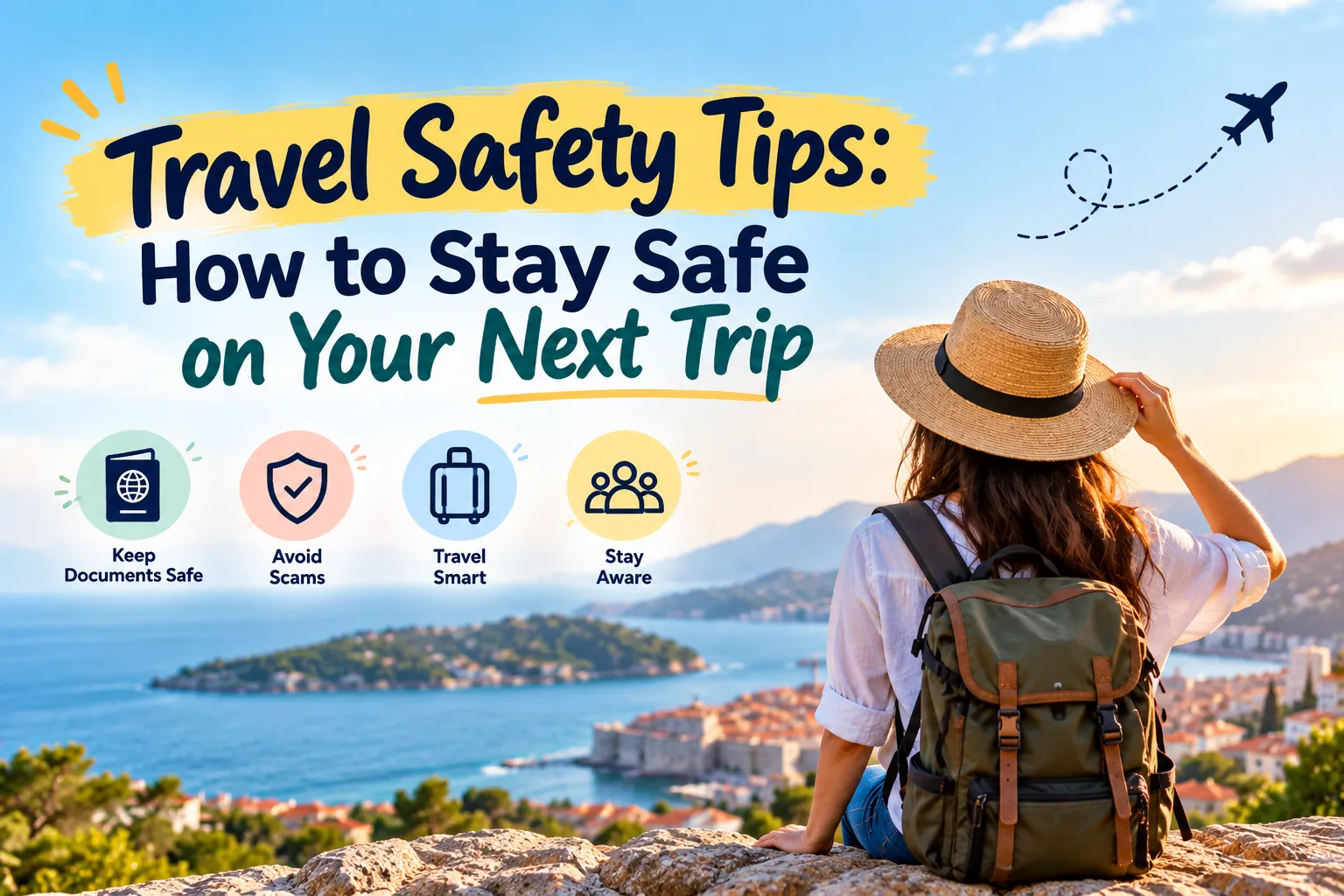
Solo Travel Safety Tips for Beginners
Safe solo travel starts with preparation rather than fear. Conditions vary between destinations, so check current official travel advisories and local guidance before leaving.
Useful precautions include:
- Share your itinerary and accommodation details with someone you trust.
- Keep important emergency contacts easily accessible.
- Avoid displaying expensive jewelry, electronics, or large amounts of cash.
- Stay aware of your surroundings, particularly in unfamiliar areas.
- Learn about local customs, laws, and common scams.
- Use reputable transportation services.
- Keep digital and physical copies of important documents.
- Trust your instincts if a situation feels uncomfortable.
- Avoid unnecessary risks when you’re tired, distracted, or unfamiliar with an area.
You don’t need to be constantly worried. The aim is simply to develop good habits that help you feel comfortable and prepared.
How to Save Money on a Solo Trip
Solo travelers don’t have to spend a fortune. In fact, you have more control over your spending because you don’t need to coordinate with a group.
Try these budget solo travel tips:
- Travel during shoulder seasons when prices may be more reasonable.
- Compare flights, trains, buses, and other transportation options.
- Choose accommodation based on overall value rather than price alone.
- Use public transportation when practical.
- Walk when the route is safe and convenient.
- Eat at local restaurants instead of relying on tourist-focused establishments.
- Look for free museums, parks, markets, walking routes, and cultural attractions.
- Book major transportation and accommodation early when doing so offers better value.
A small daily spending limit can also help you avoid using too much of your budget during the first few days.
Solo Travel Checklist
Use this checklist before leaving for your first solo trip:
| Before You Leave | What to Check |
| Passport/ID | Valid and accessible |
| Accommodation | Confirmed |
| Transportation | Booked or researched |
| Travel Insurance | Purchased if appropriate |
| Money | Cards + emergency cash |
| Phone | Roaming/eSIM/data ready |
| Maps | Offline maps downloaded |
| Emergency Contacts | Saved and shared |
Keep important information somewhere you can access it even if your phone battery dies.
Common Solo Travel Mistakes to Avoid
Even experienced travelers occasionally make mistakes, but beginners can avoid many of them with a little planning.
Watch out for:
- Overpacking: Carrying too much makes every transfer harder.
- Planning every minute: Leave room for spontaneity and rest.
- Ignoring the budget: Track spending as you go.
- Choosing accommodation only because it’s cheap: A convenient, well-reviewed location may be worth paying slightly more for.
- Not researching transportation: Know your basic routes before arrival.
- Sharing too much personal information: Be friendly without giving strangers unnecessary details about where you’re staying or your plans.
- Forgetting travel documents: Check your documents before leaving home.
- Visiting too many places: Fewer destinations often make for a more enjoyable first trip.
- Ignoring local customs: A little research can prevent awkward or disrespectful situations.
Frequently Asked Questions About Solo Travel
1. Is solo travel safe for beginners?
Solo travel can be a comfortable experience for beginners when they choose a suitable destination, research current conditions, stay aware of their surroundings, and use sensible precautions. Safety varies by destination, so check current official travel advice before departure.
2. How many days are ideal for a first solo trip?
A two- to five-day trip can be a practical starting point. It is long enough to experience traveling independently without committing to an extended journey.
3. What is the best destination for a first solo trip?
There is no single best destination for everyone. Look for a place that matches your budget, comfort level, transportation preferences, language ability, and interests. A destination that is easy for you to navigate is often a better first choice than an ambitious or complicated trip.
4. How much money should I budget for a solo trip?
Your budget depends on the destination, length of stay, transportation, accommodation, and activities. Calculate your expected costs and add an emergency buffer rather than relying on a single universal daily amount.
5. What should I pack for a solo trip?
Pack identification, travel documents, your phone and charger, a power bank, comfortable clothing and shoes, toiletries, necessary medications, and basic first-aid supplies. Keep your luggage light enough to manage comfortably by yourself.
Conclusion
Learning how to plan a solo trip is much easier when you break the process into small decisions. Choose a manageable destination, set a realistic budget, book comfortable accommodation, plan the basics of your transportation, and leave plenty of space in your schedule.
Your first solo trip does not need to be perfect. You may take a wrong turn, change your plans, discover an unexpected favorite restaurant, or decide that you need a slower day—and that’s part of the experience.
With sensible preparation, solo travel can help you become more confident, independent, and comfortable making your own decisions. Start with a trip that feels achievable, prepare thoughtfully, and take that first step toward discovering the world on your own terms.