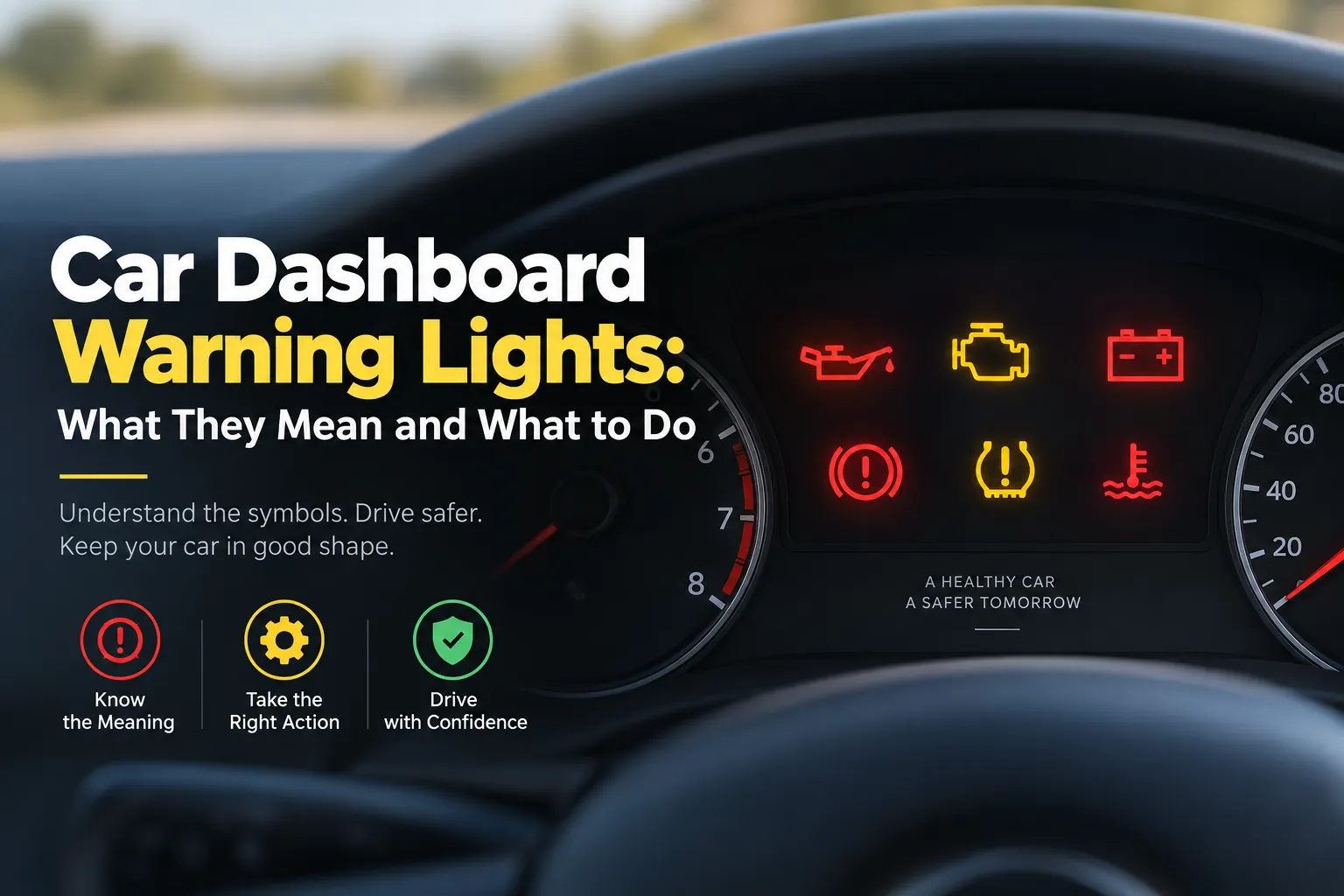
Your car’s dashboard does more than display speed and fuel levels. It also provides important information about your vehicle’s condition through warning lights and symbols.
Understanding Car Dashboard Warning Lights helps you recognize potential problems, respond safely, and avoid unnecessary repair costs. Some lights indicate minor issues, while others warn of problems that could affect braking, engine performance, or vehicle safety.
Dashboard lights generally appear in red, yellow or amber, green, and blue. Their colors offer useful clues, but the symbol itself and your vehicle’s instructions determine what action you should take.
Quick answer: Red dashboard warning lights often indicate an urgent problem that may require stopping safely. Yellow or amber lights usually signal a fault that needs attention, while green and blue indicators generally show that a vehicle feature is active. Always check your owner’s manual for the correct response to your specific warning.
What Do Different Dashboard Warning Light Colors Mean?
Red Warning Lights
Red warning lights commonly indicate serious problems or immediate safety concerns. Depending on the symbol, you may need to stop driving as soon as it is safe.
Examples include an oil pressure warning, certain brake system warnings, and engine overheating warnings.
If a red warning appears, find a safe place to stop when appropriate, switch off the engine if instructed, and consult your owner’s manual. Do not continue driving if doing so could damage the vehicle or compromise safety.
Yellow or Amber Warning Lights
Yellow or amber lights generally indicate a problem that needs attention, although the urgency varies.
Examples include the check engine light, tire pressure monitoring system (TPMS) light, and ABS warning light.
Some amber warnings allow limited, cautious driving to a suitable service location. Others require immediate attention. Check the specific instructions rather than assuming the warning is harmless.
Green or Blue Indicator Lights
Green and blue dashboard indicators usually show that a feature is operating.
For example, green arrows indicate turn signals, while a blue headlamp symbol commonly indicates high-beam headlights.
These are generally informational indicators rather than fault warnings. However, an active feature, such as high beams, may still require appropriate action based on road conditions.
Important: Dashboard warning light colors and symbols can vary between vehicle manufacturers, models, and years.
Common Car Dashboard Warning Lights and Their Meanings
The following table explains common car warning lights and symbols and how drivers should respond.
| Warning Light | What It Means | What You Should Do |
| Check engine light | The engine management or emissions system has detected a problem. | If flashing, reduce load and stop safely as soon as possible. If steady, arrange diagnosis promptly and watch for other symptoms. |
| Oil pressure warning light | Engine oil pressure may be too low to lubricate the engine properly. | Stop safely and switch off the engine. Do not continue driving until the cause is checked. |
| Battery warning light | The charging system may not be charging the battery correctly. | Turn off unnecessary electrical accessories and seek prompt assistance. Stop safely if the vehicle shows electrical or steering problems. |
| Brake warning light | The parking brake may be engaged, brake fluid may be low, or a brake system fault may exist. | Check the parking brake when safely stopped. If the light remains on or braking feels abnormal, stop and seek assistance. |
| Engine temperature warning light | The engine may be overheating. | Stop safely and switch off the engine. Allow it to cool; never open a hot coolant cap. |
| Tire pressure monitoring system (TPMS) light | One or more tires may have low pressure, or the monitoring system may have a fault. | Check tires when safe. Inflate to the recommended pressure and inspect for damage. A flashing-then-steady light may indicate a system fault. |
| ABS warning light | The anti-lock braking system has detected a fault. | Drive cautiously only if normal braking remains effective and the manual permits it. Arrange inspection promptly. |
| Airbag warning light | The airbag or supplemental restraint system may have a fault. | Arrange professional inspection promptly. Some crash-protection features may not work as intended. |
| Low fuel warning light | Fuel is running low. | Refuel as soon as practical. The remaining driving distance depends on the vehicle and conditions. |
| Seat belt reminder | A seat belt may be unfastened or a seat may be occupied without its belt secured. | Fasten seat belts before moving. Check the manual if the warning remains despite everyone being secured. |
Urgent warnings: Oil pressure, engine overheating, and brake system warnings can require stopping as soon as it is safe. A flashing check engine light also calls for prompt action. Do not assume that every warning has the same urgency.
What Should You Do When a Dashboard Warning Light Appears?
Follow these steps to respond safely when a warning light comes on.
- Stay calm and observe the light. Identify the symbol and notice whether it appeared suddenly or after starting the vehicle.
- Check its color and behavior. A flashing light can indicate a different or more urgent problem than a steady one.
- Look for other symptoms. Pay attention to unusual noises, smoke, overheating, burning smells, or changes in braking and steering.
- Stop safely if necessary. If the warning suggests a serious problem, pull over when safe, activate your hazard lights if appropriate, and switch off the engine when instructed.
- Consult your owner’s manual. Look up the exact symbol and follow the recommended procedure for your vehicle.
- Get professional assistance. Contact roadside assistance or a qualified mechanic if the problem is serious, unclear, or unsafe to investigate yourself.
A flashing check engine light, oil pressure warning, or engine overheating warning deserves particular attention. Continuing to drive may cause serious engine damage or create a safety risk.
Never touch hot engine components or open a hot radiator or coolant reservoir cap.
Can You Drive With a Dashboard Warning Light On?
It depends on the warning and your vehicle’s condition.
- Stop as soon as it is safe: Oil pressure warnings, engine overheating warnings, and brake warnings accompanied by abnormal braking may require you to stop driving.
- Seek prompt diagnosis: A steady check engine light or ABS warning may permit cautious driving in some circumstances, but only if the vehicle behaves normally and its manual allows it.
- Do not ignore amber warnings: They may indicate developing faults that could worsen or affect emissions, performance, or safety.
- Follow vehicle-specific instructions: The owner’s manual explains whether to stop, continue cautiously, or arrange immediate assistance.
If you are unsure whether the car is safe to drive, stop somewhere safe and seek professional advice rather than taking a risk.
Common Mistakes Drivers Should Avoid
Even experienced drivers sometimes misunderstand dashboard warning lights. Avoid these common mistakes:
- Ignoring a warning because the car still feels normal.
- Assuming every yellow light is harmless or every red light means the same thing.
- Continuing to drive with an oil pressure or overheating warning.
- Resetting a warning light without identifying and addressing its cause.
- Guessing a symbol’s meaning instead of checking the owner’s manual.
A warning light going out does not necessarily mean the underlying problem has disappeared.
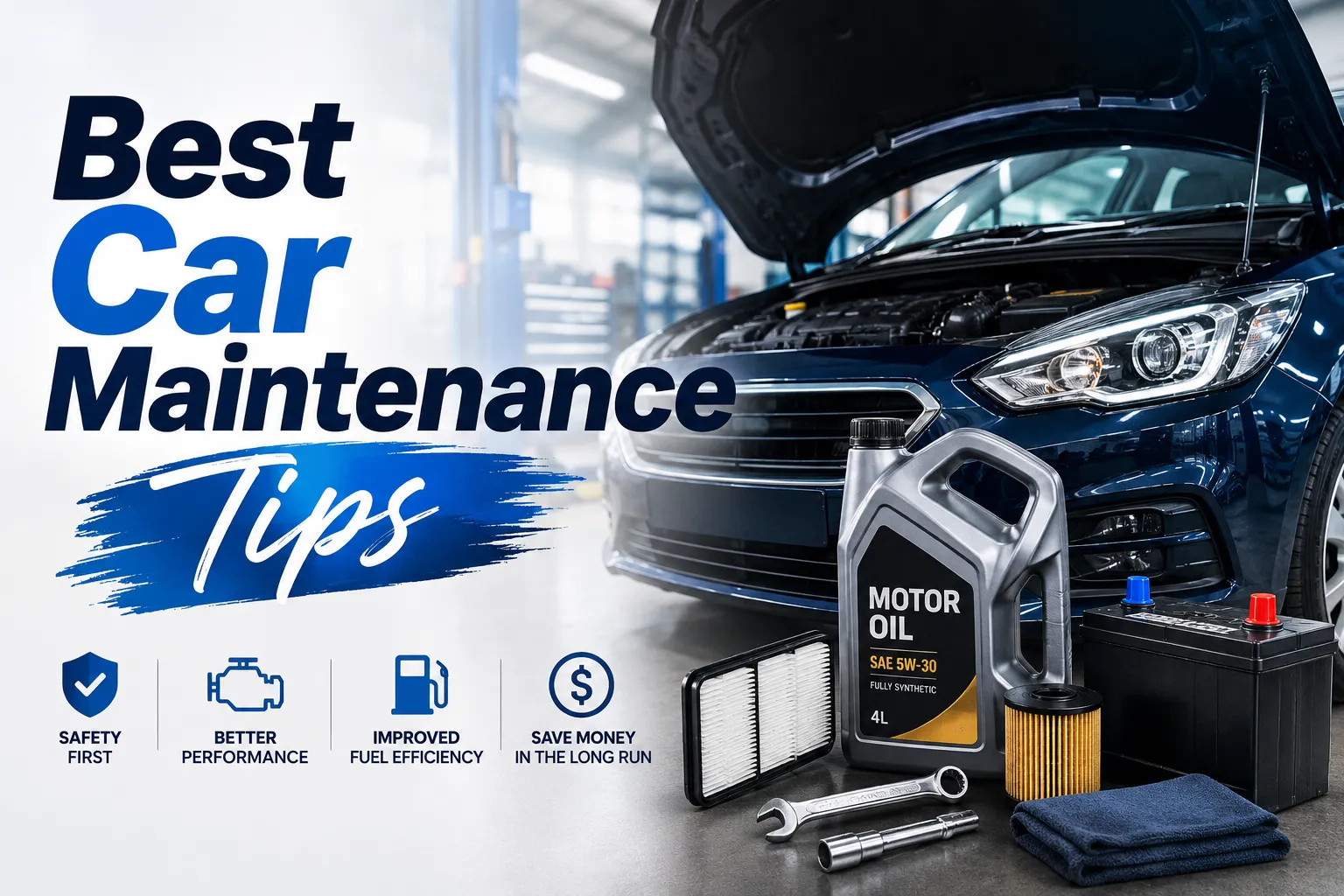
How to Prevent Dashboard Warning Lights
Some dashboard warnings can be avoided through regular maintenance, although not every fault is preventable.
Follow these practical car maintenance tips:
- Follow the manufacturer’s service schedule. Keep up with recommended inspections and servicing.
- Check engine oil and other fluids regularly. Use the correct fluids and follow the manufacturer’s checking instructions.
- Maintain correct tire pressure. Check tire pressures when the tires are cold and use the recommended figures listed in your manual or vehicle placard.
- Inspect the battery and charging system. Have the battery, terminals, and charging system checked when needed.
- Address unusual noises and performance changes early. Delaying inspection can allow some problems to become more serious.
Good maintenance supports safer, more reliable driving, but it cannot prevent every warning light. Sensors, electrical components, and other systems can develop faults unexpectedly.
Frequently Asked Questions
1. What is the most serious dashboard warning light?
There is no single answer for every vehicle. Oil pressure, brake system, and engine overheating warnings can indicate urgent problems that require stopping safely. A flashing check engine light can also signal a serious engine-related issue.
2. What does a yellow dashboard warning light mean?
A yellow or amber light usually indicates a fault or condition requiring attention. The urgency depends on the symbol, the vehicle, and any accompanying symptoms. Check your owner’s manual.
3. Can I drive with the check engine light on?
A steady check engine light may allow cautious driving in some situations, but you should arrange diagnosis promptly. A flashing light can indicate a more urgent problem, so reduce engine load and stop safely as soon as possible. Follow your vehicle’s instructions.
4. Why do dashboard warning lights come on after starting a car?
Many vehicles perform a system self-check when the ignition is switched on. Several warning lights may briefly illuminate and then go out. If a light stays on or behaves unexpectedly, consult the owner’s manual.
5. Will a dashboard warning light disappear on its own?
Some temporary warnings may clear when a condition changes. However, a light disappearing does not prove the underlying issue has been fixed. Follow the manual’s guidance and arrange inspection if needed.
Conclusion
Understanding car dashboard warning lights helps you recognize potential problems and make informed decisions behind the wheel. Knowing which warnings require you to stop, which need prompt servicing, and which simply indicate an active feature can help you respond appropriately.
If an unfamiliar symbol appears, check your owner’s manual rather than guessing. When a warning indicates a serious fault or you are unsure whether the vehicle is safe to drive, stop safely and seek professional assistance.