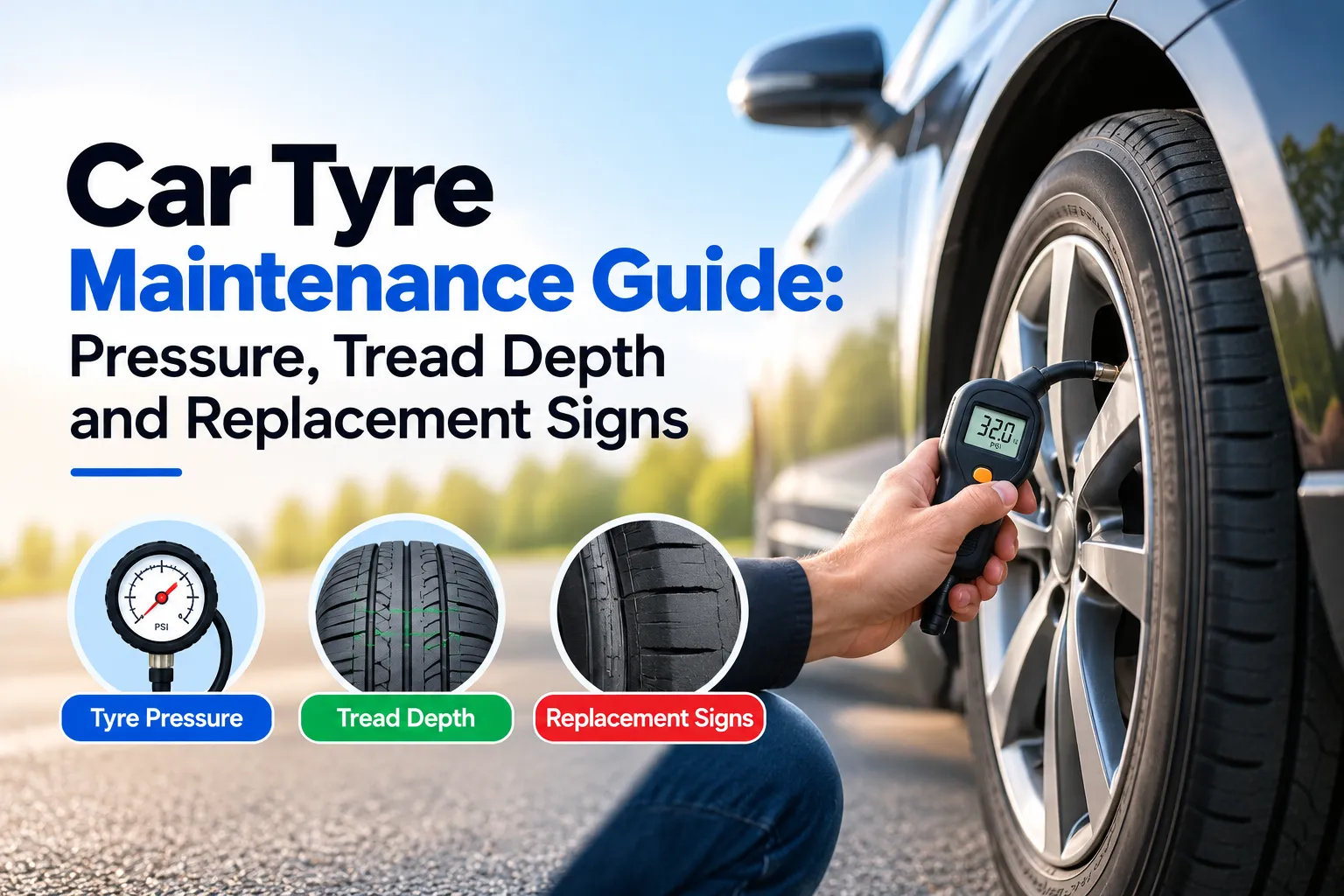
Your car tyres play a vital role in road safety, braking, handling, and fuel efficiency. However, many drivers overlook tyre maintenance until they notice a warning light, unusual vibration, or visible damage.
This Car Tyre Maintenance Guide explains how to check tyre pressure, inspect tread depth, recognize replacement signs, and use modern automotive technology to monitor tyre condition. With a few simple checks, you can identify common problems early and help your tyres perform as intended.
Why Car Tyre Maintenance Matters
Tyres provide the contact between your vehicle and the road. Their condition directly affects how your car accelerates, turns, and stops.
Regular maintenance offers several benefits:
- Better grip and braking: Proper inflation and adequate tread help tyres maintain contact with the road, particularly in wet conditions.
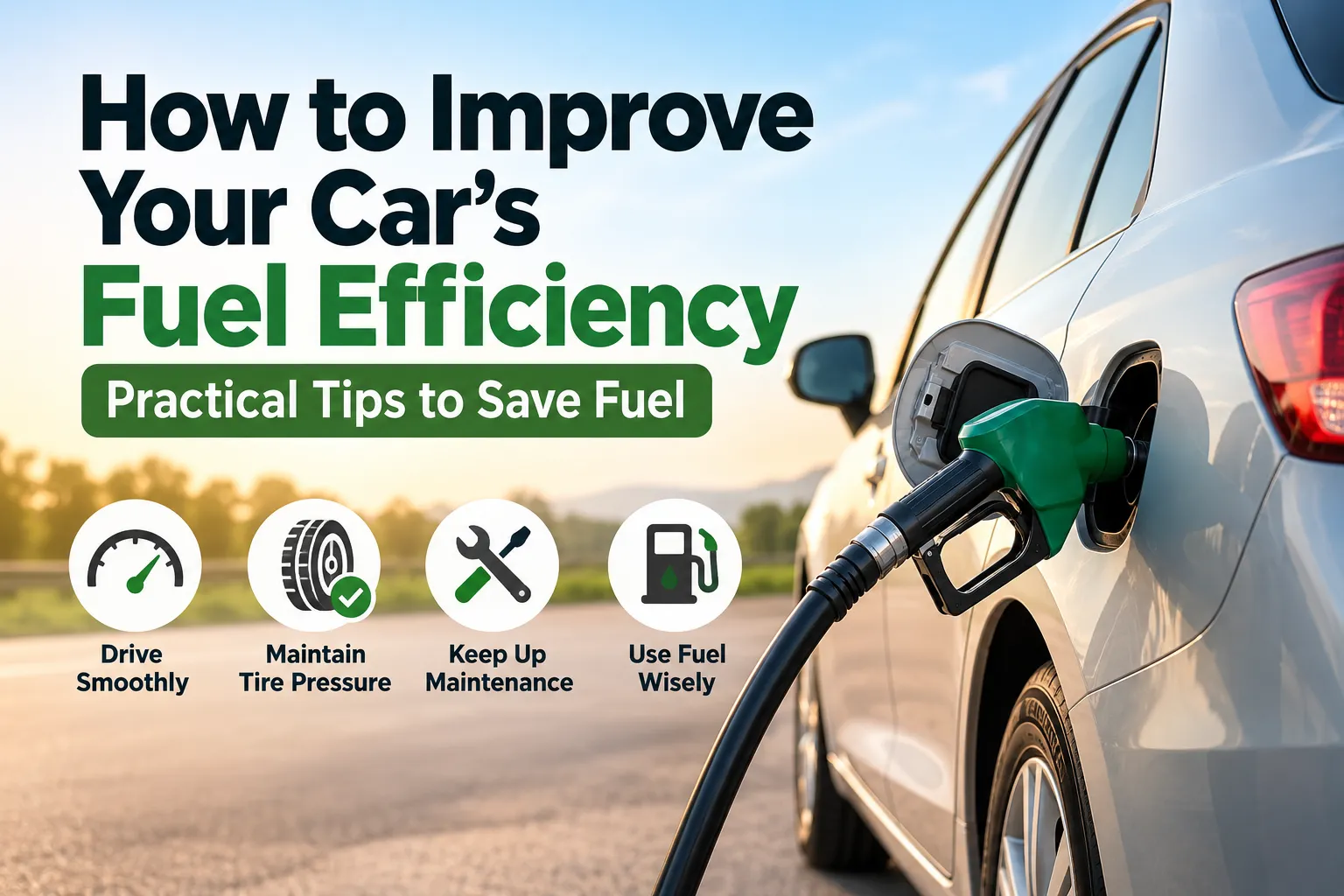
- Improved fuel efficiency: Underinflated tyres increase rolling resistance, which can make your engine work harder.
- Better stability and comfort: Correct pressure supports predictable handling and helps maintain the vehicle’s intended ride characteristics.
- Longer tyre life: Regular inspections and correct inflation can reduce uneven wear and help prevent premature replacement.
Tyre maintenance also helps you spot damage before it develops into a more serious safety concern.
How to Check the Correct Car Tyre Pressure
Correct car tyre pressure helps maintain handling, braking performance, and tyre durability. Both underinflation and overinflation can cause problems, so follow your vehicle manufacturer’s recommendations.
1. Find the Recommended Pressure
Check the owner’s manual or the tyre-pressure label, often located on the driver’s door frame, door pillar, or fuel-filler flap.
The recommended pressure may differ between the front and rear tyres or depending on the vehicle’s load.
Do not use the maximum pressure printed on the tyre sidewall as your normal inflation target. That figure relates to the tyre’s specified maximum pressure, not necessarily the pressure your vehicle requires.
2. Check Pressure When the Tyres Are Cold
Use a reliable tyre pressure gauge when the tyres have not been driven on recently. Driving heats the tyres and can temporarily increase pressure readings.
If you must check pressure after driving, follow the vehicle manufacturer’s guidance rather than releasing air simply to reach the cold-pressure specification.
3. Adjust and Recheck
Compare the gauge reading with the recommended pressure. Add air or release air as appropriate, then measure again.
Check all four tyres, including the spare if your vehicle has one.
4. Consider Temperature Changes
Tyre pressure generally decreases as temperatures fall and increases as temperatures rise. Check pressure more frequently during significant seasonal temperature changes and before long journeys.
Understanding Tyre Tread Depth
Tyre tread depth measures the depth of the grooves in a tyre’s surface. These grooves help channel water away from the contact area, supporting grip and reducing the risk of losing traction on wet roads.
As tread wears down, a tyre becomes less effective at managing water, particularly during heavy rain.
How to Inspect Tyre Tread
- Check the wear indicators: Small raised bars inside the tread grooves show when the tread has reached the tyre’s built-in wear indicators.
- Use a tread-depth gauge: This tool measures the remaining tread more precisely than a visual inspection.
- Inspect several areas: Check the inner, middle, and outer sections of each tyre for uneven wear.
- Follow local regulations: Minimum legal tread depth varies by country and vehicle category. Check the rules that apply to your vehicle.
Uneven tread wear may indicate incorrect inflation, wheel alignment problems, suspension issues, or other mechanical faults. Ask a qualified tyre professional to investigate unusual patterns.
Signs Your Car Tyres Need Replacement
Recognizing the signs of tyre replacement can help you address safety problems before they become more serious.
Replace a tyre when it reaches the applicable wear limit or when a qualified professional determines that damage makes it unsafe.
Watch for these warning signs:
- Worn tread: The tread has reached the applicable legal or manufacturer-specified replacement limit.
- Cracks or cuts: Visible damage, especially on the sidewall, may indicate deterioration or structural problems.
- Bulges or blisters: A bulge can indicate internal structural damage. Arrange prompt professional inspection and do not continue driving on a visibly unsafe tyre.
- Exposed cords: Visible reinforcement material indicates serious damage. Do not drive on the tyre.
- Repeated pressure loss: Frequent deflation may indicate a puncture, damaged valve, or leak that requires inspection.
- Uneven wear: One edge may wear faster than the other, suggesting alignment, inflation, or suspension problems.
- Persistent vibration: Unusual vibration or handling changes may indicate tyre damage, imbalance, or another vehicle fault.
- Age-related deterioration: Rubber can deteriorate even when tread remains. Follow the tyre and vehicle manufacturers’ age-related inspection and replacement guidance.
Never rely on tread depth alone to judge a tyre’s condition. A tyre with adequate tread may still be unsafe because of damage or deterioration.
How Modern Technology Helps Maintain Tyres
Automotive technology gives drivers additional ways to monitor tyre condition.
Tyre Pressure Monitoring System (TPMS)
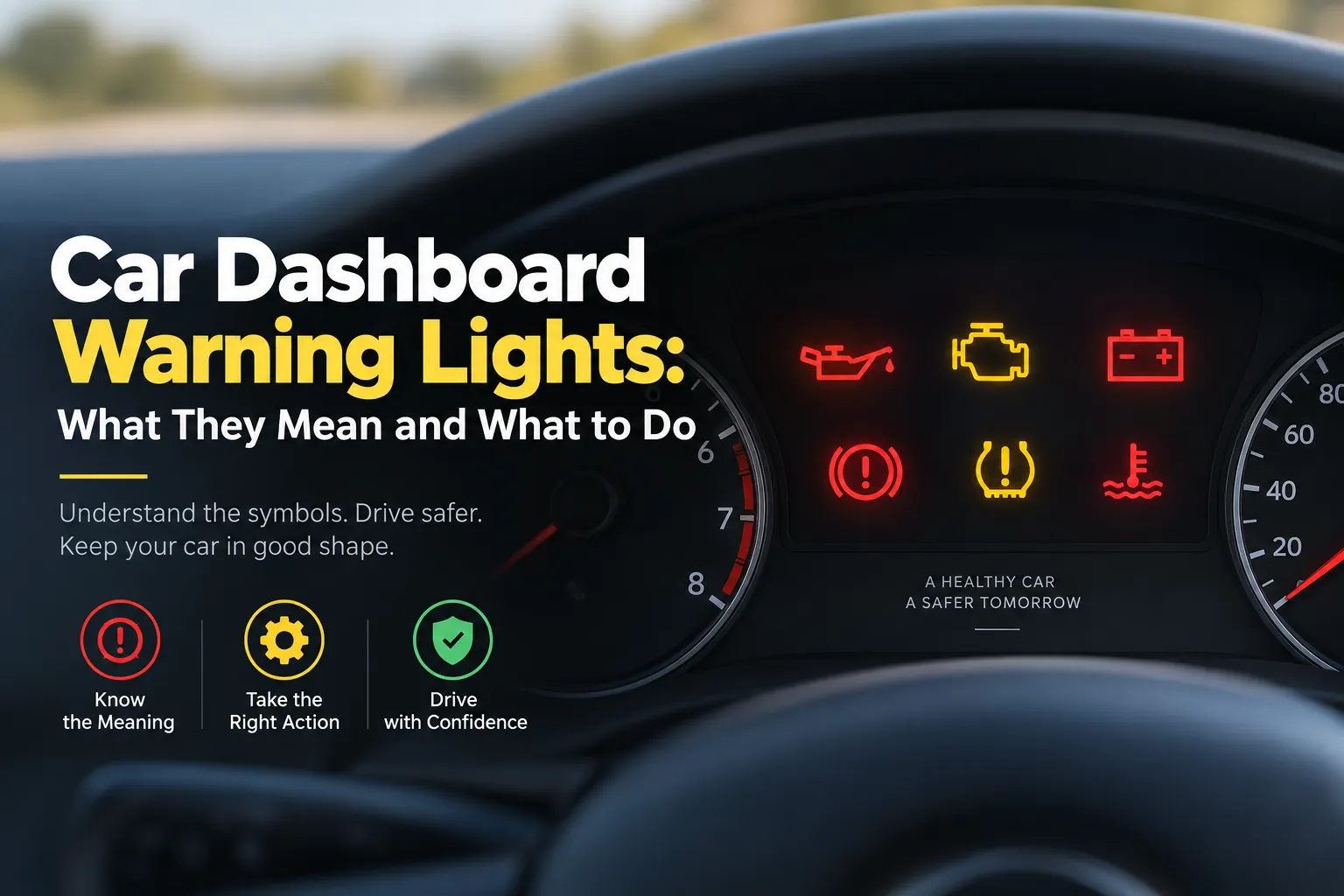
A Tyre Pressure Monitoring System (TPMS) alerts the driver when tyre pressure falls outside the system’s specified range.
Two common types exist:
- Direct TPMS: Sensors measure tyre pressure directly, usually inside the wheel assembly.
- Indirect TPMS: The system uses wheel-speed information and other vehicle data to identify patterns that may indicate underinflation.
Some systems display individual tyre pressures, while others provide only a warning. Features vary by vehicle.
Digital pressure gauges and tread-depth gauges can also help drivers perform routine checks. However, electronic warnings do not replace regular pressure measurements and visual inspections. A TPMS may not detect every puncture, structural defect, or tread problem.
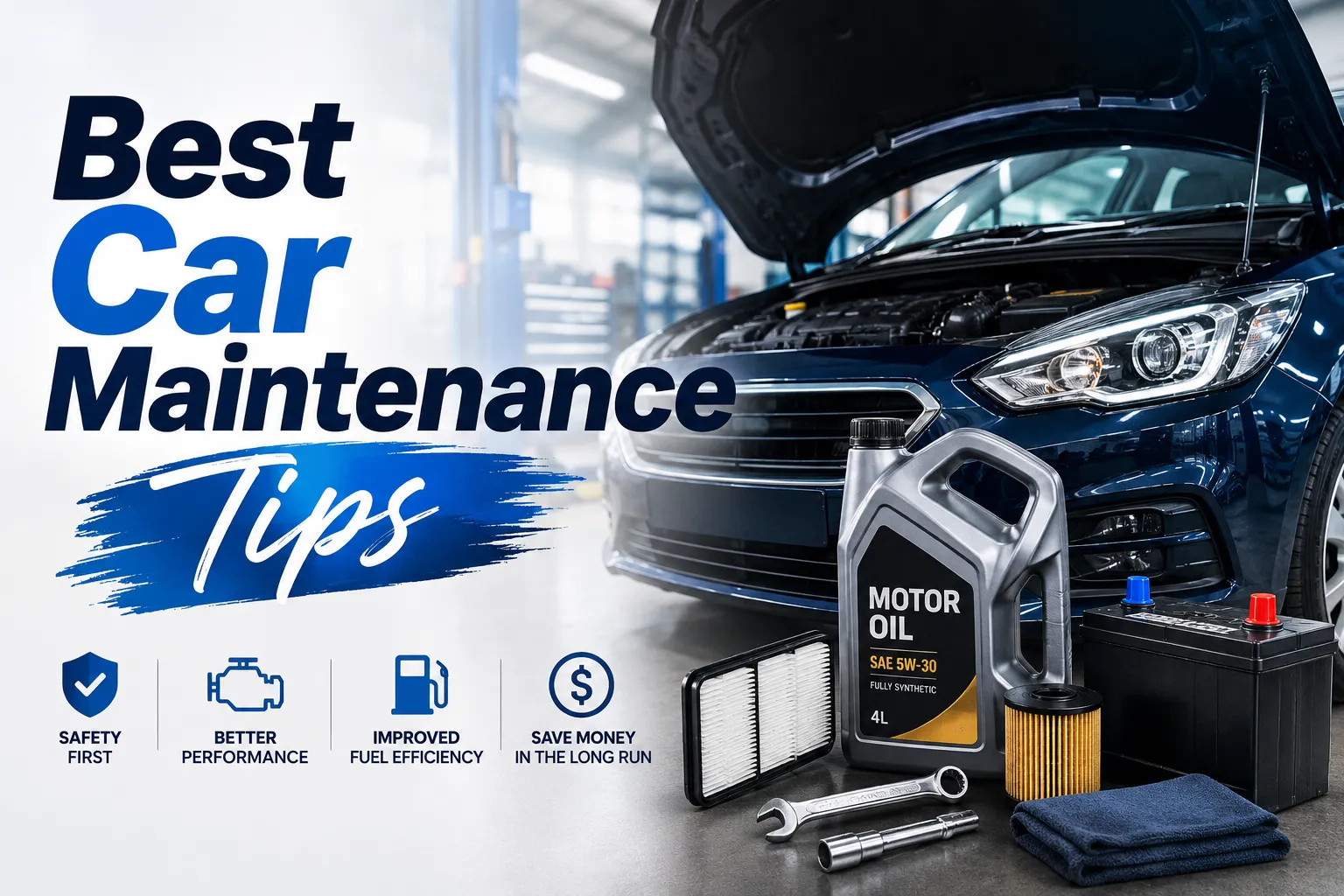
Simple Car Tyre Maintenance Checklist
Use this checklist as a starting point for your routine inspections.
| Maintenance Task | Recommended Frequency | Why It Matters |
| Check tyre pressure | At least monthly and before long trips | Helps maintain correct inflation |
| Inspect tread and sidewalls | Regularly, such as monthly | Identifies wear and damage |
| Check for uneven wear | During routine inspections | May reveal alignment or suspension issues |
| Rotate tyres | According to the vehicle manual | Helps promote even wear |
| Check TPMS warnings | Whenever a warning appears | Helps identify pressure problems |
Your owner’s manual takes priority when it specifies different inspection or service intervals.
Frequently Asked Questions
1. How often should I check my car tyre pressure?
Check tyre pressure at least once a month and before long journeys. Measure it when the tyres are cold and follow the vehicle manufacturer’s specifications.
2. What is the minimum safe tyre tread depth?
The legal minimum varies by country and vehicle category. Check your local regulations and the tyre manufacturer’s guidance. Replace tyres before they become unsafe, even if they still meet the legal minimum.
3. How can I tell if my tyres need replacing?
Look for worn tread, cracks, cuts, bulges, exposed cords, persistent pressure loss, uneven wear, and age-related deterioration. Have a qualified tyre professional inspect questionable damage.
4. Can incorrect tyre pressure affect fuel efficiency?
Yes. Underinflated tyres increase rolling resistance, which can increase fuel consumption. Incorrect pressure can also affect handling, wear, and braking performance.
5. Is a TPMS warning enough to maintain tyre safety?
No. TPMS helps identify certain pressure problems, but it cannot detect every form of tyre damage. Check pressure manually and inspect the tread and sidewalls regularly.
Conclusion
This Car Tyre Maintenance Guide highlights three essential habits: maintaining the correct pressure, checking tread depth, and recognizing signs that your tyres need replacement.
Regular inspections can help improve grip, support predictable handling, reduce unnecessary tyre wear, and identify potential problems early. Modern tools such as TPMS add another layer of awareness, but drivers still need to inspect their tyres and respond to warning signs.
Make tyre checks part of your regular vehicle maintenance routine. If you notice a bulge, exposed cords, serious cuts, or persistent pressure loss, seek professional advice promptly.
Safety disclaimer: This article provides general maintenance guidance and does not replace professional inspection or vehicle-specific instructions. Always consult your owner’s manual, tyre manufacturer’s recommendations, and applicable local road regulations.