
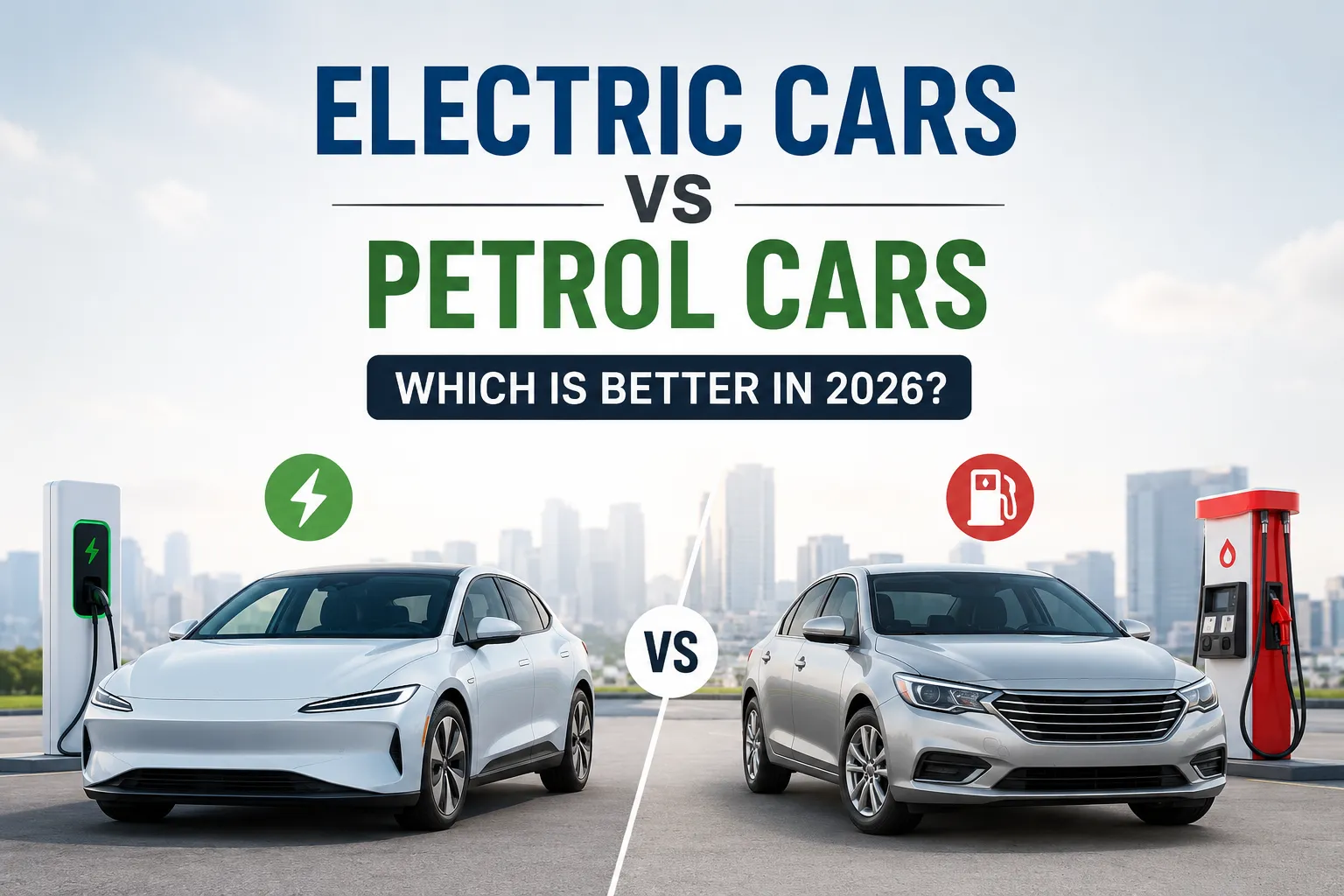
Choosing a new vehicle has become more complicated than ever. With rising fuel prices, better battery technology, expanding EV charging networks, and increasing environmental awareness, many buyers are asking the same question: Electric Cars vs Petrol Cars—which is the better choice in 2026?
Electric cars in 2026 are more practical than they were just a few years ago. Many offer longer driving ranges, faster charging, and lower running costs. At the same time, petrol cars continue to be a dependable option thanks to their widespread availability, quick refueling, and established service network.
This guide provides an unbiased electric vehicle comparison to help first-time buyers, commuters, families, and enthusiasts choose the right vehicle based on their needs, budget, and driving habits.
What Is an Electric Car?
An electric car is powered entirely by one or more rechargeable batteries instead of a petrol engine. Electricity stored in the battery powers an electric motor that drives the wheels.
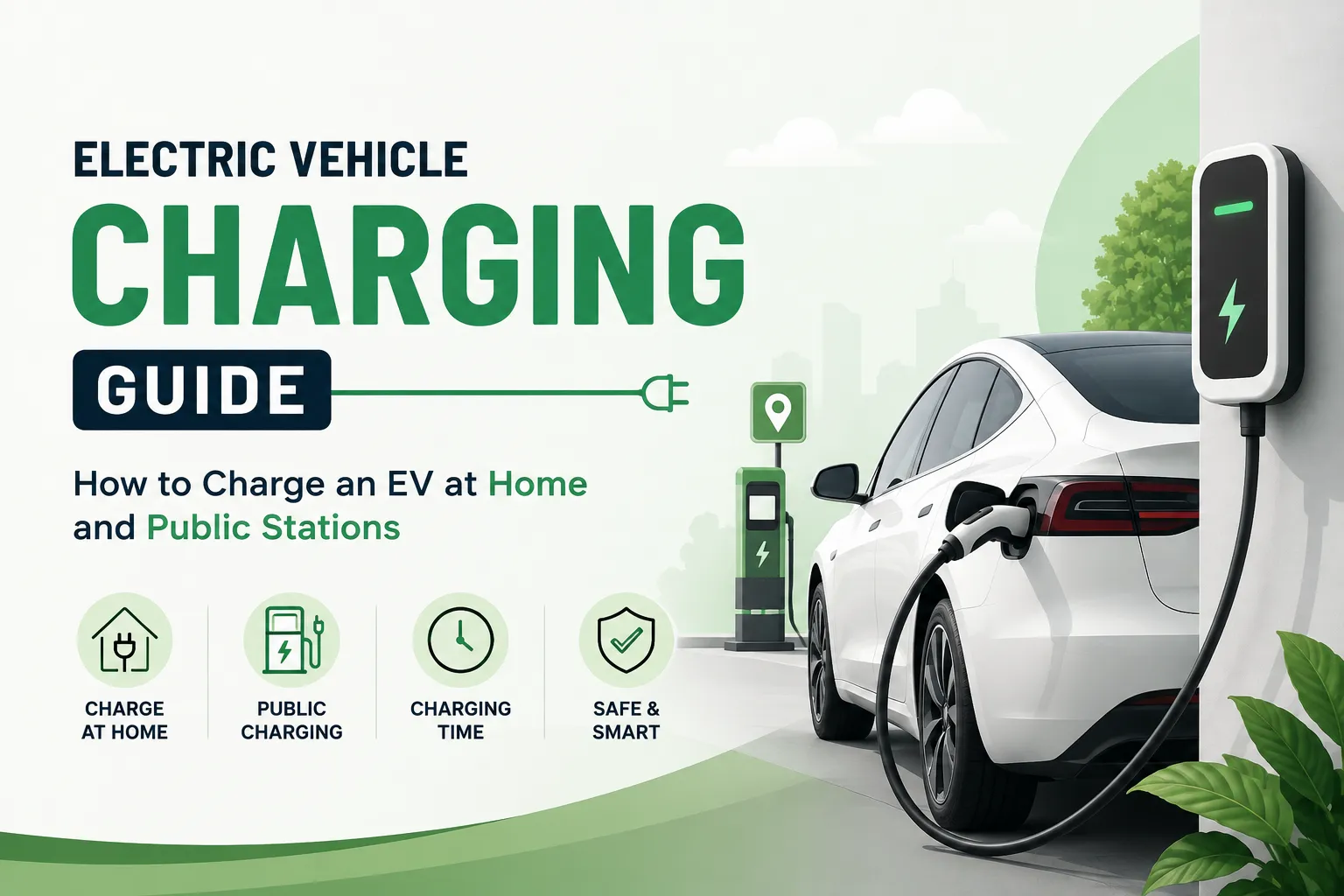
Most EVs can be charged using:
- Home wall chargers
- Public AC charging stations
- Fast DC charging stations
Another important feature is regenerative braking, which converts energy normally lost during braking into electricity and sends it back to the battery. This improves efficiency and slightly extends driving range.
Modern electric cars also offer smooth acceleration, quiet operation, and fewer moving parts than traditional vehicles.
What Is a Petrol Car?
A petrol car uses an internal combustion engine (ICE) that burns gasoline to generate power. This technology has been refined over decades and remains the most common vehicle type worldwide.
Petrol cars benefit from:
- Extensive fuel station networks
- Familiar maintenance procedures
- Wide model availability
- Fast refueling
Although petrol vehicles produce tailpipe emissions, they continue to be a practical option for many drivers, particularly those who travel long distances or live in areas with limited EV charging.
Electric Cars vs Petrol Cars Comparison
| Feature | Electric Cars | Petrol Cars |
| Purchase Price | Higher upfront cost | Usually lower purchase price |
| Running Cost | Lower electricity cost | Higher fuel expenses |
| Maintenance | Fewer moving parts, lower maintenance | Regular engine servicing required |
| Fuel/Charging Cost | Generally cheaper | Depends on fuel prices |
| Performance | Instant torque and quick acceleration | Smooth, familiar driving feel |
| Driving Experience | Quiet and refined | Engine sound and traditional feel |
| Environmental Impact | Zero tailpipe emissions | Produces CO₂ and exhaust emissions |
| Range | Improving rapidly; varies by model | Typically longer between refueling |
| Refueling/Charging Time | 20 minutes to several hours | Usually 3–5 minutes |
| Availability | Growing rapidly | Available almost everywhere |
| Government Incentives | Available in many regions | Limited incentives |
| Resale Value | Improving as EV adoption grows | Stable but varies by demand |
Advantages of Electric Cars
Electric vehicles offer several compelling benefits.
Lower Running Costs
Electricity generally costs less than petrol, making daily commuting more affordable.
Less Maintenance
Since EVs have fewer mechanical components, they typically require:
- No oil changes
- Less brake wear
- Fewer engine-related repairs
This reduces overall electric car maintenance costs.
Zero Tailpipe Emissions
Electric vehicles produce no direct exhaust emissions, making them an important part of sustainable transportation.
Quiet Driving
Without a combustion engine, EVs deliver a peaceful driving experience with minimal vibration.
Instant Torque
Electric motors provide maximum power instantly, resulting in smooth and responsive acceleration.
Government Incentives
Many countries continue offering tax credits, purchase incentives, or reduced registration fees to encourage EV adoption.
Convenient Home Charging
Many owners simply plug in their vehicle overnight and start each day with a full battery, reducing visits to fuel stations.
Advantages of Petrol Cars
Petrol vehicles continue to offer important advantages.
Lower Initial Purchase Price
Many petrol cars remain more affordable upfront than comparable EVs.
Faster Refueling
Refilling a fuel tank takes only a few minutes, making road trips more convenient.
Longer Driving Range
Many petrol cars can travel longer distances before needing another refill.
Better Rural Availability
Fuel stations remain more common than public EV charging stations in many remote regions.
More Service Centers
Qualified mechanics and replacement parts are widely available almost everywhere.
Proven Reliability
Decades of development have made petrol engines dependable when properly maintained.
Cost Comparison in 2026
| Expense | Electric Car | Petrol Car |
| Purchase Cost | Higher | Lower |
| Fuel/Electricity | Lower | Higher |
| Annual Maintenance | Lower | Higher |
| Service Cost | Generally lower | Regular servicing required |
| Insurance | Often slightly higher, depending on model | Usually moderate |
| Long-Term Ownership Cost | Lower for many drivers | Higher due to fuel and maintenance |
Although the cost of owning an electric car is often higher initially, lower operating expenses can help offset the purchase price over several years.
Which Car Is Better for Different Types of Drivers?
- City commuters: Electric cars are often the best car for daily driving due to lower operating costs and easy home charging.
- Highway travelers: Petrol cars remain better suited for frequent long-distance travel.
- Families: Both options work well depending on space, charging access, and travel habits.
- Budget buyers: Petrol cars typically cost less upfront.
- Eco-conscious buyers: EVs offer lower emissions and support cleaner transportation.
- Business users: High-mileage drivers may benefit significantly from reduced electricity costs.
Things to Consider Before Buying
Before deciding between an EV vs petrol car, ask yourself:
- How far do you drive each day?
- Can you install a home charger?
- What is your total vehicle budget?
- What are the expected maintenance costs?
- How important is resale value?
- Is charging infrastructure available in your area?
- Are government incentives available where you live?
Answering these questions will help narrow your options.
Pros and Cons
| Electric Cars | Petrol Cars |
| Lower running costs | Lower purchase price |
| Less maintenance | Quick refueling |
| Quiet driving | Longer range |
| Zero tailpipe emissions | Extensive fuel network |
| Instant acceleration | Easier rural travel |
| Charging takes longer | Higher fuel costs |
| Higher upfront cost | More maintenance |
| Charging availability varies | Produces emissions |
Read About: Best Car Maintenance Tips: Complete Guide for Every Car Owner
Frequently Asked Questions
1. Are electric cars cheaper to maintain?
Yes. Electric cars usually require fewer routine maintenance tasks because they have fewer moving parts and no engine oil.
2. Which is better for long-distance travel?
Petrol cars remain more convenient for long trips because refueling is faster and fuel stations are widely available.
3. Are electric cars worth buying in 2026?
For many city drivers and daily commuters, yes. Lower operating costs and improved charging infrastructure make them increasingly attractive.
4. How long do EV batteries last?
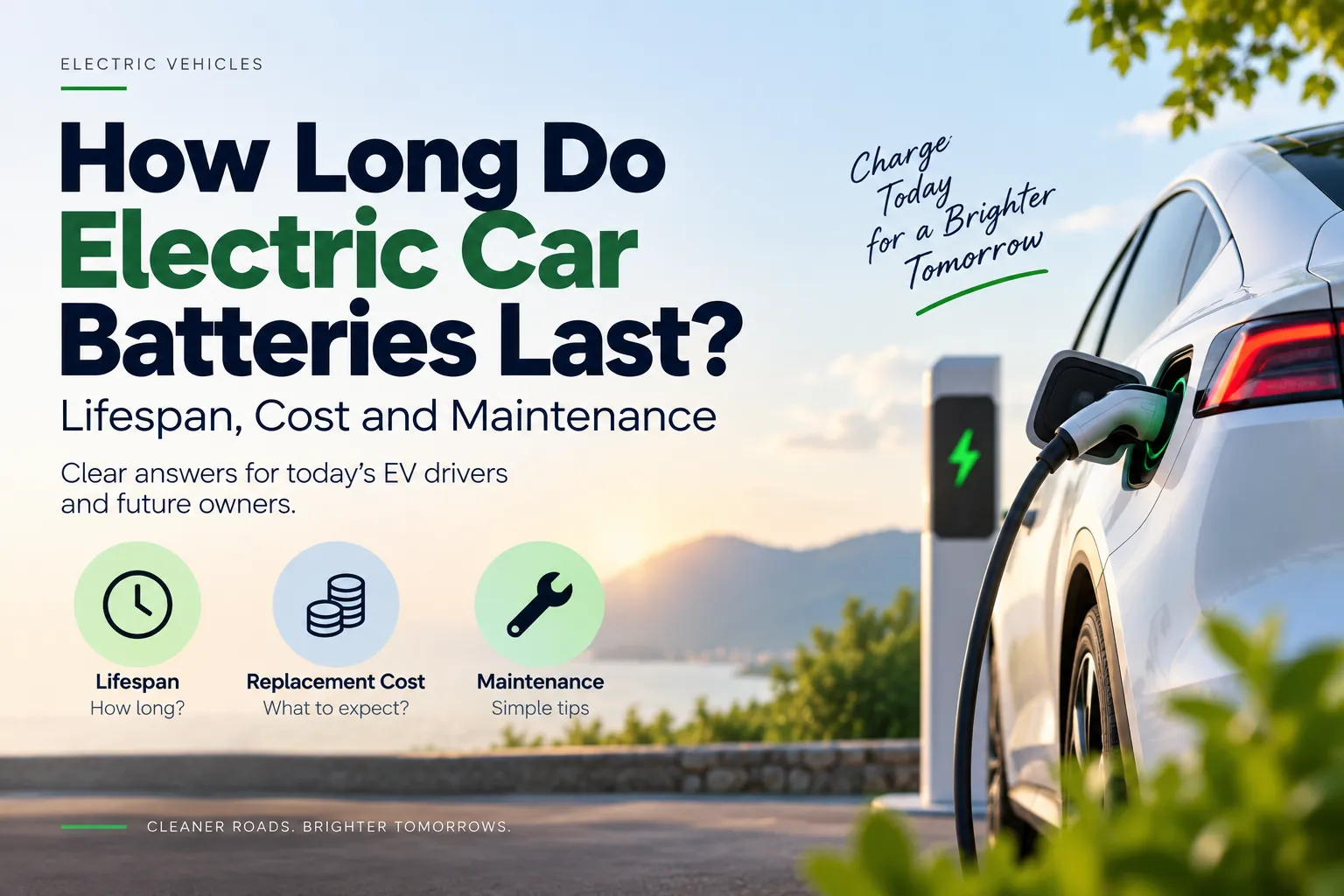
Most modern EV batteries are designed to last 8–15 years or well over 160,000 km, depending on usage and manufacturer warranties.
5. Is charging cheaper than petrol?
In many regions, yes. Electricity generally costs less per kilometer than petrol, although local energy prices vary.
6. Do electric cars require less servicing?
Yes. EVs eliminate many routine engine maintenance tasks, reducing service frequency and costs.
7. Which car has better resale value?
Resale values depend on local market demand, battery condition, brand reputation, and government policies. Well-maintained examples of both vehicle types can retain value effectively.
8. Should I buy an electric or petrol car in 2026?
Choose an electric vehicle if you mainly drive in cities, have reliable charging access, and want lower running costs. Choose a petrol car if you frequently travel long distances or live where charging infrastructure is limited.
Conclusion
When comparing Electric Cars vs Petrol Cars in 2026, there is no universal winner. Both technologies offer distinct strengths depending on how and where you drive.
Electric cars are becoming an excellent choice for urban commuters thanks to lower running costs, quieter operation, reduced maintenance, and growing charging networks. Petrol cars, however, continue to deliver convenience through quick refueling, longer uninterrupted driving ranges, and extensive service support.
Ultimately, which car is better in 2026 depends on your daily driving distance, budget, access to charging, and long-term ownership goals. Evaluating your lifestyle instead of following market trends will help you choose the vehicle that delivers the greatest value for years to come.