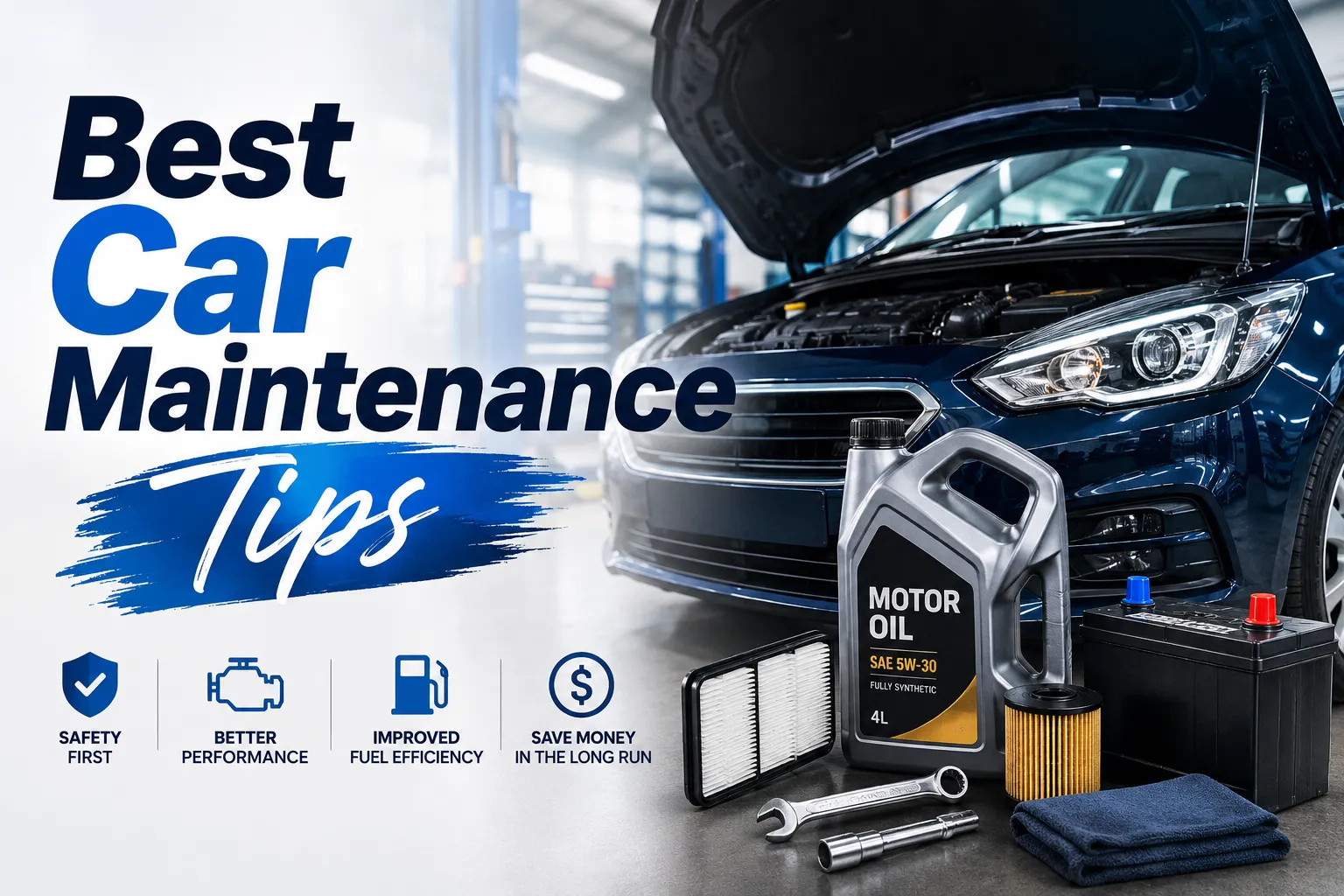
A car is one of the most significant investments you’ll make in your lifetime, and if you own one, you want to maintain it as much as possible. Whether you’re purchasing your first vehicle or rely on your automobile daily, these essential car maintenance tips will help you protect your investment from premature wear and tear and save a bundle of money in car repairs.
In most cases drivers will turn a blind eye to the small items of maintenance until they develop a significant problem. However the problems with your car can cost an arm and a leg when they go from minor to massive problems. In most cases, you will realize that taking your vehicle in for preventative car maintenance not only helps the condition of your car but also leads to safer driving conditions.
This comprehensive auto maintenance guide will teach you the many practical tips for maintaining a vehicle in this easy-to-understand guide which are considered an essential for every car driver.
Why Car Maintenance Is Important
Regular maintenance offers several long-term benefits:
Improved Safety
Well-maintained brakes, tires, lights, and steering components help reduce the risk of accidents.
Better Fuel Efficiency
A properly serviced vehicle consumes less fuel and performs more efficiently.
Longer Vehicle Lifespan
Routine maintenance prevents excessive wear and tear on critical components.
Higher Resale Value
A car with a documented maintenance history often commands a higher resale price.
Reduced Repair Costs
Preventive maintenance helps identify problems early before they become expensive repairs.
Essential Car Maintenance Checklist
| Maintenance Task | Frequency | Importance |
| Engine Oil Change | Every 5,000–10,000 km | Protects engine components |
| Tire Pressure Check | Monthly | Improves safety and fuel economy |
| Brake Inspection | Every 10,000 km | Ensures safe stopping power |
| Battery Inspection | Every 6 months | Prevents unexpected breakdowns |
| Coolant Check | Monthly | Prevents overheating |
| Air Filter Replacement | Every 15,000–20,000 km | Improves engine performance |
| Windshield Washer Fluid Refill | As needed | Maintains visibility |
Best Car Maintenance Tips Every Driver Should Follow
Change Engine Oil Regularly
Engine oil lubricates moving parts, reduces friction, and prevents overheating.
Recommended intervals:
- Every 5,000–10,000 km
- Follow manufacturer recommendations
Signs your oil needs changing:
- Dark, dirty oil
- Engine noise
- Oil warning light
- Reduced performance
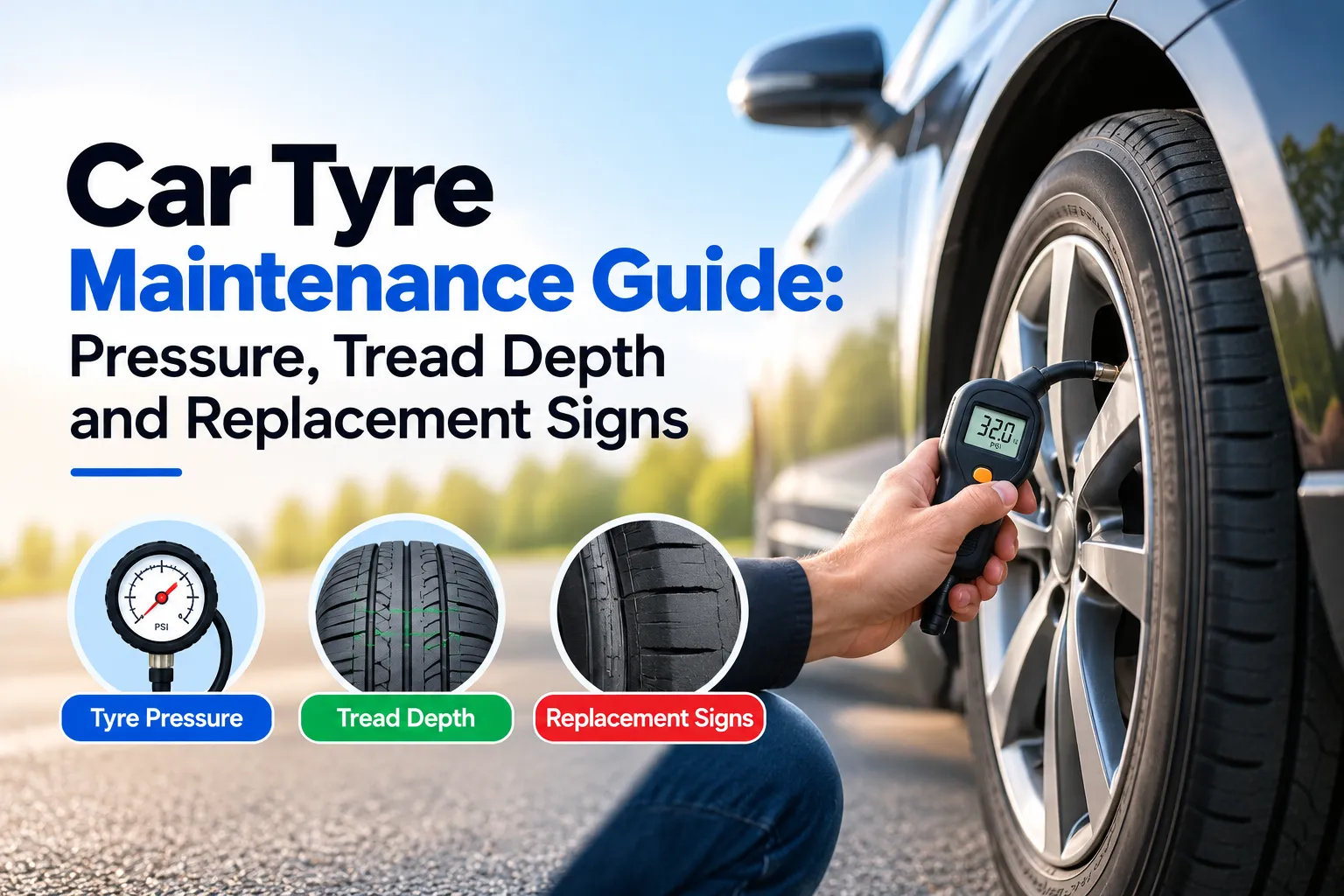
Check Tire Pressure Frequently
Properly inflated tires improve handling, braking, and fuel economy.
Benefits include:
- Better fuel efficiency
- Longer tire life
- Improved safety
- More comfortable driving experience
Check tire pressure at least once a month and before long trips.
Rotate Tires on Schedule
Tires wear unevenly depending on their position on the vehicle.
Why tire rotation matters:
- Extends tire lifespan
- Improves traction
- Promotes even wear
Recommended interval:
Every 8,000–10,000 km.
Inspect Brakes Regularly
Your braking system is one of the most important safety features in your vehicle.
Warning signs include:
- Squealing noises
- Grinding sounds
- Vibration while braking
- Longer stopping distances
Never ignore brake issues.
Replace Air Filters
A clean air filter allows proper airflow into the engine.
Benefits:
- Better engine performance
- Improved fuel economy
- Reduced emissions
Replace according to your car maintenance schedule.
Monitor Fluid Levels
Fluids keep your vehicle functioning properly.
Check regularly:
- Engine oil
- Coolant
- Brake fluid
- Transmission fluid
- Power steering fluid
Low fluid levels can lead to expensive mechanical failures.
Keep Your Battery Healthy
Most car batteries last between 3 and 5 years.
Battery care tips:
- Clean corrosion from terminals
- Ensure secure connections
- Avoid leaving lights on
- Test battery performance periodically
Warning signs of battery failure:
- Slow engine cranking
- Dim headlights
- Dashboard battery warning light
Wash and Wax Your Car
Many drivers overlook exterior care.
Regular washing helps:
- Remove dirt and contaminants
- Prevent rust formation
- Protect paint finish
Waxing adds an extra layer of protection against environmental damage.
Replace Wiper Blades
Good visibility is essential for safe driving.
Replace wiper blades:
- Every 6–12 months
- When streaking occurs
- When rubber begins cracking
Follow the Manufacturer’s Service Schedule
Your owner’s manual provides the most accurate maintenance recommendations.
Following the manufacturer’s schedule helps:
- Maintain warranty coverage
- Prevent unexpected failures
- Improve vehicle reliability
Seasonal Car Maintenance Tips
Summer Car Care
Hot weather can stress your vehicle.
Focus on:
- Cooling system inspection
- Tire condition checks
- Battery testing
- Air conditioning performance
Winter Car Care
Cold temperatures create unique challenges.
Prepare by checking:
- Antifreeze levels
- Battery health
- Tire tread depth
- Heater and defroster operation
Common Car Maintenance Mistakes to Avoid
Avoid these costly errors:
- Ignoring warning lights
- Skipping oil changes
- Delaying repairs
- Using incorrect fluids
- Neglecting tire maintenance
Addressing small problems early can save thousands in repair costs.
DIY Car Maintenance Tips
Some maintenance tasks are easy enough for most vehicle owners.
Simple DIY Car Maintenance Tasks
- Check tire pressure
- Replace wiper blades
- Monitor fluid levels
- Clean battery terminals
- Inspect lights and indicators
These small tasks can significantly improve vehicle reliability.
Car Maintenance Schedule by Mileage
| Mileage | Recommended Maintenance |
| 5,000 km | Oil change, tire inspection |
| 10,000 km | Brake inspection, tire rotation |
| 20,000 km | Air filter replacement, battery check |
| 50,000 km | Transmission inspection, coolant replacement |
| 100,000 km | Comprehensive vehicle service and major inspection |
Signs Your Car Needs Immediate Attention
Don’t ignore these warning signs:
Strange Noises
Knocking, squealing, or grinding sounds often indicate mechanical issues.
Excessive Smoke
Smoke from the exhaust may signal engine or fluid problems.
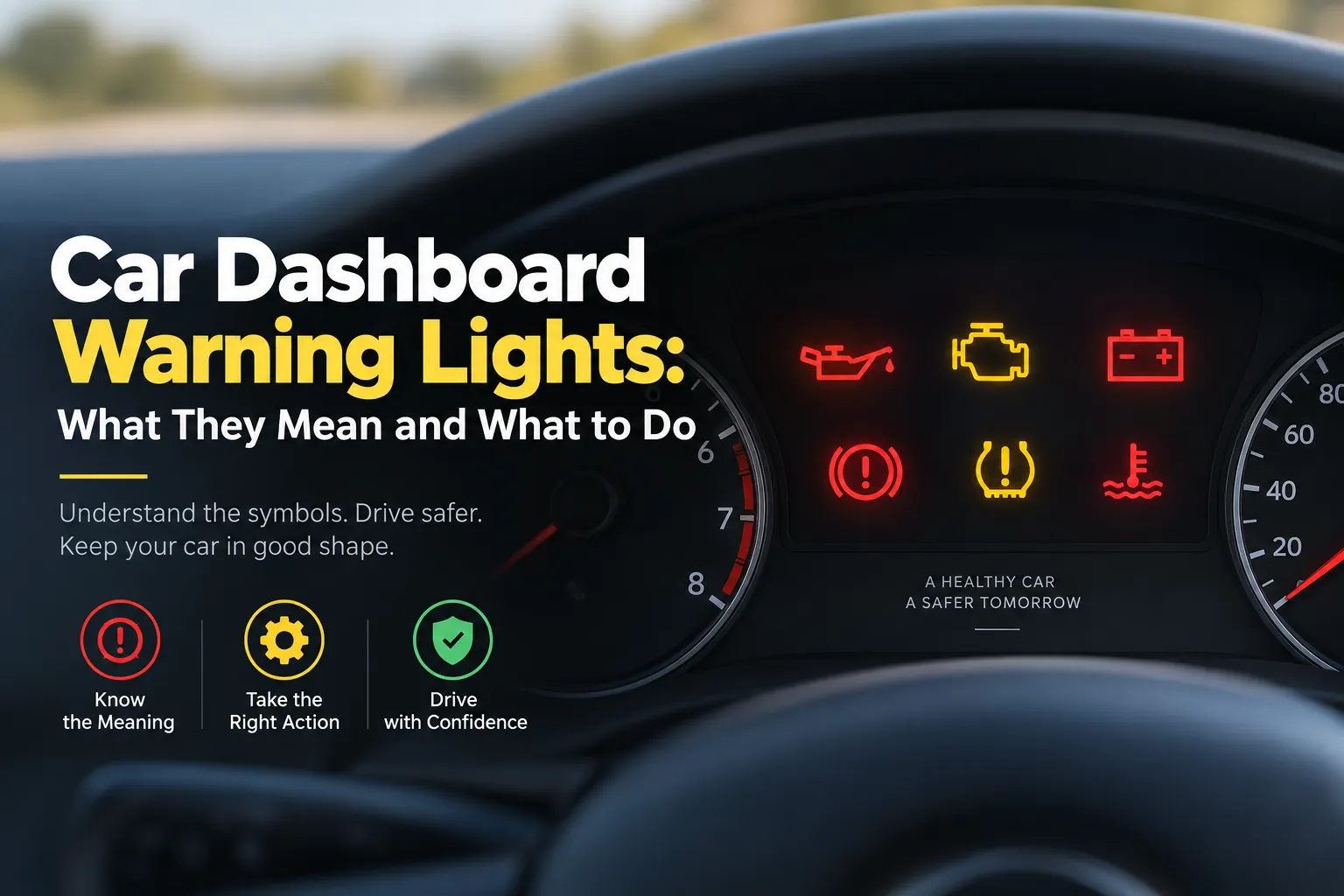
Warning Lights
Dashboard lights should never be ignored.
Fluid Leaks
Leaks can indicate serious issues with the engine, transmission, or cooling system.
Vibrations
Unexpected vibrations may point to tire, suspension, or brake problems.
Frequently Asked Questions
1. How often should I service my car?
Most vehicles should be serviced every 5,000–10,000 km or according to the manufacturer’s recommendations.
2. What is the most important car maintenance task?
Regular engine oil changes are among the most critical maintenance tasks.
3. Can regular maintenance improve fuel economy?
Yes. Proper tire pressure, clean filters, and fresh oil improve fuel efficiency.
4. How long does a car battery last?
Typically 3–5 years, depending on driving habits and climate.
5. How often should tires be rotated?
Every 8,000–10,000 km.
6. Is DIY car maintenance safe?
Yes, for basic tasks such as checking fluids, tire pressure, and replacing wiper blades.
7. What happens if I skip oil changes?
Dirty oil causes increased engine wear and may lead to costly engine damage.
8. How can I extend my car’s lifespan?
Follow a consistent preventive car maintenance schedule and address problems early.
Pro Maintenance Checklist
10-Point Car Maintenance Checklist
☐ Check engine oil regularly
☐ Inspect tire pressure monthly
☐ Rotate tires on schedule
☐ Inspect brake performance
☐ Monitor coolant levels
☐ Replace air filters as needed
☐ Test battery condition
☐ Replace worn wiper blades
☐ Wash and wax vehicle regularly
☐ Follow manufacturer’s maintenance schedule
Maintenance Reminder Tips
- Set monthly maintenance reminders on your phone.
- Keep a maintenance logbook.
- Schedule servicing before long road trips.
- Check tire pressure every month.
- Review your owner’s manual quarterly.
Expert Advice Section
Professional mechanics agree that preventive maintenance is always cheaper than reactive repairs. Spending a small amount on routine servicing can prevent major breakdowns and significantly increase vehicle lifespan.
A simple habit like checking tire pressure or changing engine oil on time can save hundreds or even thousands of dollars over the life of a vehicle.
Key Takeaways
- Regular maintenance improves safety and reliability.
- Oil changes are critical for engine health.
- Proper tire care improves fuel efficiency.
- Routine inspections reduce repair costs.
- Following the owner’s manual prevents unnecessary problems.
- Preventive maintenance extends vehicle lifespan.
- Small maintenance habits save significant money over time.
Conclusion
Proper car maintenance isn’t a complicated skill to master. Regularly adhering to our tips to keeping up your car can significantly benefit your drive time, as well as prolong the life of your vehicle.
Preventive car care is arguably one of the most important investments a vehicle owner can make. Making sure that fluids are at correct levels, that the air pressure on the tires are inflated to the right PSI, getting inspections on the brakes, and continuing with manufacturer’s’ service recommendations will save money and prevent the need for a visit to the repair shop.
Remember: small maintenance habits today can prevent major repair bills tomorrow. Stay consistent, stay proactive, and your car will reward you with dependable performance and a longer lifespan.
Automotive Disclaimer
This article is intended for informational and educational purposes only. Maintenance intervals may vary based on vehicle make, model, driving conditions, and manufacturer recommendations. Always consult your owner’s manual or a qualified automotive technician before performing repairs or maintenance.