Money can be complicated, especially when you’re just figuring things out. From a student who is new to handling finances to a recent college grad landing their first job, a solid understanding of personal finance is truly a life skill. Personal finance basically means how you make, spend, save, invest, and handle your money.
Early financial know-how is one of the simplest ways to start steering clear of debt, stress, and insecurity later on. The silver lining? You don’t have to have an MBA in money management to start getting it all together. Small but steady steps make big financial differences.
Some key benefits of managing your finances effectively include:
- Better control over spending
- Increased savings
- Reduced financial stress
- Greater financial security
- Faster achievement of life goals
In this guide, you’ll learn practical personal finance tips for beginners that can help you build strong financial habits from day one.
What Is Personal Finance?
Personal finance is the process of managing your money to meet both current and future financial needs.
It covers everything related to your financial life, including:
- Budgeting
- Saving money
- Debt management
- Investing
- Insurance
- Retirement planning
- Financial goal setting
Key Areas of Personal Finance
- Income Management
- Expense Tracking
- Saving and Emergency Funds
- Investing
- Debt Repayment
- Financial Planning
Why Beginners Should Learn It Early
The earlier you learn personal finance, the more time you have to build wealth and avoid costly financial mistakes. Good money habits developed today can benefit you for decades.
Why Personal Finance Is Important
Understanding personal finance helps you make smarter financial decisions throughout life.
Financial Security
Having savings and a plan protects you from unexpected financial challenges.
Reduced Stress
Money problems are a major source of stress. Effective financial planning creates peace of mind.
Better Decision-Making
You’ll make informed choices about spending, borrowing, and investing.
Wealth Building
Saving and investing consistently allows your money to grow over time.
Achieving Life Goals
Whether you want to travel, buy a home, start a business, or retire comfortably, good financial management helps you get there.
Assess Your Current Financial Situation
Before creating a financial plan, understand where you currently stand.
Track Your Income
List all sources of income:
- Salary
- Freelance work
- Side hustles
- Scholarships
- Investments
Track Your Expenses
Monitor spending for at least one month.
Common categories include:
- Rent
- Food
- Transportation
- Entertainment
- Shopping
- Utilities
Calculate Your Savings Rate
Use this formula:
Savings Rate = (Amount Saved ÷ Income) × 100
Example:
- Monthly Income: $2,000
- Monthly Savings: $400
Savings Rate = 20%
Identify Unnecessary Spending
Review your transactions and look for:
- Unused subscriptions
- Frequent food deliveries
- Impulse purchases
- Excessive online shopping
Small spending leaks can add up quickly.
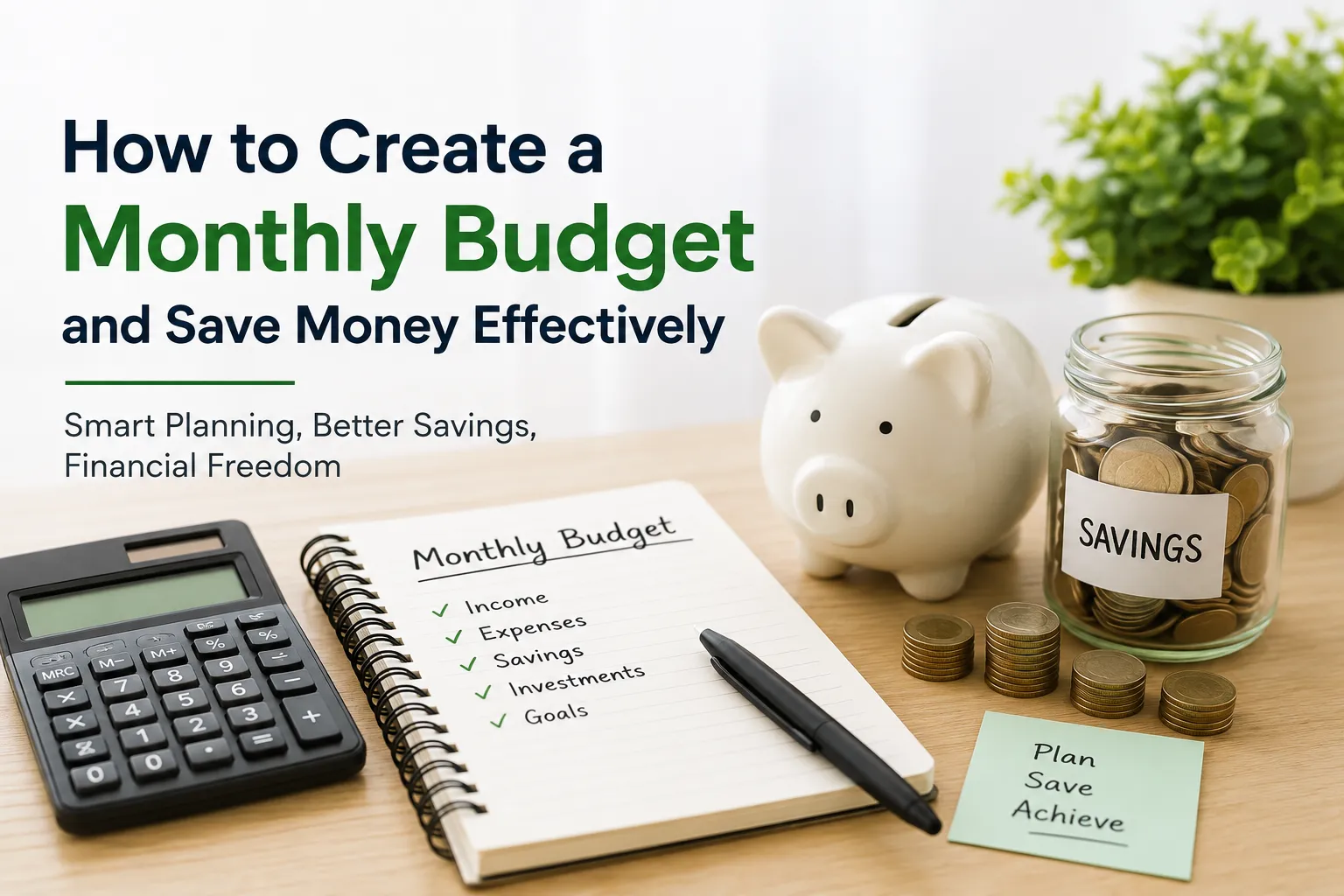
Create a Budget That Works
Budgeting for beginners doesn’t have to be complicated.
A budget simply tells your money where to go.
The 50/30/20 Budgeting Rule
This popular budgeting method divides income into three categories.
| Budget Category | Recommended Percentage |
| Needs | 50% |
| Wants | 30% |
| Savings & Debt Repayment | 20% |
Needs: Rent, groceries, utilities
Wants: Dining out, entertainment, hobbies
Savings: Emergency fund, investments, debt payments
Zero-Based Budgeting
With zero-based budgeting, every dollar gets a job.
Income – Expenses – Savings = $0
This method helps eliminate wasteful spending.
Budgeting Apps
Popular budgeting tools include:
- Mint alternatives
- YNAB (You Need A Budget)
- PocketGuard
- Goodbudget
- Excel or Google Sheets
Choose a system you’ll actually use consistently.
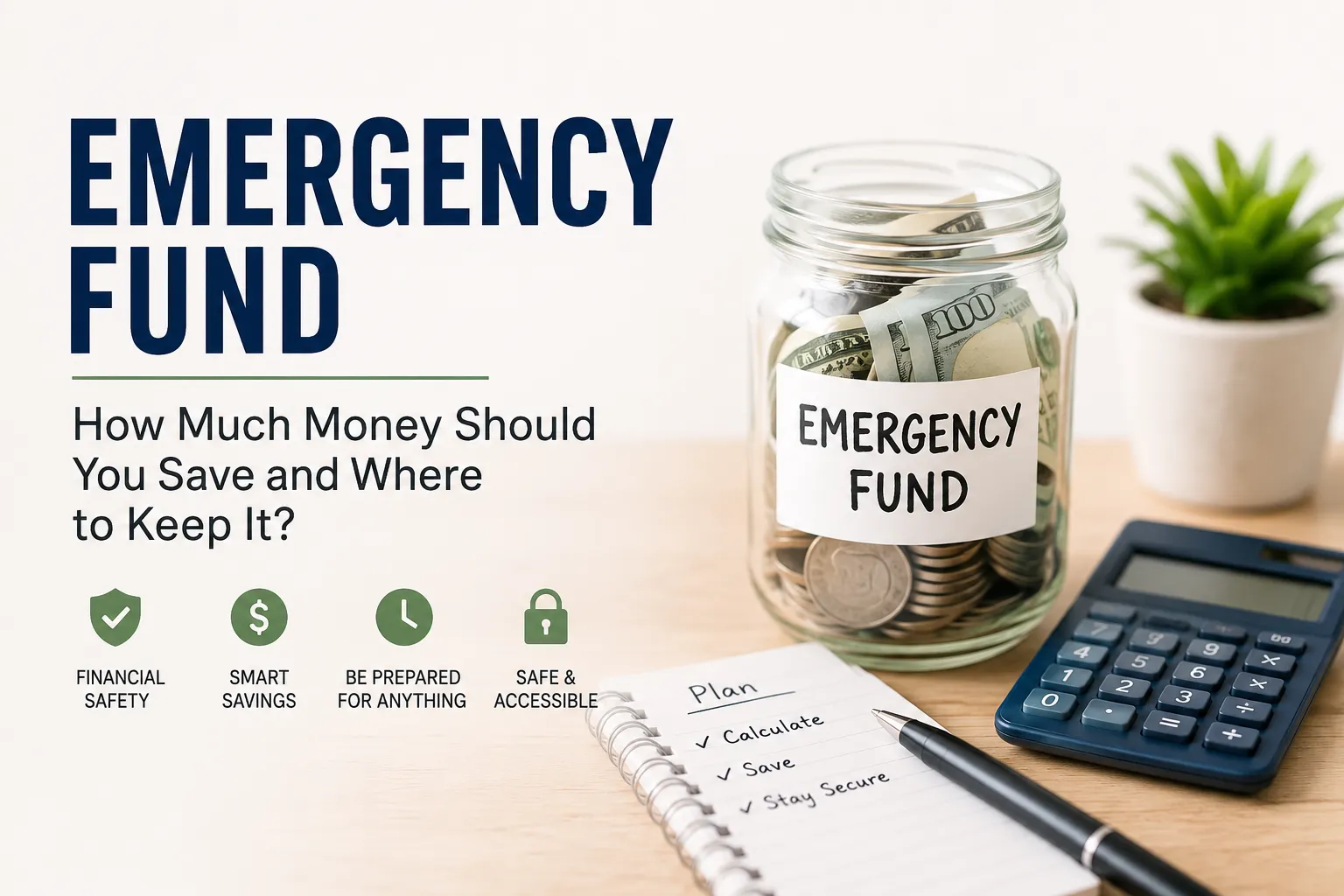
Build an Emergency Fund
An emergency fund is money set aside for unexpected expenses.
Examples include:
- Medical emergencies
- Job loss
- Car repairs
- Home repairs
Why It Matters
Without an emergency fund, many people rely on credit cards or loans.
How Much Should You Save?
Beginner target:
- At least 1 month of expenses
Long-term goal:
- 3–6 months of living expenses
Where Should You Keep It?
Keep emergency savings in:
- High-yield savings accounts
- Separate savings accounts
- Easily accessible but not frequently used accounts
Avoid investing emergency funds in risky assets.
Smart Money Management Tips
Good financial habits create long-term success.
Pay Yourself First
Save money before spending on non-essential items.
Automate Savings
Set up automatic transfers to savings accounts each payday.
Avoid Impulse Purchases
Try the 24-hour rule:
Wait one day before making non-essential purchases.
Use Cash-Back Rewards Wisely
Cash-back rewards are useful only if you pay your balance in full.
Review Subscriptions Regularly
Cancel services you no longer use.
Even $10-$20 monthly subscriptions can add up significantly over a year.
Manage and Eliminate Debt
Debt can slow financial progress if not managed carefully.
Common Types of Debt
- Credit card debt
- Personal loans
- Student loans
- Auto loans
Debt Snowball Method
Focus on paying off the smallest balance first.
Benefits:
- Quick wins
- Increased motivation
Debt Avalanche Method
Focus on paying off the highest-interest debt first.
Benefits:
- Saves more money over time
Snowball vs Avalanche Comparison
| Feature | Debt Snowball | Debt Avalanche |
| Focus | Smallest balance | Highest interest rate |
| Motivation | Higher | Moderate |
| Interest Savings | Lower | Higher |
| Best For | Beginners needing motivation | People focused on efficiency |
Choose the strategy that helps you stay consistent.
Start Investing Early
One of the most important personal finance tips for beginners is to start investing as early as possible.
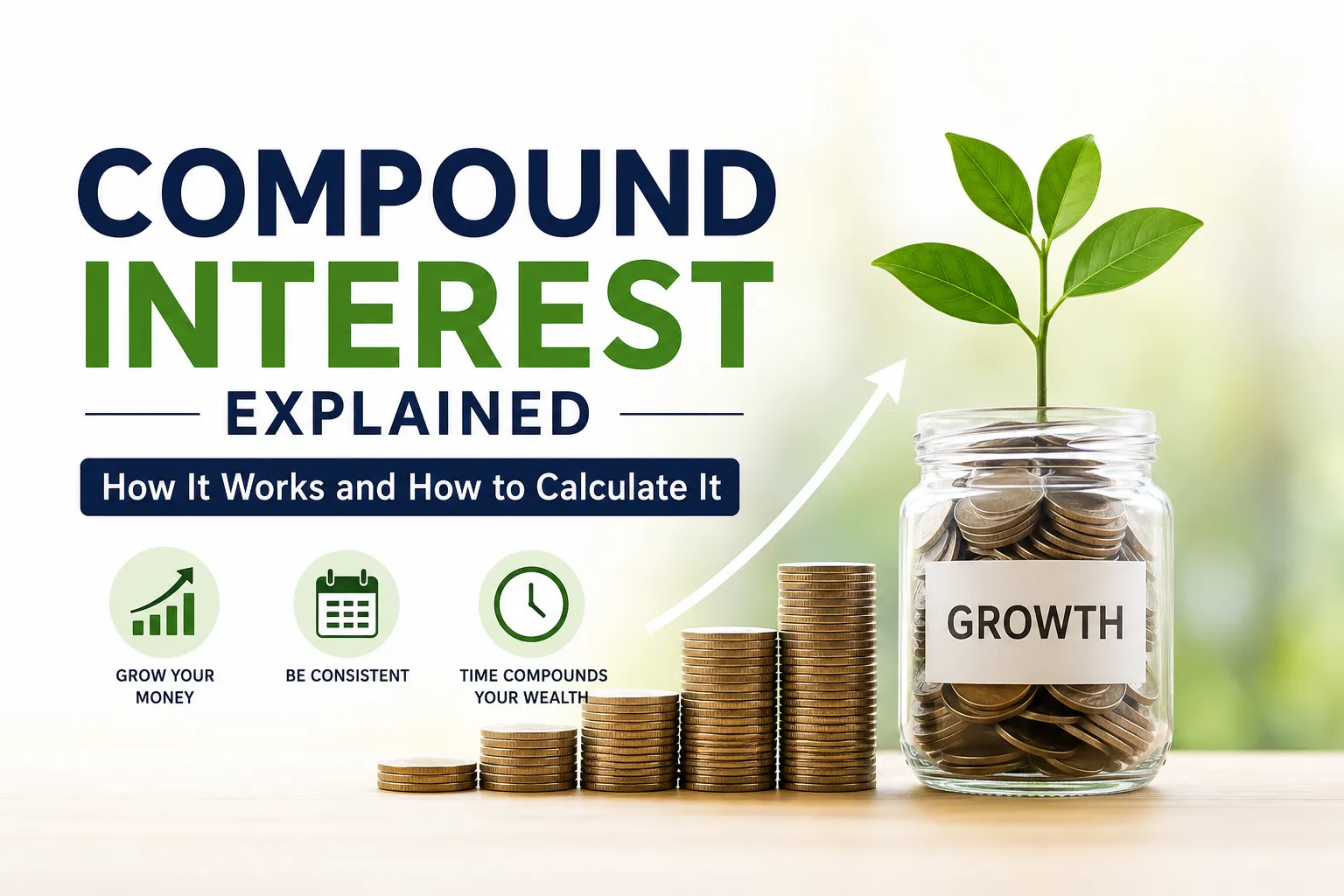
The Power of Compound Interest
Compound interest allows your money to earn returns on previous returns.
Example:
Investing $100 monthly for many years can grow substantially because earnings continue generating additional earnings.
Mutual Funds
Mutual funds pool money from multiple investors into a diversified portfolio.
Index Funds
Index funds track market indexes and typically offer:
- Low fees
- Broad diversification
- Simplicity
SIP Investing
Systematic Investment Plans (SIPs) allow you to invest a fixed amount regularly.
Benefits include:
- Disciplined investing
- Reduced market timing risk
- Affordable starting point
Understand Risk and Return
Generally:
- Higher returns = Higher risk
- Lower risk = Lower returns
Invest according to your goals and risk tolerance.
Financial Goals Every Beginner Should Set
Clear financial goals provide direction and motivation.
Examples include:
- Emergency fund
- Vacation savings
- Home down payment
- Retirement planning
- Education funding
SMART Goal Examples
| Goal | SMART Example |
| Emergency Fund | Save $3,000 in 12 months |
| Vacation Fund | Save $1,500 in 8 months |
| Home Purchase | Save $20,000 in 5 years |
| Retirement | Invest 10% of income monthly |
SMART goals are:
- Specific
- Measurable
- Achievable
- Relevant
- Time-bound
Common Personal Finance Mistakes to Avoid
Avoiding mistakes can be just as important as making good decisions.
Living Beyond Your Means
Spending more than you earn creates long-term financial problems.
Not Budgeting
Without a budget, it’s difficult to control spending.
Ignoring Savings
Saving should not be an afterthought.
Taking Unnecessary Debt
Avoid borrowing for non-essential purchases.
Delaying Investments
Time is one of the biggest advantages investors have.
Starting early matters more than investing large amounts later.
Best Financial Habits for Long-Term Success
Successful financial planning depends on consistent habits.
Track Expenses Weekly
Knowing where money goes helps improve decisions.
Conduct Monthly Financial Reviews
Review:
- Income
- Expenses
- Savings progress
- Investments
Continue Learning
Read books, blogs, and financial education resources regularly.
Invest Consistently
Small monthly investments can produce significant long-term results.
Increase Savings When Income Grows
Avoid lifestyle inflation whenever possible.
Set Annual Financial Goals
Review and update goals every year.
Frequently Asked Questions
1. What are the basic personal finance tips for beginners?
Start with budgeting, tracking expenses, building an emergency fund, avoiding unnecessary debt, and investing consistently.
2. How much should I save each month?
A common recommendation is saving at least 20% of your income, but any amount is better than none.
3. What is the 50/30/20 rule?
It allocates:
- 50% to needs
- 30% to wants
- 20% to savings and debt repayment
4. When should I start investing?
As early as possible. Starting early allows compound growth to work in your favor.
5. How much emergency fund do I need?
Aim for 3–6 months of essential living expenses.
6. Is budgeting really necessary?
Yes. Budgeting helps control spending and supports financial goals.
7. What is the best investment for beginners?
Many beginners start with diversified index funds, mutual funds, or SIPs because they are simple and widely diversified.
8. How can I improve my financial habits?
Track spending, automate savings, review finances monthly, and continue learning about money management.
Key Takeaways
- Personal finance is about managing income, spending, saving, and investing.
- Budgeting is the foundation of financial success.
- Build an emergency fund before taking major financial risks.
- Eliminate high-interest debt as quickly as possible.
- Start investing early to benefit from compound growth.
- Set clear financial goals and review them regularly.
- Consistency matters more than perfection.
- Smart money habits lead to long-term wealth and financial security.
Quick Personal Finance Checklist
✔ Track your income
✔ Track your expenses
✔ Create a monthly budget
✔ Save at least 20% of income
✔ Build an emergency fund
✔ Pay off high-interest debt
✔ Start investing regularly
✔ Review finances monthly
✔ Set financial goals
✔ Continue learning about money management
Financial Disclaimer
This article is for educational and informational purposes only and should not be considered financial, investment, tax, or legal advice. Always consult a qualified financial professional before making major financial decisions.
Conclusion
Building a strong financial future doesn’t require a high income or advanced financial knowledge. It starts with simple actions such as budgeting, saving money, managing debt wisely, and investing consistently.
Remember that small financial decisions made every day can have a significant impact over time. You don’t need to be perfect. What matters most is staying consistent and continuing to improve your financial habits.
The best time to start managing your money was yesterday. The second-best time is today.
Start small, stay disciplined, and let your financial progress compound over time.