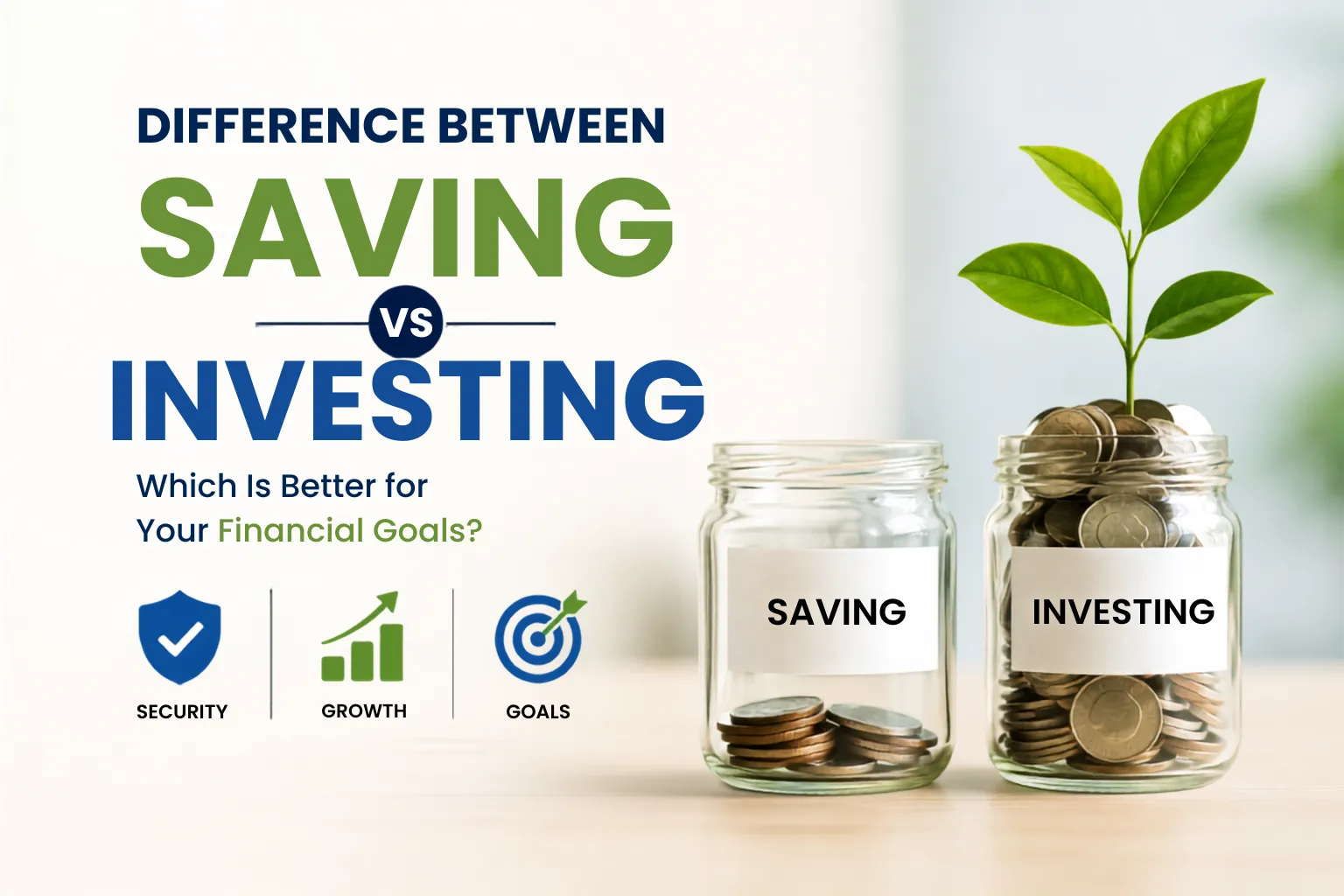
Managing money wisely is one of the most important life skills you can develop. Yet many people struggle to decide whether they should focus on saving money or start investing for beginners. Although these terms are often used interchangeably, they serve different purposes in a solid financial plan.
Understanding the Difference Between Saving and Investing helps you make smarter decisions, prepare for unexpected expenses, and build long-term wealth. The right balance between saving and investing can improve your financial security while helping you achieve both short-term and long-term financial goals.
Whether you’re a college student, a young professional, or supporting a family, knowing when to save and when to invest is an essential part of smart money management.
What Is Saving?
Saving means setting aside money for future use while keeping it safe and easily accessible. Savings are typically stored in a savings account, fixed deposit, money market account, or cash.
The primary purpose of saving is to cover short-term needs and unexpected expenses without taking financial risks.
Key Features of Saving
- Low risk
- High liquidity
- Easy access to funds
- Predictable but relatively low returns
Best Use Cases
- Emergency fund
- Vacation planning
- Buying a car
- Home down payment
- Medical emergencies
- Short-term financial goals
Example:
If you plan to buy a laptop within six months, keeping the money in a savings account is generally a safer choice than investing it in the stock market.
What Is Investing?
Investing means putting your money into assets that have the potential to grow over time. Common investments include stocks, bonds, mutual funds, exchange-traded funds (ETFs), and real estate.
Unlike saving, investing involves risk. However, historically, diversified investments held over long periods have generally provided higher returns than traditional savings accounts.
How Investing Works
Your money earns returns through:
- Capital appreciation
- Dividends
- Interest
- Compounding over time
Key Features
- Higher return potential
- Moderate to high risk
- Best for long-term wealth creation
- Can help outpace inflation
Example:
Investing a fixed amount every month in a diversified index fund for 20 years can significantly increase wealth through compound growth, even if markets fluctuate along the way.
Saving vs Investing: Key Differences
| Feature | Saving | Investing |
| Purpose | Short-term needs | Long-term wealth building |
| Risk | Very low | Moderate to high |
| Returns | Low but predictable | Higher potential, not guaranteed |
| Liquidity | High | Varies by investment |
| Time Horizon | Less than 3 years | 5 years or more |
| Suitable For | Emergency fund and planned expenses | Retirement and long-term financial goals |
| Inflation Impact | Purchasing power may decline | Potential to outpace inflation over time |
| Accessibility | Immediate | May require selling investments |
Saving is best for short-term financial security and emergency funds, while investing is designed for long-term wealth creation and achieving major financial goals. Most people benefit from using both together.
When Should You Save Money?
Saving is the right choice when you’ll need the money relatively soon or cannot afford to lose any of it.
Ideal situations include:
- Building an emergency fund
- Planning a vacation
- Buying a vehicle
- Saving for a home down payment
- Paying annual insurance premiums
- Preparing for unexpected medical expenses
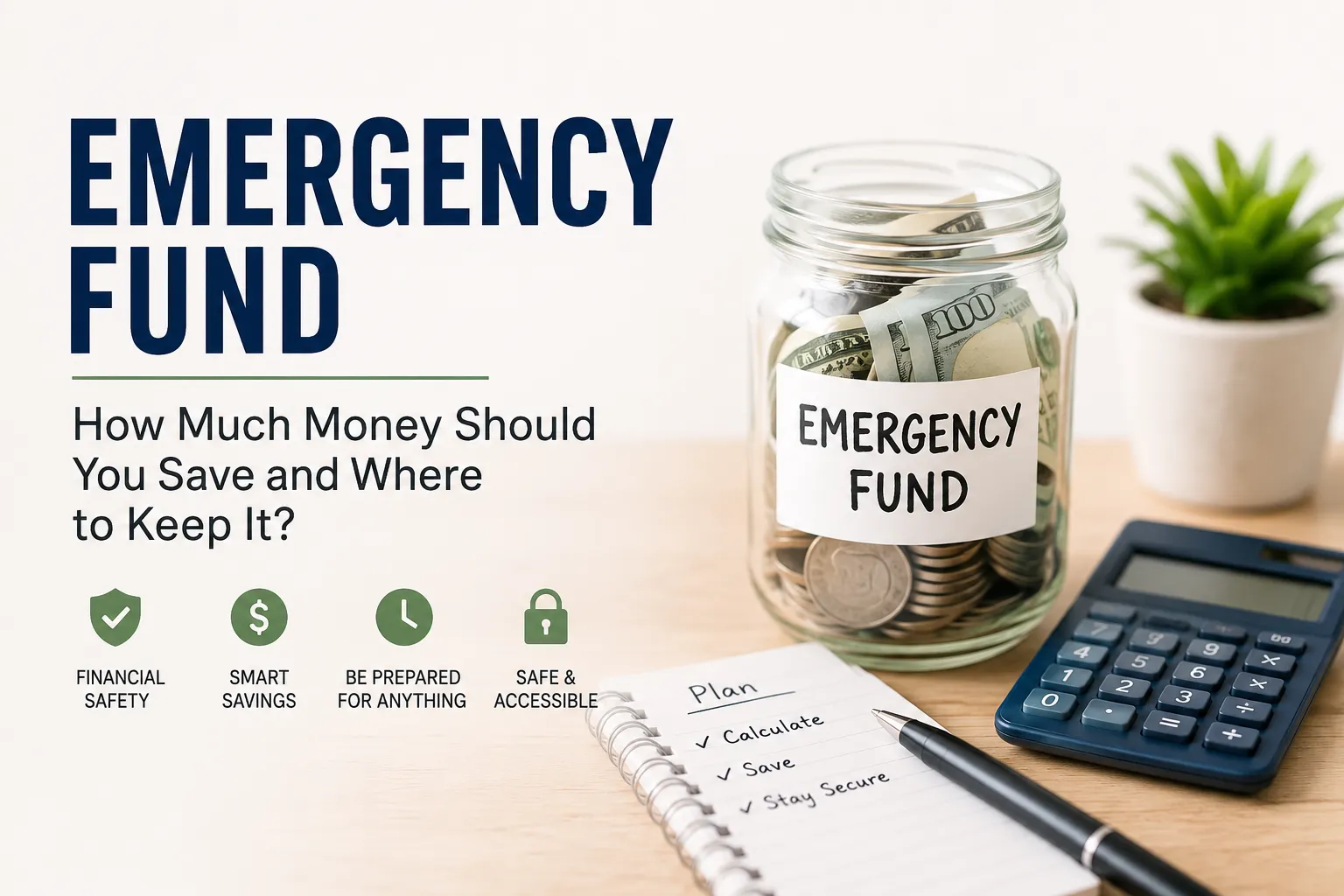
A common recommendation is to keep three to six months’ worth of essential living expenses in an emergency fund, though the ideal amount depends on your income stability and personal circumstances.
When Should You Invest?
Investing makes sense when your money can stay invested for several years and you want it to grow.
Common long-term goals include:
- Retirement planning
- Wealth building
- Children’s education
- Buying a second home
- Financial independence
- Growing long-term assets
The earlier you begin long-term investing, the more time compound growth has to work in your favor.
Advantages of Saving
Saving provides financial stability and flexibility.
Benefits
- Very low financial risk
- Quick access to money
- Helps avoid unnecessary debt
- Creates peace of mind
- Supports short-term financial planning
Advantages of Investing
Investing helps your money work harder over time.
Benefits
- Higher return potential
- Power of compound growth
- Better chance of keeping pace with or exceeding inflation
- Passive wealth creation
- Helps achieve long-term financial goals
Risks of Saving and Investing
Both strategies have advantages, but each also has risks.
Saving Risks
- Inflation can reduce purchasing power.
- Interest earned may not keep pace with rising prices.
- Excess cash savings may limit long-term wealth growth.
Investing Risks
- Market volatility
- Temporary losses
- Emotional decision-making during market swings
- Poor diversification
- Investing without understanding the product
A diversified portfolio and a long-term perspective can help reduce—but not eliminate – investment risk.
Can You Save and Invest at the Same Time?
Yes – and for most people, this is the most balanced approach.
A practical sequence is:
- Cover essential expenses.
- Build an emergency fund.
- Pay down high-interest debt.
- Invest surplus money toward long-term goals.
Example: 50/30/20 Budget
- 50% Needs
- 30% Wants
- 20% Savings and investments
Within the 20%, you might first build your emergency fund and then direct additional money toward investments once that safety cushion is in place.
Beginner Tips for Smart Money Management
Follow these personal finance tips to build healthy financial habits:
- Set clear financial goals.
- Track your monthly expenses.
- Build an emergency fund before investing heavily.
- Start investing early, even with small amounts.
- Diversify your investments.
- Avoid unnecessary high-interest debt.
- Invest consistently rather than trying to time the market.
- Review your financial plan at least once a year.
Common Financial Mistakes to Avoid
Many beginners slow their financial progress by making avoidable mistakes.
Avoid these common pitfalls:
- Keeping all your money in savings indefinitely
- Investing without research or understanding
- Ignoring your emergency fund
- Chasing quick profits or “guaranteed” returns
- Making emotional investment decisions
- Never reviewing your financial goals
- Stopping investments during temporary market declines without evaluating your long-term plan
Frequently Asked Questions
1. Is saving better than investing?
Neither is universally better. Saving is ideal for short-term security, while investing is generally more suitable for long-term wealth creation.
2. Can I lose money by investing?
Yes. Investments can decline in value, especially over short periods. Diversification and a long-term approach can help manage risk but cannot eliminate it.
3. How much should I keep in savings?
Many financial planners suggest maintaining an emergency fund covering approximately three to six months of essential living expenses, adjusted for your personal situation.
4. When should I start investing?
As soon as you’ve built an emergency fund, managed high-interest debt, and can invest consistently toward long-term goals.
5. Can I invest with a small amount?
Yes. Many investment platforms allow you to begin with relatively small amounts through systematic or recurring investments.
6. Does inflation affect savings?
Yes. If savings earn less than the inflation rate over time, their purchasing power can decline.
7. Should beginners invest or save first?
Most beginners should first establish an emergency fund before focusing on long-term investing.
8. What is the ideal balance between saving and investing?
The right balance depends on your age, income, goals, and risk tolerance, but maintaining both savings for emergencies and investments for long-term growth is generally a sound strategy.
Pro Tips for Beginners
- Automate your savings and investments.
- Increase investment contributions whenever your income grows.
- Avoid reacting emotionally to market headlines.
- Focus on long-term consistency instead of short-term market movements.
- Learn continuously before investing in unfamiliar products.
Financial Disclaimer
This article is for educational and informational purposes only and should not be considered personalized financial, investment, tax, or legal advice. Investment values can rise or fall, and past performance does not guarantee future results. Consider consulting a qualified financial professional before making significant financial decisions.
Looking to build better money habits? Read our complete guide on Personal Finance Tips for Beginners.
Conclusion
Understanding the Difference Between Saving and Investing is one of the most important steps toward financial success. Saving provides stability, protects you from emergencies, and helps you meet short-term goals. Investing, on the other hand, gives your money the opportunity to grow over time and supports long-term objectives such as retirement, education, and financial independence.
Rather than choosing one over the other, the strongest financial strategy combines both. Build a solid emergency fund first, invest consistently for the future, and review your plan regularly as your circumstances change. Remember, lasting financial success is rarely about finding the perfect moment—it comes from making thoughtful decisions and staying consistent. The smart financial choices you make today can lay the foundation for greater security, confidence, and financial freedom tomorrow.