Fuel can become one of the biggest recurring expenses of owning a car, especially for people who commute every day. Yet fuel economy is not determined by the vehicle alone. Two drivers using similar cars can get noticeably different mileage because of driving style, traffic, tire pressure, vehicle load, maintenance, weather, and air-conditioning use.
The good news is that learning how to improve your car’s fuel efficiency does not necessarily mean buying a newer vehicle or making expensive modifications.
The best ways to improve your car’s fuel efficiency include maintaining correct tire pressure, driving smoothly, avoiding unnecessary idling, reducing excess vehicle weight, keeping up with routine maintenance, and planning trips efficiently.
What Is Fuel Efficiency?
Fuel efficiency describes how effectively a vehicle uses fuel to travel a given distance. Fuel economy is commonly expressed as km/l (kilometres per litre) or mpg (miles per gallon).
Your real-world mileage can differ from an advertised or laboratory figure. Traffic, hills, weather, road surfaces, driving habits, air conditioning, vehicle condition, and carrying loads can all affect fuel economy.
Fuel consumption is the reverse idea: it describes how much fuel a vehicle needs to travel a particular distance.
Best Ways to Improve Your Car’s Fuel Efficiency
Drive Smoothly and Avoid Sudden Acceleration
Aggressive acceleration and frequent hard braking can waste energy. Instead, press the accelerator progressively and look ahead so you can anticipate traffic changes.
When conditions allow:
- Accelerate gradually.
- Maintain a steady speed.
- Look well ahead for traffic lights and congestion.
- Avoid unnecessary hard braking.
- Leave enough space to react smoothly.
This type of fuel-efficient driving can also make driving more comfortable and predictable. The Department of Energy recommends sensible acceleration and braking as a practical way to improve efficiency.
Maintain the Correct Tire Pressure
Tires that are underinflated have greater rolling resistance, meaning the engine has to use more energy to move the vehicle.
Check tire pressure regularly, preferably when the tires are cold. Most importantly, use the pressure recommended by the vehicle manufacturer on the driver’s-door label or in the owner’s manual—not the maximum pressure printed on the tire sidewall.
Correct pressure supports both fuel economy and tire safety.
Avoid Excessive Idling
Leaving the engine running while the vehicle is parked uses fuel without moving the car.
Examples include:
- Waiting outside a shop with the engine running
- Sitting in a parking area for an extended period
- Leaving the engine running unnecessarily while preparing to leave
Modern vehicles generally do not need long stationary warm-up periods. However, idling practices can vary with vehicle design, weather, and local conditions. If you are parked and do not need the engine running, switching it off can avoid unnecessary fuel use.
Reduce Unnecessary Weight
Carrying extra weight means the vehicle needs more energy to accelerate and move.
Take a few minutes to remove items you do not need, such as:
- Unused tools
- Heavy equipment
- Old luggage
- Sports gear
- Items permanently stored in the trunk
The effect varies by vehicle and driving conditions, so removing a few items will not necessarily produce a dramatic improvement. Still, avoiding unnecessary weight is a simple fuel-saving habit.
Use Air Conditioning Wisely
Air conditioning can increase fuel consumption, particularly in conditions where the system has to work hard.
You can reduce unnecessary load by:
- Using a reasonable cabin temperature.
- Avoiding prolonged AC use while parked when it is not needed.
- Ventilating the cabin when conditions make that practical.
- Parking in shade when possible to reduce cabin heat.
In very hot weather, comfort and safety should take priority. Do not avoid air conditioning if doing so makes the cabin dangerously hot.
Keep Up With Regular Car Maintenance
A well-maintained vehicle is generally better positioned to deliver its expected fuel economy. EPA guidance specifically recommends following the manufacturer’s maintenance schedule and keeping the vehicle in good condition.
Useful car maintenance tips include:
- Change engine oil according to the manufacturer’s schedule.
- Use the manufacturer’s recommended oil specification.
- Inspect or replace the air filter when required.
- Check spark plugs where applicable.
- Maintain proper wheel alignment.
- Investigate unusual noises, vibrations, or handling changes.
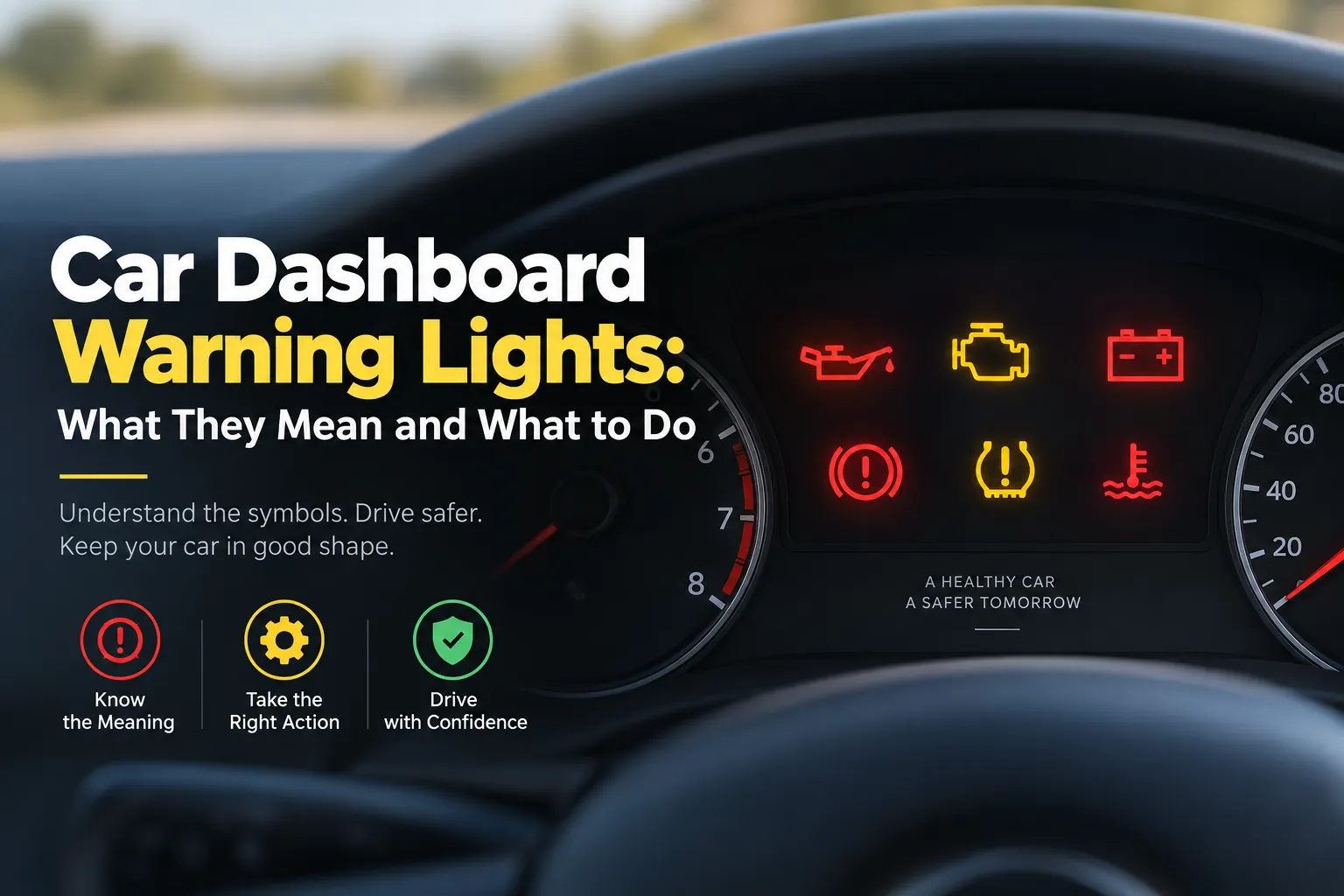
- Address engine warning lights promptly.
Maintenance requirements vary by engine, vehicle age, mileage, and manufacturer, so there is no universal service interval.
Plan Trips and Avoid Heavy Traffic
Trip planning can help reduce fuel consumption without changing your vehicle.
Try to:
- Combine several errands into one outing.
- Avoid unnecessary short trips when practical.
- Check traffic before leaving.
- Choose an efficient route rather than automatically choosing the shortest route.
- Group appointments and errands geographically.
EPA guidance also recommends combining several short trips into one longer trip where practical.
Use Cruise Control When Appropriate
Cruise control can help maintain a steady speed on suitable highways and relatively open roads. A consistent speed can reduce unnecessary acceleration and deceleration.
However, cruise control is not appropriate for every situation. Avoid using it where road, traffic, weather, or local regulations make it unsuitable, and always remain fully attentive.
Driving Habits That Waste Fuel
Several everyday habits can gradually increase fuel consumption:
- Aggressive acceleration: Uses more fuel than smooth acceleration.
- Frequent hard braking: Wastes energy that could have been avoided by anticipating traffic.
- Excessive idling: Burns fuel while the vehicle remains stationary.
- Unnecessarily high speeds: Aerodynamic drag increases as speed rises.
- Extra weight: Makes the vehicle work harder, particularly during acceleration.
- Incorrect tire pressure: Increases rolling resistance when tires are underinflated.
- Poor maintenance: Mechanical problems can reduce efficiency.
- Unnecessary trips: More kilometres driven naturally mean more fuel used.
EPA lists speeding, quick acceleration, hard braking, unnecessary weight, high accessory use, and poor maintenance among factors that can reduce MPG.
Car Maintenance Checklist for Better Fuel Economy
| Maintenance Task | Why It Matters | Recommended Action |
| Tire pressure | Reduces rolling resistance | Check regularly |
| Engine oil | Supports proper engine operation | Follow manufacturer’s schedule |
| Air filter | Supports proper airflow | Inspect/replace when required |
| Wheel alignment | Helps tires roll properly | Check if uneven wear or pulling occurs |
| Spark plugs | Important for gasoline engines | Replace according to manufacturer |
| Engine warning lights | May indicate efficiency-affecting problems | Diagnose promptly |
Maintenance intervals vary according to the vehicle, engine, age, mileage, operating conditions, and manufacturer’s recommendations.
Does Driving Speed Affect Fuel Efficiency?
Yes. Fuel consumption generally increases as speed rises, with aerodynamic drag becoming increasingly important at higher speeds. The Department of Energy notes that average gas mileage tends to decline significantly at speeds above about 50 mph (80 km/h).
For everyday drivers, the practical lesson is simple: maintaining a moderate, legal, steady speed can help improve fuel economy.
Never speed or drive below a safe traffic speed merely to save fuel. Safety and compliance with local traffic laws come first.
How Much Fuel Can You Save?
There is no single fuel-saving percentage that applies to every driver.
Potential savings depend on:
- Vehicle type and engine
- Current driving habits
- Traffic conditions
- Vehicle condition
- Climate and temperature
- Road type and terrain
- Distance driven
- Air-conditioning use
A driver who already maintains the vehicle carefully and drives smoothly may see only a modest improvement. Someone correcting underinflated tires, excessive idling, aggressive driving, and neglected maintenance could see a more noticeable difference.
The most useful approach is to combine several small improvements and monitor your actual fuel consumption over time.
Simple Fuel-Saving Routine for Daily Drivers
Before driving:
- Check tire pressure regularly.
- Remove unnecessary weight.
- Plan your route.
While driving:
- Accelerate smoothly.
- Maintain a steady speed when conditions permit.
- Avoid unnecessary idling.
- Anticipate traffic.
Weekly or monthly:
- Monitor fuel consumption.
- Check for unusual vehicle behaviour.
- Inspect tires.
- Follow the manufacturer’s maintenance schedule.
Tracking fuel use over several fill-ups can help you determine whether your fuel saving tips are actually making a difference.
Common Fuel-Saving Mistakes to Avoid
Some attempts to save fuel can be ineffective or counterproductive.
Avoid:
- Using incorrect tire pressure.
- Buying unproven fuel-saving devices or gadgets.
- Ignoring engine warning lights.
- Driving aggressively while trying to save fuel.
- Skipping scheduled maintenance.
- Following fuel-saving myths without checking reliable information.
The EPA has specifically warned consumers to be cautious about products and devices that claim to dramatically improve fuel economy without credible evidence.
Frequently Asked Questions
1. How can I improve my car’s fuel efficiency?
Drive smoothly, maintain proper tire pressure, avoid idling, reduce extra weight, and follow regular maintenance.
2. Does tire pressure affect fuel mileage?
Yes, underinflated tires increase rolling resistance and can reduce fuel efficiency.
3. Does air conditioning use more fuel?
Yes, using the AC can increase fuel consumption, especially in hot conditions or during extended use.
4. Does driving slower save fuel?
Driving at a moderate, legal, and steady speed can generally improve fuel economy compared with unnecessarily high speeds.
5. Does regular car servicing improve mileage?
Proper maintenance helps your car operate efficiently and can prevent mechanical issues that may reduce fuel economy.
Conclusion
Learning how to improve your car’s fuel efficiency is less about finding one magic trick and more about combining sensible driving habits with regular maintenance.
Smooth acceleration, correct tire pressure, less unnecessary idling, sensible AC use, reduced vehicle weight, and better trip planning can all contribute to lower fuel consumption. Regular maintenance is equally important because a vehicle that is not operating properly may struggle to deliver its expected economy.
Better fuel economy starts with better driving habits, regular maintenance, and smarter trip planning. Start with two or three simple changes today, track your fuel use over the next few fill-ups, and build from there.