Saving money can feel almost impossible when most of your income already goes toward rent, food, transportation, utilities, debt, and other necessities. If there is little left at the end of the month, being told to “just save more” is not very helpful.
The good news is that saving money on a low income does not require extreme frugality or a perfect budget. The goal is to create financial breathing room by making realistic changes that you can maintain.
Even a small amount saved regularly can help you build the habit of saving and prepare for unexpected expenses. The key is to focus on what you can control, prioritize your biggest expenses, and avoid unrealistic goals.
Can You Save Money on a Low Income?
Yes, saving is possible on a low income, but the amount you save should fit your circumstances. Start with a small, realistic amount and focus on expenses you can actually change.
For example, saving $5, $10, or $20 regularly can help establish a savings habit. If your income or expenses change, you can adjust the amount.
Avoid comparing your financial situation with friends, relatives, or people online. Personal finance is personal, and a strategy that works for one household may not work for another.
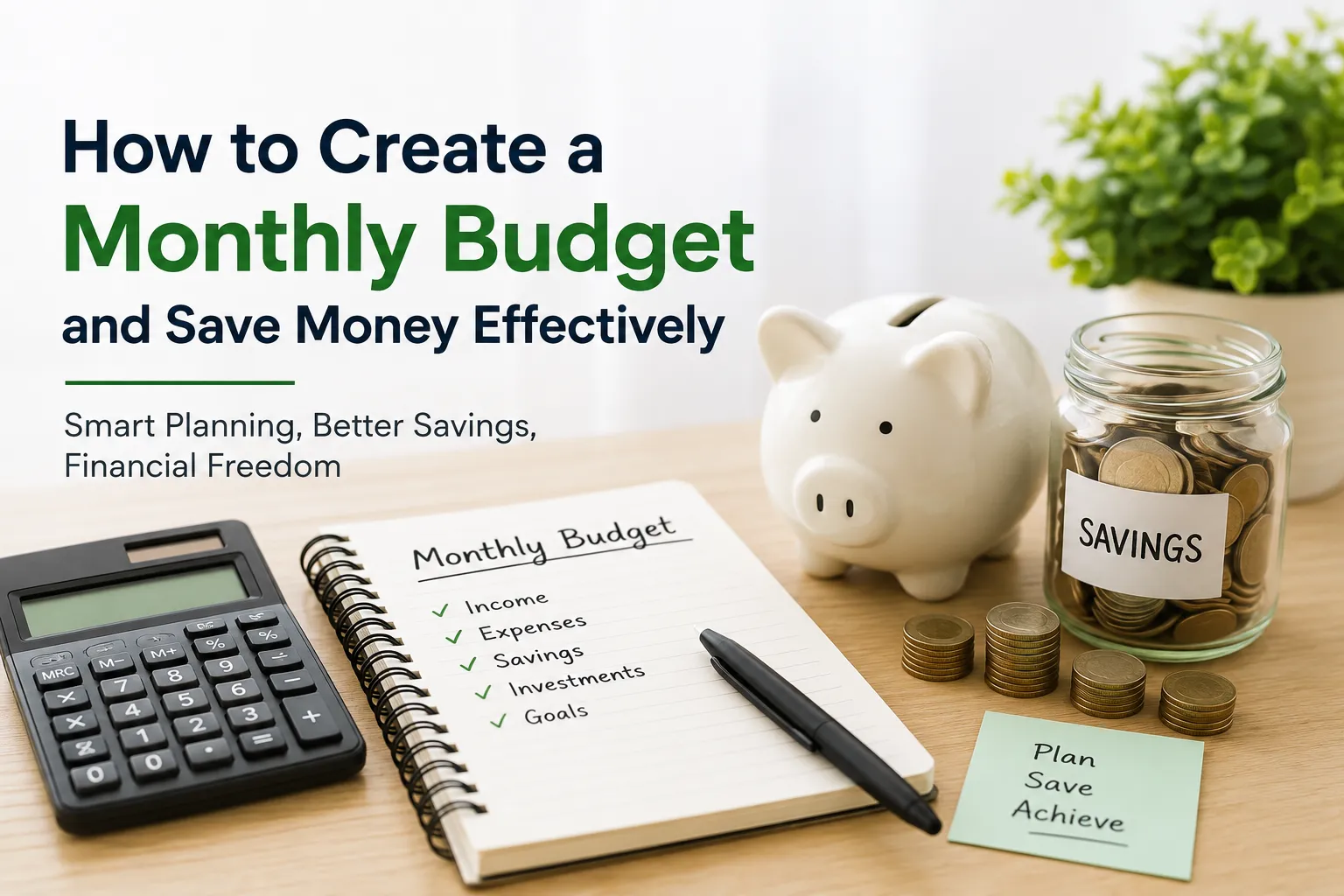
Create a Simple Budget
A basic budget helps you see where your money needs to go before deciding where you can cut back.
Start with these five categories:
- Monthly income
- Essential expenses
- Debt payments
- Flexible spending
- Savings
Use the following table as a starting point and replace the blank amounts with your own numbers:
| Category | Example | Monthly Amount |
| Housing | Rent | $___ |
| Food | Groceries | $___ |
| Transportation | Fuel/Transit | $___ |
| Utilities | Electricity/Internet | $___ |
| Debt | Minimum payments | $___ |
| Savings | Emergency fund | $___ |
| Other | Personal expenses | $___ |
If your essential expenses already consume most of your income, do not force an unrealistic savings percentage. First make sure basic needs and required payments are covered.
Track Where Your Money Goes
You cannot easily reduce expenses you do not understand.
For one month, track every purchase, including small cash transactions. Review:
- Bank and credit-card statements
- Cash purchases
- Subscriptions and memberships
- Frequent convenience purchases
- Food delivery and takeout
- Small recurring charges
Review your spending once a week. Small purchases may seem insignificant individually but can add up over time.
The purpose is not to judge yourself. It is to discover where your money is going so you can make informed choices.
Reduce Your Biggest Monthly Expenses
One of the most useful money-saving tips is to focus on large recurring expenses rather than trying to eliminate every small pleasure.
Lower Grocery Costs
Food is a necessary expense, but there are often ways to make a grocery budget more efficient.
Try to:
- Plan meals before shopping.
- Make a grocery list and stick to it.
- Compare prices and unit prices.
- Buy affordable staples that you regularly use.
- Cook at home more often.
- Reduce food waste.
- Use leftovers for another meal.
Reduce Transportation Costs
Transportation can be another significant monthly expense.
Consider:
- Combining errands into fewer trips.
- Using public transportation when practical.
- Carpooling when possible.
- Walking or cycling for short trips.
- Keeping your vehicle maintained to reduce avoidable repair costs.
The cheapest option is not always practical, so consider safety, time, accessibility, and your work requirements.
Review Housing Costs
Housing is often one of the largest expenses in a household budget. Depending on your circumstances, possible options include:
- Sharing housing when appropriate and safe.
- Reviewing whether you can negotiate certain bills.
- Comparing housing options when your lease ends.
- Moving only when the expected savings justify moving and related costs.
Housing decisions involve more than rent, so consider transportation, deposits, moving expenses, utilities, and stability before making a major change.
Cut Unnecessary Expenses Without Feeling Deprived
Saving money does not mean eliminating everything you enjoy.
Instead, look for spending that provides little value to you. You might:
- Cancel unused subscriptions.
- Reduce impulse purchases.
- Use free entertainment and community activities.
- Look for legitimate discounts.
- Buy used items when appropriate.
- Wait before purchasing non-essential items.
A simple rule can help:
Before buying something non-essential, wait 24 hours and ask whether you actually need it.
This creates a pause between wanting something and spending money on it.
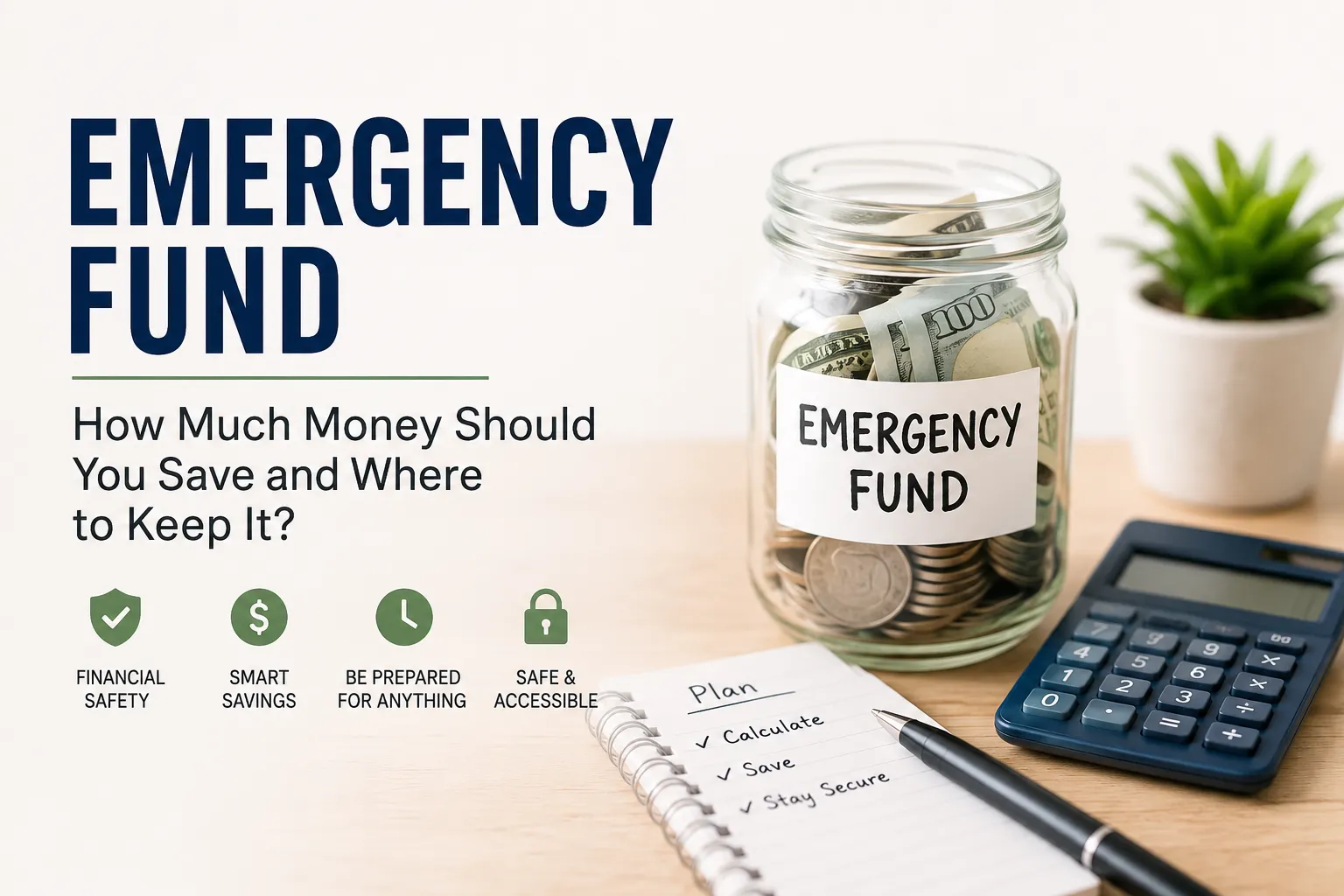
Build a Small Emergency Fund
An emergency fund can provide a financial buffer for unexpected expenses such as repairs, urgent travel, or other necessary costs.
You do not need to begin with a large target. Start with an amount that fits your budget and gradually increase it.
Helpful habits include:
- Automating a small transfer when possible.
- Keeping emergency savings separate from everyday spending.
- Saving part of occasional extra income.
- Increasing your savings amount when your financial situation improves.
The appropriate emergency-fund size depends on your income, household, expenses, job stability, insurance, debt, and other circumstances.
Use the 50/30/20 Rule Carefully
The popular 50/30/20 rule suggests allocating approximately:
- 50% to needs
- 30% to wants
- 20% to savings and debt repayment
It can be a useful budgeting framework, but it is not a requirement—and it may not be realistic for a low-income household.
If essential expenses already exceed half of your income, forcing your budget into these percentages can create unnecessary stress. With a limited income, prioritize essential expenses and required debt payments first, then save whatever amount is realistically possible.
Find Ways to Increase Your Income
Reducing expenses is only one side of personal finance. Increasing income can also create more room in your budget.
Depending on your skills and circumstances, you might:
- Ask for additional hours if available.
- Freelance an existing skill.
- Sell unused items.
- Take occasional temporary work.
- Learn job-related skills.
- Explore better-paying employment opportunities.
None of these options guarantees additional income. Consider the time, costs, taxes, risks, and stability involved before taking on extra work.
Save Money on Food
Try these practical food-saving strategies:
- Cook larger batches.
- Use inexpensive staple foods.
- Compare unit prices.
- Reduce food delivery.
- Bring lunch from home.
- Freeze food before it goes bad.
- Plan meals around ingredients you already have.
A simple weekly meal plan can also reduce last-minute purchases because you already know what you intend to cook.
Avoid Common Money-Saving Mistakes
Some attempts to save money can create bigger problems later. Avoid:
- Trying to cut every expense at once.
- Using credit to maintain a lifestyle you cannot afford.
- Buying unnecessary items simply because they are discounted.
- Ignoring high-interest debt.
- Relying on payday loans as a regular solution.
- Taking financial advice from unverified sources.
- Setting savings targets that leave you unable to cover necessities.
A sustainable budget is usually more useful than an extreme budget that lasts only a few weeks.
Simple Monthly Money-Saving Plan
You do not need to change everything immediately. Try this four-week approach:
| Week | Action |
| Week 1 | Track all spending |
| Week 2 | Cancel or reduce unnecessary expenses |
| Week 3 | Create a realistic grocery and meal plan |
| Week 4 | Set up a small automatic savings transfer |
At the end of the month, review what worked and make one or two additional adjustments.
Frequently Asked Questions
1. How can I save money if I have a very low income?
Start with a small amount that does not interfere with essential expenses. Track spending, reduce avoidable costs, and consider ways to increase income. Even small, consistent savings can establish a useful habit.
2. What is the easiest way to start saving money?
Track your spending and choose a small savings amount you can realistically maintain. Automating the transfer, when available, can make saving easier.
3. How much should I save each month on a low income?
There is no universal amount. Save what your budget can reasonably support after essential expenses and required payments. If your circumstances change, adjust the amount.
4. How can I reduce expenses without feeling miserable?
Focus on low-value spending rather than eliminating everything enjoyable. Keep affordable activities you genuinely value while reducing purchases that do not add much value.
5. How can I save money on groceries?
Plan meals, compare unit prices, use affordable staples, reduce food waste, cook at home, and use leftovers. Buying more is not necessarily cheaper if food goes unused.
Conclusion
Learning how to save money on a low income is not about achieving a perfect budget. It is about making practical choices that improve your financial breathing room over time.
Start by understanding where your money goes, then focus on the expenses that have the greatest impact. Reduce unnecessary spending without eliminating everything you enjoy, and save a small amount whenever your circumstances allow.
If your income is limited, progress may be gradual. That does not make it meaningless. Consistency matters more than a particular savings amount, and improving your income can complement your efforts to reduce expenses.
Personal finance is a process, not a race. Give yourself time to build better habits and adjust your plan as your circumstances change.