
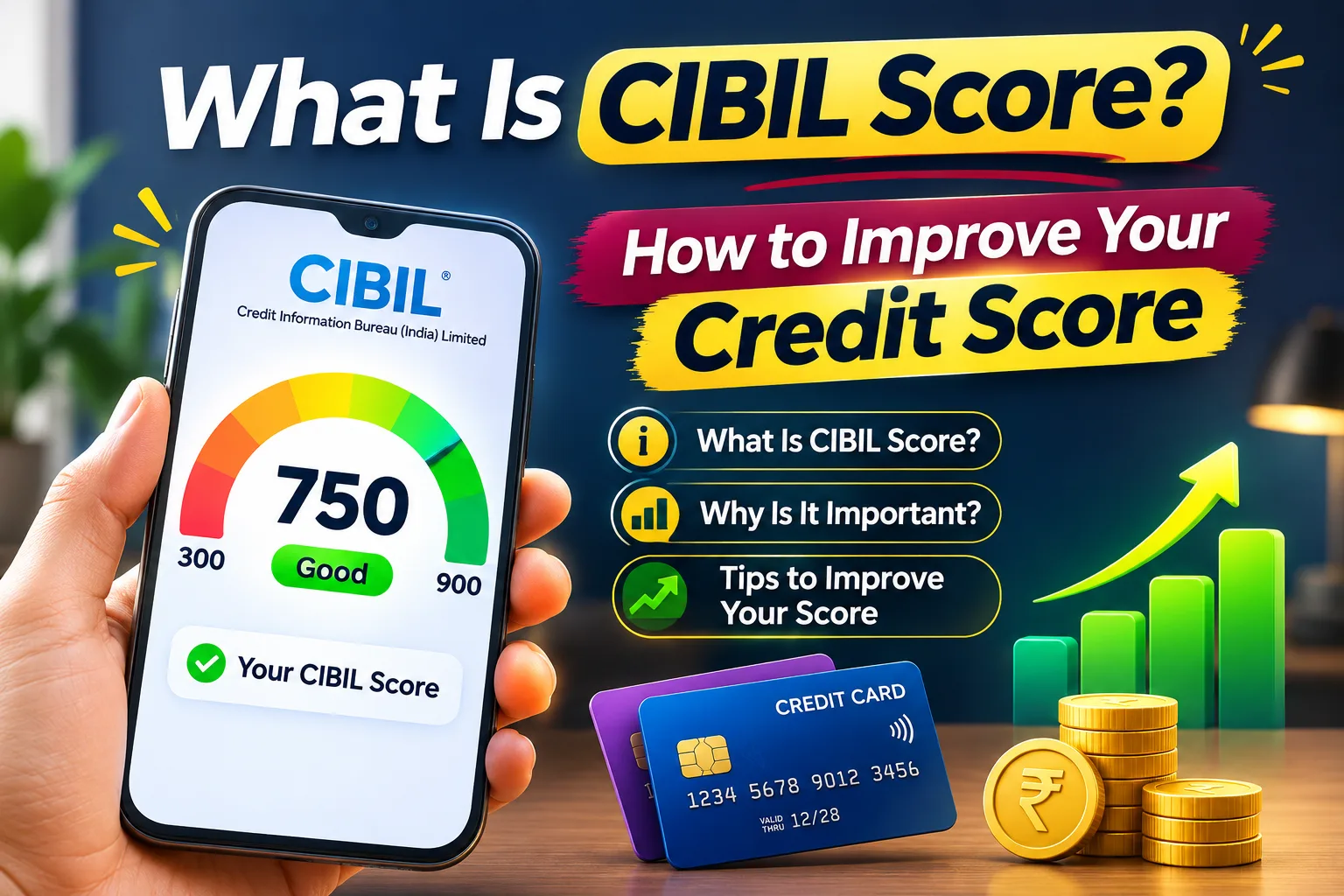
Your financial health is not determined only by how much money you earn or how much you save. The way you borrow money, repay loans and manage credit also plays an important role. This is where a credit score becomes important. Whether you want to apply for a personal loan, purchase a home, finance a vehicle or obtain a credit card, your credit history can influence the financial opportunities available to you.
A CIBIL score is a type of credit score used to represent an individual’s creditworthiness. It helps lenders understand how responsibly someone has managed borrowed money in the past. A strong score can improve your chances of getting credit, while a low score may make borrowing more difficult or expensive.
Many people wonder what a CIBIL score is, how it is calculated, what affects it and how they can improve it. Understanding these questions can help you make better financial decisions and build a healthier credit profile.
What Is a CIBIL Score?
A CIBIL score is a three-digit numerical representation of an individual’s credit history and repayment behaviour. It is generated using information available in a person’s credit report, including borrowing history, repayment records, outstanding balances and credit applications.
The term CIBIL is associated with TransUnion CIBIL, a credit information company. Although credit-scoring systems and score ranges can differ between markets and credit bureaus, the basic purpose is similar: to help financial institutions assess the risk involved in lending money.
In simple terms, a credit score gives lenders an idea of how responsibly you have handled credit in the past. If you regularly pay your loan instalments and credit card bills on time, maintain reasonable outstanding balances and avoid unnecessary borrowing, you may develop a stronger credit profile.
However, a credit score is not a measure of your wealth, salary or overall financial success. Someone with a high income can have a poor credit score if they frequently miss repayments. Similarly, a person with a moderate income can build a healthy credit history by managing borrowing responsibly.
Why Is a CIBIL Score Important?
A credit score can influence several financial decisions. Lenders use credit reports and scoring systems as part of their assessment when someone applies for a loan or credit facility.
Here are some important reasons why maintaining a healthy credit score matters.
1. Improves Loan Approval Chances
When you apply for a loan, lenders generally review your financial background, income, existing obligations and credit history. A strong credit score can indicate that you have managed previous borrowing responsibly.
This may improve your chances of getting approval, although lenders also consider other eligibility requirements. A good score does not guarantee that every loan application will be accepted.
2. Helps You Access Better Interest Rates
Your credit profile may influence the interest rate offered by a lender. People with stronger credit histories may qualify for more favourable borrowing terms, depending on the lender’s policies and the type of loan.
Even a small difference in interest rates can make a noticeable difference to the total amount repaid over several years.
3. Makes Credit Card Applications Easier
Credit card providers often examine credit history before approving applications. A positive repayment record and responsible credit usage can strengthen your application.
It may also help you qualify for cards with more suitable limits and benefits, subject to the provider’s assessment.
4. Supports Long-Term Financial Planning
A healthy credit profile can make future borrowing more manageable. Whether you plan to purchase a property, finance a vehicle or cover an important expense, maintaining good credit habits can give you more flexibility.
5. Builds Financial Credibility
Your credit history reflects how you have handled financial commitments. Consistent repayments, reasonable borrowing and responsible account management demonstrate financial discipline.
This is particularly useful when you need access to credit for important life decisions.
What Is a Good CIBIL Score?
A good credit score generally indicates a history of responsible borrowing and timely repayments. However, there is no single scoring range used by every credit bureau or country.
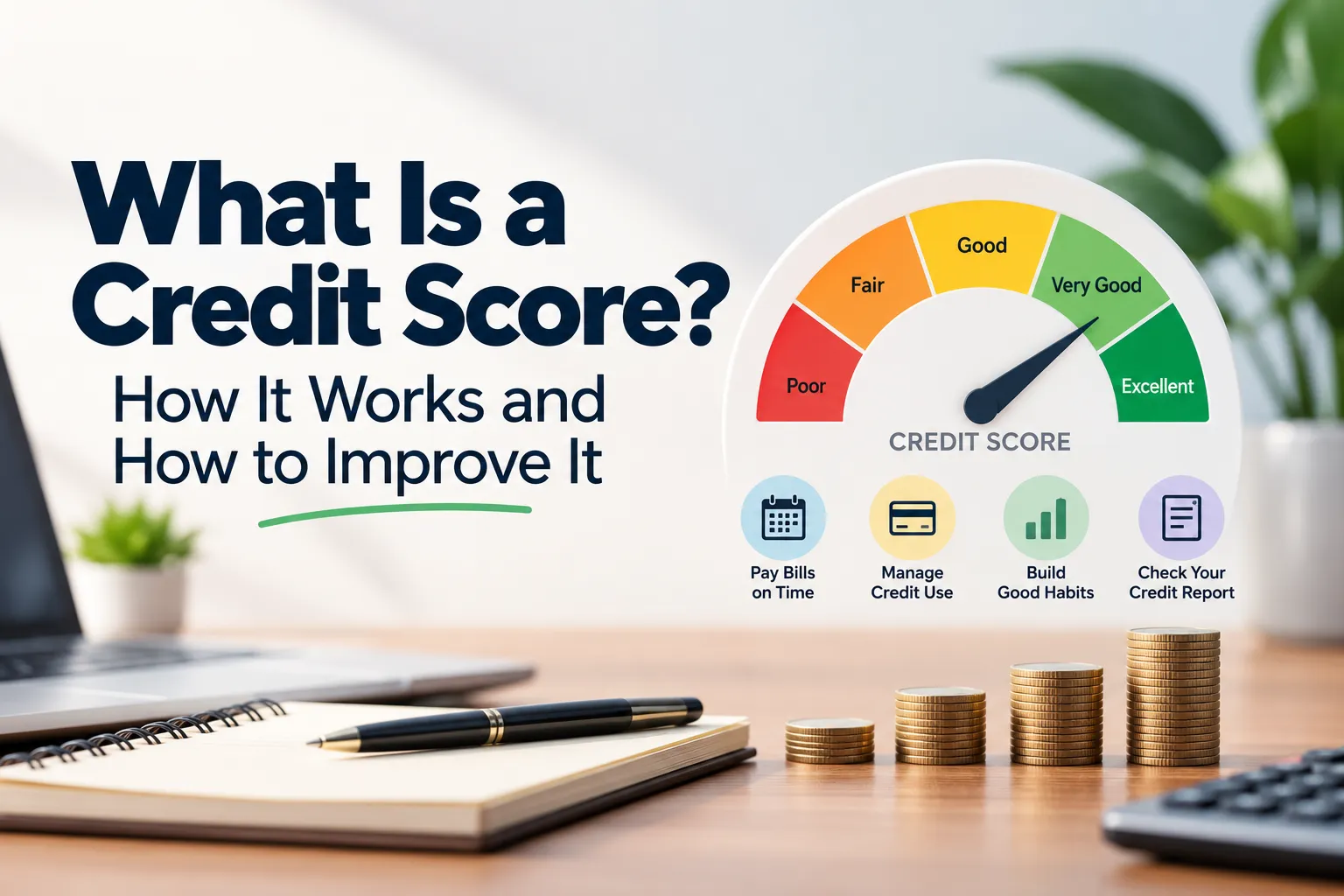
For the TransUnion CIBIL scoring system, the commonly used range is 300 to 900. Within this system, a score closer to the upper end is generally considered stronger.
The interpretation of a score can vary depending on the lender, financial product and credit assessment model. Therefore, it is important to understand the scoring system used in your particular market rather than assuming that every credit score follows the same range.
A higher score can improve your credit profile, but lenders may also examine your income, employment stability, existing debt, repayment capacity and other financial details.
Instead of focusing only on reaching a particular number, concentrate on building consistent financial habits.
How Is a CIBIL Score Calculated?
A credit score is calculated using different details from your credit history. The exact formula is generally proprietary, meaning credit bureaus do not publicly disclose every calculation or the precise weight assigned to each factor.
However, several major elements commonly influence credit scores.
1. Payment History
Payment history is one of the most important factors in many credit-scoring systems. It shows whether you have paid your loan instalments, credit card bills and other reported credit obligations on time.
Missing a payment, making repeated late payments or allowing an account to become seriously overdue can negatively affect your credit profile.
For this reason, paying every credit obligation before its due date is one of the most effective ways to maintain a healthy score.
2. Credit Utilisation Ratio
Credit utilisation refers to how much of your available revolving credit you are currently using.
For example, imagine that your credit card has an available limit of 5,000 units and your outstanding balance is 2,000 units. Your utilisation ratio is 40%.
A high utilisation ratio may suggest that you depend heavily on borrowed credit. Maintaining a lower balance relative to your available limit is generally considered a healthier approach.
However, the ideal utilisation level can vary between scoring models. Paying your outstanding balance regularly and avoiding unnecessary spending can help you manage this factor.
3. Length of Credit History
The age of your credit accounts can also influence your credit profile. A longer history gives lenders more information about your borrowing and repayment behaviour.
If you have consistently managed credit accounts over several years, your credit report may provide a clearer picture of your financial habits.
Closing old accounts without considering the possible impact may sometimes affect your credit profile. Before closing an account, understand how it could influence your credit history and available credit.
4. Credit Mix
Credit mix refers to the different types of credit you have used. These may include secured loans, unsecured loans and revolving credit facilities.
A balanced credit profile can provide information about how you manage different financial commitments. However, you should never take unnecessary loans simply to create a wider credit mix.
Borrowing should always be based on genuine financial needs and repayment capacity.
5. New Credit Applications
Every time you apply for certain types of credit, a lender may request information from a credit bureau. Such requests are often recorded as hard inquiries.
Applying for several loans or credit cards within a short period may indicate that you are actively seeking additional credit. Multiple hard inquiries can affect your credit score, depending on the scoring model.
It is better to compare available options carefully and apply only when you genuinely need credit.
How to Improve Your CIBIL Score
Improving a credit score requires patience, consistency and responsible financial management. There is no reliable shortcut that can instantly transform a poor credit history into an excellent one.
The following steps can help you gradually build a stronger credit profile.
1. Always Pay Your Bills on Time
Timely repayment is one of the most important habits for maintaining good credit.
Make sure you pay your credit card bills, loan instalments and other reported credit obligations before their due dates. Even a small missed payment may create problems if it is reported to the credit bureau.
You can use automatic payment instructions, calendar reminders or banking alerts to avoid forgetting important due dates.
If you are facing temporary financial difficulties, contact your lender as early as possible to understand the available repayment options.
2. Keep Your Credit Card Balances Low
Using a large portion of your available credit can increase your utilisation ratio.
Try to avoid regularly reaching your credit limit. Pay down outstanding balances and plan purchases according to your repayment capacity.
For example, if your available credit is 10,000 units, maintaining an outstanding balance of 2,000 units represents 20% utilisation. This is generally a healthier position than consistently using almost the entire limit.
Remember that paying only the minimum amount due may keep your account from becoming overdue, but it can still leave you with expensive interest charges and a growing balance.
3. Avoid Applying for Multiple Loans at Once
Submitting several credit applications within a short period may result in multiple hard inquiries.
Before applying, compare lenders, interest rates, fees and eligibility requirements. Choose an option that matches your financial situation instead of submitting applications everywhere.
A carefully planned application is generally better than repeatedly seeking credit without a clear requirement.
4. Check Your Credit Report Regularly
Your credit report contains important information about your borrowing history. Reviewing it regularly can help you identify mistakes, unfamiliar accounts, incorrect outstanding balances or repayment information that has not been updated.
If you notice inaccurate information, raise a dispute with the relevant credit bureau and follow its correction process.
Do not ignore unfamiliar credit accounts. They may indicate reporting errors or potential identity-related misuse that requires investigation.
5. Maintain Older Credit Accounts Responsibly
A longer credit history can provide useful information about your repayment behaviour.
If an older credit card or account has no unnecessary charges and remains manageable, keeping it active may help preserve the length of your credit history and available credit.
However, keeping an account open is not always beneficial if it carries high fees, creates debt or encourages unnecessary spending. Consider the overall financial impact before making a decision.
6. Avoid Unnecessary Debt
Taking loans simply because they are available can create long-term financial pressure.
Before borrowing, calculate the monthly repayment amount, interest cost, fees and total financial commitment. Make sure your regular income can comfortably support the repayment.
Responsible borrowing is more important than having several active credit accounts.
7. Build Credit History Gradually
People who have never borrowed money may have limited credit information. Depending on the scoring system, they may have a thin credit file or no established score.
If you need to build credit, consider a suitable credit product with manageable terms and use it carefully. Make small, planned purchases and repay the outstanding amount on time.
There is no need to borrow more than you can afford simply to establish a credit history.
8. Reduce Existing Outstanding Debt
If you already have multiple loans or high credit card balances, focus on reducing your outstanding debt.
Start by understanding the interest rates, minimum payments and repayment deadlines for each account. Prioritise expensive debt while ensuring that you continue making all required minimum payments.
Reducing debt can improve your overall financial position and may gradually support a healthier credit profile.
9. Avoid Becoming a Guarantor Without Understanding the Risk
When you agree to guarantee someone else’s loan, you may take on financial responsibility if the borrower fails to repay.
The exact impact on your credit profile depends on the agreement and applicable reporting rules. Before becoming a guarantor or co-borrower, understand the obligations and possible consequences.
Never agree to a financial commitment simply because someone asks for help.
10. Be Patient and Consistent
Credit scores do not necessarily improve immediately after you make a repayment or clear an outstanding balance.
Credit bureaus receive information from lenders periodically, and updates may take time to appear in your report. Negative information can also remain for a period determined by applicable reporting rules.
Continue following good financial habits and monitor your credit report to understand your progress.
How Long Does It Take to Improve a CIBIL Score?
The time required to improve a credit score depends on the condition of your existing credit history and the reasons behind a low score.
If your score has fallen because of high credit card utilisation, reducing outstanding balances may help once the updated information reaches the credit bureau.
However, if your credit report contains repeated late payments, defaults or serious repayment issues, rebuilding your profile may take considerably longer.
People with limited credit histories may also need time to establish a consistent repayment record.
There is no fixed timeline that applies to everyone. The most reliable approach is to correct reporting errors, reduce unnecessary debt, make timely payments and avoid new financial commitments that you cannot manage.
Common Mistakes That Can Lower Your Credit Score
Many people unintentionally damage their credit profiles because they do not understand how borrowing behaviour affects credit reporting.
Some common mistakes include:
Missing payment deadlines: Late loan instalments and credit card payments can negatively affect your repayment history.
Using the entire credit limit: Consistently maintaining high credit card balances can increase credit utilisation.
Applying for too many credit products: Frequent applications may create multiple hard inquiries and signal increased demand for borrowing.
Ignoring credit report errors: Incorrect account information or unfamiliar transactions should be investigated promptly.
Closing accounts without planning: Closing older accounts may affect the age of your credit history or available credit, depending on the scoring model.
Borrowing beyond your repayment capacity: Too many financial commitments can make it difficult to maintain timely payments.
Avoiding these mistakes can help you maintain better control over your financial health.
Does Checking Your Own Credit Score Reduce It?
One common misconception is that checking your own credit score automatically lowers it.
In many credit-scoring systems, checking your own credit report or score is treated as a soft inquiry. Soft inquiries generally do not reduce your score.
A hard inquiry is different. It usually occurs when a lender checks your credit report as part of a formal credit application.
Therefore, reviewing your credit score regularly is generally a sensible financial habit. It allows you to monitor changes, identify possible errors and understand your credit position without unnecessarily worrying about the act of checking it.
Can You Improve Your Credit Score Without Taking a Loan?
Yes. You do not necessarily need to take a new loan to improve an existing credit profile.
If you already have reported credit accounts, you can focus on paying them on time, reducing outstanding balances, avoiding unnecessary applications and correcting errors in your credit report.
If you have no borrowing history, building a credit profile may require an eligible credit product, depending on the reporting system and financial products available to you.
The important point is that taking unnecessary debt is not a good strategy for improving your score. Financial stability should always come before chasing a particular number.
CIBIL Score vs Credit Report: What Is the Difference?
Although people often use these terms together, a credit score and a credit report are not the same thing.
A credit score is a numerical summary of your creditworthiness. It provides a quick indication of how your credit history may be viewed by lenders.
A credit report is a more detailed record of your credit accounts and repayment behaviour. It may include information about loans, credit cards, outstanding balances, payment history, account status and credit inquiries.
For example, your credit score may indicate that your credit profile needs improvement. Your credit report can help you understand why. It may show missed payments, high balances or incorrect account details.
This is why checking both your credit score and credit report is important. The score tells you where you stand, while the report helps you identify what needs attention.
Final Thoughts
A healthy CIBIL score is an important part of responsible financial management. It can influence your ability to access loans, obtain credit cards and secure favourable borrowing terms. However, improving your credit profile is not about finding shortcuts or taking unnecessary loans.
It is about developing consistent financial habits. Pay your bills on time, maintain manageable credit card balances, reduce existing debt and review your credit report regularly. Avoid applying for multiple credit products without a genuine need, and investigate any incorrect information as soon as you notice it.
Remember that a credit score reflects your credit history, not your personal worth or financial potential. Even if your score is currently low, responsible decisions can help you rebuild your credit profile over time.
The best time to start improving your credit health is now. Small, consistent financial decisions today can create better borrowing opportunities in the future.
FAQs
1. What is a CIBIL score?
A CIBIL score is a numerical representation of an individual’s credit history and repayment behaviour. It helps lenders assess creditworthiness when reviewing loan and credit card applications.
2. What is considered a good CIBIL score?
The meaning of a good score depends on the credit bureau and scoring system. In the TransUnion CIBIL system, scores closer to 900 generally indicate stronger credit profiles. Lenders may use additional criteria when evaluating applications.
3. How can I improve my CIBIL score quickly?
Start by paying outstanding bills, reducing credit card balances, avoiding unnecessary credit applications and correcting errors in your credit report. The speed of improvement depends on your existing credit history and reporting updates.
4. Does checking my credit score reduce it?
Checking your own credit score is generally considered a soft inquiry and does not reduce your score. However, a lender’s hard inquiry during a formal credit application may affect it.
5. Can I get a loan with a low CIBIL score?
It may be possible, but approval depends on the lender’s eligibility requirements, income assessment, existing debt and credit history. Some lenders may charge higher interest rates or require additional conditions.
6. How long does it take to improve a credit score?
There is no universal timeline. Some improvements may appear after updated account information is reported, while rebuilding a history affected by repeated missed payments can take much longer.
7. Does closing a credit card affect my CIBIL score?
Closing a credit card may affect your available credit and the length of your credit history, depending on the scoring model. Consider the fees, account age and overall financial impact before closing an account.
8. Can someone have no credit score?
Yes. People who have never used reported credit products may have limited or no credit history. This does not automatically mean they have a poor credit score; it may simply mean there is insufficient information to calculate one.