
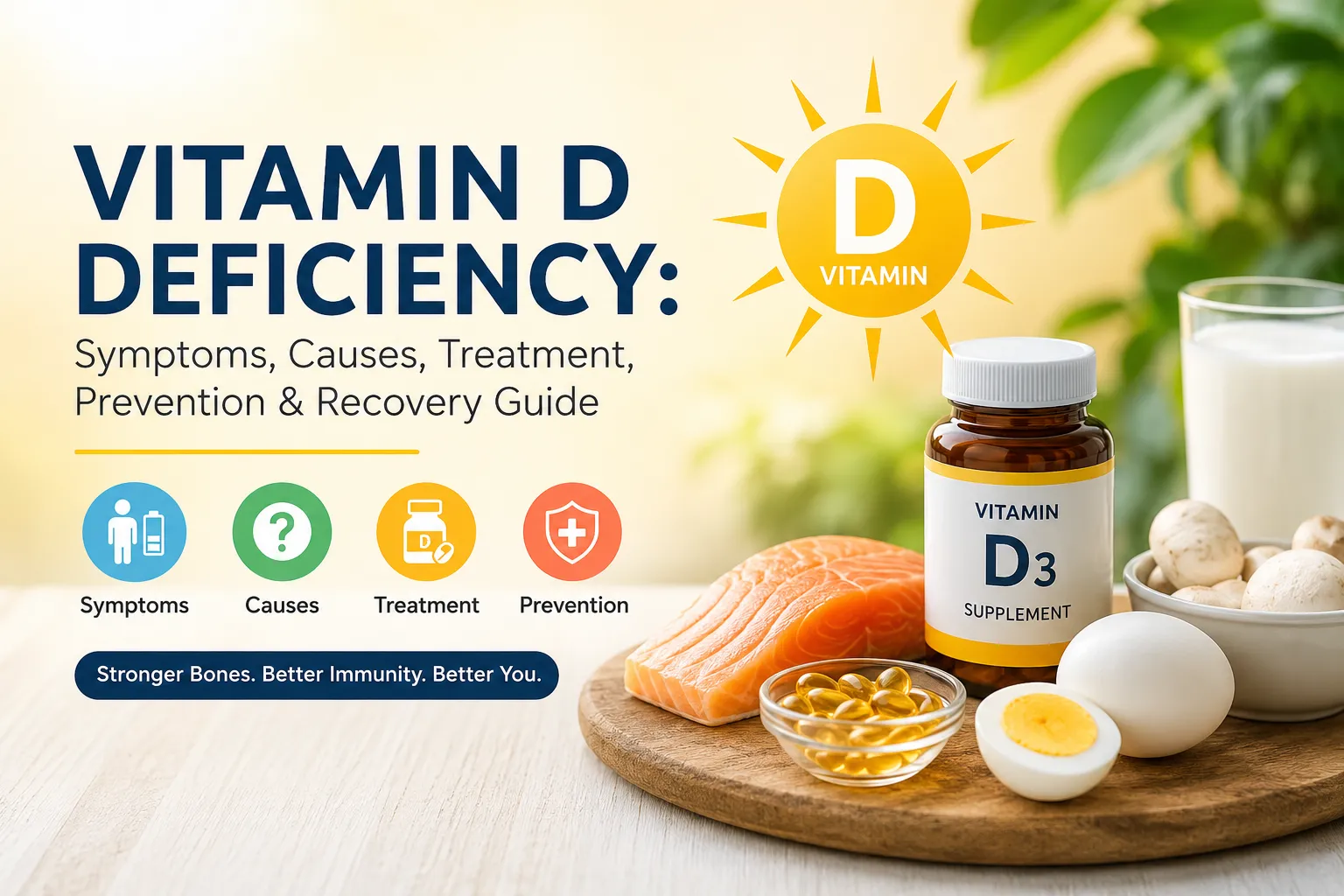
Vitamin D is known as the “sunshine vitamin” because our body makes vitamin D naturally in our skin when we are sunbathing. However, despite residing in sunny climes, millions of people worldwide are deficient in vitamin D, which makes it one of the most common nutrient deficiencies. Vitamin D contributes to the functioning of our bones and muscles, our immune system and brain health, and our ability to absorb calcium. Once vitamin D levels drop too low; your body begins to display signs of deficiency that should never be ignored.
What Is Vitamin D Deficiency?
Vitamin D deficiency is a condition in which the body does not have sufficient levels of vitamin D to enable normal function of bones, muscles and the immune system. Without sufficient amounts of vitamin D, calcium and phosphorus cannot be properly absorbed from food, weakening bones and joints, and increasing the likelihood of fractures, osteoporosis, and various other illnesses. Based on global research, there are estimated to be close to one billion vitamin D deficient people living worldwide.
Top Symptoms of Vitamin D Deficiency
Many people experience symptoms gradually, making them easy to overlook.
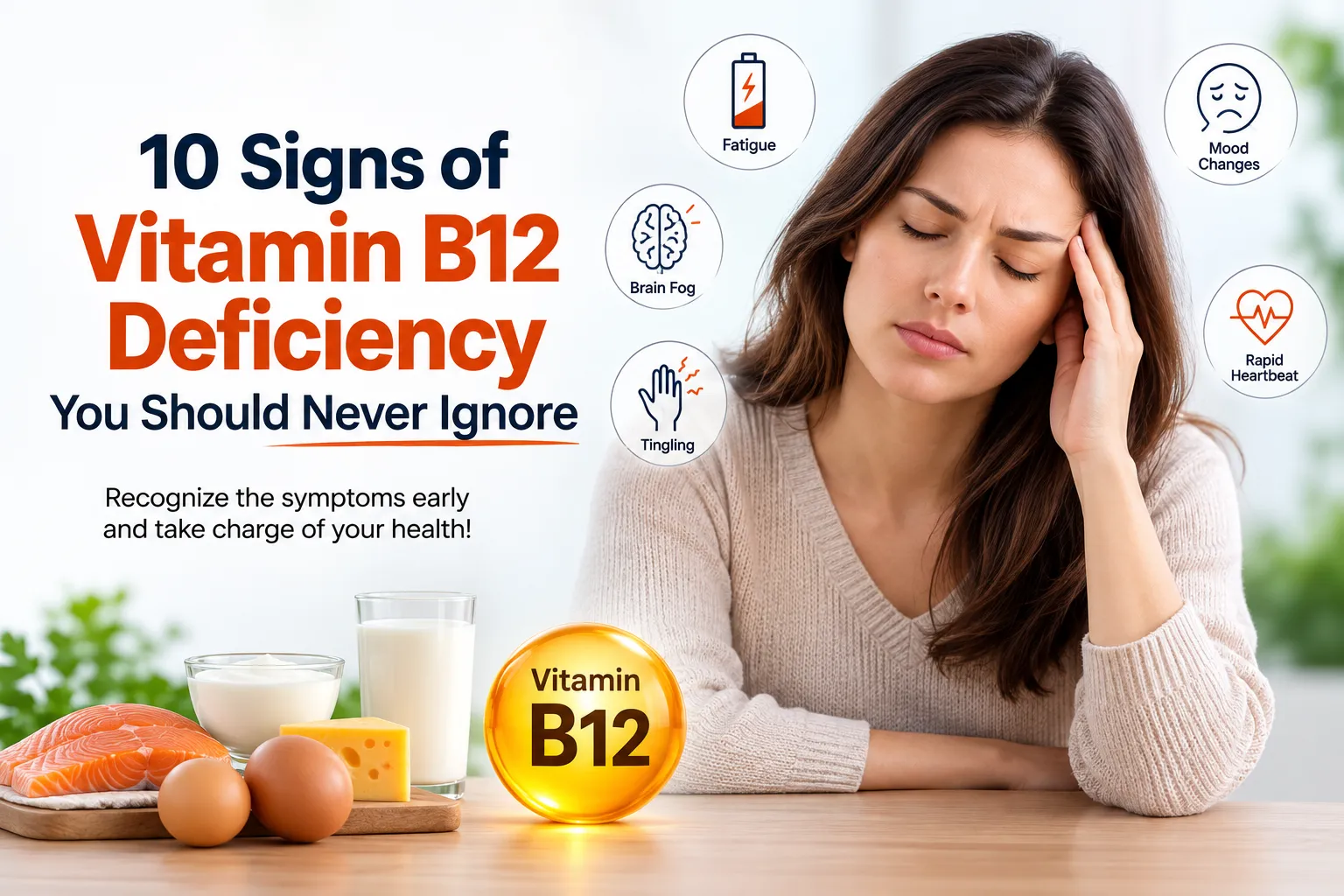
1. Constant Fatigue and Low Energy
If you often feel tired even after a good night’s sleep, you may have a vitamin D deficiency. Chronic fatigue and lack of vitality have been associated with low vitamin D blood serum levels.
2. Frequent Illness and Infections
Vitamin D supports immune system regulation. Deficiency may weaken immune responses, making individuals more vulnerable to colds, flu, respiratory infections, and prolonged illnesses.
3. Bone and Back Pain
Low vitamin D can impair calcium absorption, resulting in bone discomfort, lower back pain, and increased skeletal weakness.
4. Muscle Weakness and Cramps
People with deficiency often experience muscle aches, weakness, cramps, and reduced physical performance. Severe deficiency can affect mobility and balance.
5. Depression and Mood Changes
Several studies suggest a connection between low vitamin D levels and mood disorders, including anxiety and depression. Vitamin D receptors are present in areas of the brain involved in emotional regulation.
6. Slow Wound Healing
Cuts, injuries, and surgical wounds may heal more slowly when vitamin D levels are insufficient because the vitamin supports tissue repair and inflammation control.
7. Hair Loss
Although hair loss can have multiple causes, severe vitamin D deficiency has been associated with increased hair shedding and certain autoimmune hair disorders.
8. Increased Risk of Fractures
Long-term deficiency weakens bones, increasing the likelihood of fractures, osteoporosis, and falls, especially in older adults.
Major Causes of Vitamin D Deficiency
Lack of Sun Exposure
The most common cause is insufficient exposure to sunlight. Modern indoor lifestyles, office work, excessive sunscreen use, and air pollution reduce the skin’s ability to produce vitamin D.
Poor Dietary Intake
Very few foods naturally contain vitamin D. Individuals who consume limited fish, eggs, dairy products, or fortified foods may develop deficiency over time.
Darker Skin Tone
Higher melanin levels reduce the skin’s ability to produce vitamin D from sunlight, increasing deficiency risk.
Obesity
Vitamin D can become trapped in body fat, making it less available for use by the body.
Digestive Disorders
Conditions such as Crohn’s disease, celiac disease, inflammatory bowel disease, and pancreatic disorders may impair vitamin D absorption.
Liver and Kidney Disorders
These organs help activate vitamin D. Diseases affecting either organ may reduce the body’s ability to utilize vitamin D effectively.
Certain Medications
Some medications interfere with vitamin D metabolism and absorption, increasing deficiency risk.
Health Risks of Untreated Vitamin D Deficiency
Ignoring low vitamin D levels can lead to serious complications, including:
- Osteoporosis
- Osteomalacia (softening of bones)
- Rickets in children
- Increased fracture risk
- Muscle weakness
- Impaired immune function
- Chronic pain
- Higher risk of certain chronic diseases
Research continues to explore vitamin D’s role in immune regulation, inflammation, cardiovascular health, and metabolic disorders.
How Is Vitamin D Deficiency Diagnosed?
The best way to check is a blood test called the 25 hydroxyvitamin D [25(OH)D] test. This test is used by doctors to check if levels of vitamin D are high enough, too low or if the individual is lacking.
Best Treatments for Vitamin D Deficiency
1. Vitamin D Supplements
Healthcare providers commonly prescribe vitamin D3 (cholecalciferol), which is generally more effective at raising blood levels than vitamin D2.
Common treatment approaches may include:
- Daily supplementation
- Weekly high-dose therapy
- Maintenance doses after deficiency correction
The exact dosage depends on blood test results, age, body weight, and underlying health conditions. Some clinical reviews report that approximately 5,000 IU daily may be required to correct deficiency in certain individuals, while maintenance doses are often lower and individualized by healthcare providers.
2. Safe Sun Exposure
Regular sunlight exposure remains one of the most natural ways to improve vitamin D status. Experts recommend moderate exposure while avoiding sunburn.
3. Vitamin D-Rich Foods
Increase intake of foods naturally rich in vitamin D:
- Salmon
- Tuna
- Sardines
- Mackerel
- Egg yolks
- Mushrooms exposed to UV light
- Cod liver oil
Fortified foods include:
- Milk
- Yogurt
- Breakfast cereals
- Plant-based milk alternatives
4. Adequate Calcium Intake
Vitamin D and calcium work together to maintain strong bones. Ensuring adequate calcium intake supports recovery and long-term bone health.
Prevention Tips
Preventing vitamin D deficiency is often easier than treating it.
Practical Prevention Strategies
- Spend time outdoors regularly.
- Consume vitamin D-rich foods.
- Include fortified foods in your diet.
- Maintain a healthy body weight.
- Get routine blood tests if you are at risk.
- Take supplements under medical supervision when necessary.
Can Too Much Vitamin D Be Harmful?
Yes. Excessive supplementation can lead to vitamin D toxicity, causing high calcium levels, nausea, vomiting, kidney stones, confusion, dehydration, and other serious complications. Supplements should always be taken according to medical advice.
Final Thoughts
Low vitamin D levels are a silent, yet common health problem, associated with tiredness, infections, broken bones, weak muscles, depression and low mood. Symptoms of vitamin D deficiency such as tiredness, infection and a general feeling of being unwell should not be ignored. Many cases can be easily treated with a combination of sensible sunshine exposure, diet and supplementation.