

Starting a business does not always require a large investment, an office, or a big team. In India, many aspiring entrepreneurs begin with limited savings and build their businesses gradually. With the right idea, practical planning, and a clear understanding of customer needs, even a small business can become a sustainable source of income.
If you are searching for small business ideas in India with low investment, there are several options worth exploring. These include home-based businesses, online services, food businesses, reselling, digital marketing, tutoring, and small-scale manufacturing. Some require specialised skills, while others can be started with basic equipment and a small working budget.
The best business idea depends on your budget, location, experience, available time, and target customers. Instead of investing heavily at the beginning, you can test demand on a small scale, build a customer base, and expand as revenue grows.
What Are the Best Small Business Ideas in India With Low Investment?
Some of the most practical low-investment business ideas in India include digital marketing services, home-based food businesses, tuition classes, social media management, tailoring, online reselling, cleaning services, and customised gift businesses. These models can often begin from home and expand as customer demand increases.
The investment required varies depending on equipment, rent, licences, marketing, inventory, and working capital. A service-based business may need less upfront money than a manufacturing or retail business, although it still requires time, skills, and customer acquisition.
25 Small Business Ideas in India With Low Investment
1. Digital Marketing Services
Digital marketing is a promising business option for people who understand online promotion, content creation, search engine optimisation, social media, or paid advertising. Many local businesses want more customers online but cannot afford a large marketing agency.
You can start by offering one or two services, such as SEO, Google Business Profile optimisation, social media management, or website content. As you gain experience, you can expand your services and build a small team.
Estimated starting budget: ₹5,000–₹30,000, assuming you already have a suitable computer and internet connection.
How to get customers: Approach local shops, clinics, restaurants, manufacturers, real estate businesses, and service providers. Create a portfolio with sample work and measurable results from legitimate projects.
2. Home-Based Tiffin Service
A tiffin service can work well in areas with students, office employees, paying guests, and working professionals. Customers often look for affordable, hygienic, home-style meals delivered regularly.
You can start with a limited menu and serve customers within a small delivery radius. A subscription model can make demand easier to estimate and help reduce food waste.
Estimated starting budget: ₹10,000–₹40,000, depending on existing kitchen equipment and delivery arrangements.
Before starting, check the applicable FSSAI registration or licensing requirements, local rules, packaging costs, and food safety obligations.
3. Online Reselling Business
Online reselling allows you to sell products without immediately investing in a large shop or warehouse. Potential categories include clothing, accessories, home décor, stationery, and selected lifestyle products.
Start with a narrow product category and research customer demand, supplier reliability, shipping charges, return rates, and profit margins. Avoid buying large quantities before you understand which products sell.
Estimated starting budget: ₹5,000–₹25,000 for a small inventory-based model. A supplier-fulfilled model may require a different budget.
Your actual profit will depend on purchase prices, delivery, marketplace fees, returns, and customer acquisition costs.
4. Tuition and Coaching Classes
If you have strong knowledge of a school subject, language, computer skills, or an entrance-exam topic, tutoring can be a practical small business.
You can begin with individual lessons, small groups, or online classes. Starting from home reduces rent expenses, while a clear teaching schedule helps you manage several students.
Estimated starting budget: ₹2,000–₹15,000 if you already have a suitable teaching space.
Build trust through trial classes, parent referrals, structured learning plans, and regular progress updates.
5. Social Media Management
Many small businesses need help creating posts, writing captions, replying to customers, and maintaining a consistent online presence.
You can provide monthly packages covering content calendars, basic graphic design, short-form videos, and performance reports. Start with a few clients rather than promising services you cannot deliver consistently.
Estimated starting budget: ₹3,000–₹15,000 if you have a smartphone or computer.
A focused niche, such as restaurants, salons, educational institutes, or local retailers, can help you develop a stronger portfolio.
6. Homemade Snacks and Bakery Products
Homemade snacks, cakes, cookies, pickles, and regional food products can attract customers through local networks and repeat orders.
Choose products that can be prepared safely, packaged properly, and delivered without compromising quality. Start with pre-orders to reduce unsold stock.
Estimated starting budget: ₹8,000–₹35,000, depending on equipment and ingredients.
Food businesses must assess applicable registration, labelling, hygiene, and other compliance requirements before selling.
7. Freelance Content Writing
Businesses need website pages, blog articles, product descriptions, newsletters, and marketing copy. If you can research topics and write clearly, content writing can become a home-based business.
Build a portfolio with a few high-quality samples in a specific niche. You can approach agencies, publishers, startups, and businesses that need regular content.
Estimated starting budget: ₹2,000–₹10,000 if you already have a computer and internet access.
Focus on accuracy, original writing, useful research, and meeting deadlines. Long-term clients are often more valuable than constantly searching for one-off assignments.
8. Tailoring and Alteration Services
Tailoring is a practical option for people with sewing skills and access to a local customer base. Services can include clothing alterations, blouse stitching, uniform orders, repairs, and customised garments.
You can begin from home with a sewing machine and essential tools. As demand increases, you may add more equipment or employ another tailor.
Estimated starting budget: ₹8,000–₹30,000, depending on the equipment you already own.
Reliable delivery times, accurate measurements, and consistent stitching quality can encourage repeat business.
9. Mobile Accessories Business
Phone covers, charging cables, screen protectors, stands, and other accessories have a broad customer base. You can sell through local networks, online channels, or a small retail setup.
Start with a limited range of products compatible with popular devices. Check product quality, supplier reliability, warranty terms, and competition before investing in inventory.
Estimated starting budget: ₹10,000–₹40,000 for a small inventory-based model.
Avoid stocking too many slow-moving products, as changing phone models and customer preferences can make some inventory difficult to sell.
10. Home Cleaning Services
Residential cleaning services can target apartments, independent homes, tenants moving in or out, and busy professionals.
You can begin with basic cleaning equipment and a clearly defined service package. More specialised services, such as deep cleaning or upholstery cleaning, may require additional equipment and training.
Estimated starting budget: ₹10,000–₹35,000, depending on equipment and transport.
Customer trust, punctuality, transparent pricing, and safe handling of cleaning products are important for repeat business.
11. Customised Gifts and Printing
Personalised mugs, photo frames, printed T-shirts, corporate gifts, and customised stationery are popular for birthdays, weddings, festivals, and business events.
You do not need to purchase every machine at the beginning. You can take orders, create designs, and work with an established printing partner until demand justifies buying equipment.
Estimated starting budget: ₹5,000–₹25,000 for a partner-based model.
Build a catalogue of samples, offer clear delivery timelines, and collect suitable advance payments for customised orders.
12. Website Development Services
Small businesses need websites for product information, enquiries, bookings, and online sales. If you know WordPress, website design, or basic web development, you can provide websites and ongoing maintenance.
Begin with simple business websites and gradually add landing pages, e-commerce functionality, speed optimisation, backups, and technical support.
Estimated starting budget: ₹5,000–₹25,000 if you already own a computer.
A clear scope of work, written payment terms, and a maintenance agreement can help prevent disputes and create recurring revenue.
13. Handmade Products Business
Candles, handmade jewellery, decorative items, gift hampers, and craft products can be sold through social media, exhibitions, local stores, and online marketplaces.
Start with a small collection and test which products receive genuine orders. Include packaging, labour, delivery, damaged goods, and marketplace charges when calculating your prices.
Estimated starting budget: ₹5,000–₹20,000, depending on the materials and products.
Distinctive designs, good product photography, and dependable packaging can help a small brand stand out.
14. Event Planning and Decoration
Small events such as birthdays, baby showers, anniversaries, and intimate family functions create opportunities for event planning and decoration services.
You can start with a few reusable decorations and collaborate with photographers, caterers, venues, and rental suppliers. Taking bookings before purchasing additional materials can help control costs.
Estimated starting budget: ₹10,000–₹40,000 for a small-scale operation.
Maintain a portfolio, use written quotations, and define what is included in each package.
15. Photography and Videography
Photography services can include family portraits, product photography, small events, food photography, and social media videos.
If you already have a suitable camera or smartphone, you can start with basic shoots and reinvest earnings in lighting and other equipment. Product photography may be particularly useful for online sellers and local manufacturers.
Estimated starting budget: ₹5,000–₹30,000 if you already own suitable equipment.
Your portfolio, editing quality, turnaround time, and client experience matter more than buying expensive equipment immediately.
16. Local Delivery and Errand Services
A local delivery service can help shops, home businesses, pharmacies where legally permitted, and customers who need items transported within a neighbourhood.
Start within a small service area and calculate travel time, fuel, vehicle maintenance, and failed deliveries. You may also partner with existing businesses instead of operating a large delivery network.
Estimated starting budget: ₹5,000–₹20,000 if you already have a suitable vehicle.
Clear delivery charges, reliable communication, and proof of delivery can help establish trust.
17. Digital Products and Online Courses
People with specialised knowledge can sell templates, educational resources, guides, design assets, or online courses. Examples include Excel templates, study notes, business checklists, and beginner training programmes.
Creating a useful product requires research, production time, and marketing. Sales are not automatic, so begin with a focused problem and test demand before building a large course.
Estimated starting budget: ₹2,000–₹15,000, depending on production and promotional needs.
Make sure you own or have permission to use all included text, images, software assets, and other materials.
18. Laundry and Ironing Services
Laundry collection, ironing, and doorstep delivery can serve students, working professionals, and residential communities.
You can start with ironing and collection services or collaborate with an existing laundry facility rather than purchasing industrial equipment.
Estimated starting budget: ₹5,000–₹25,000 for a small collection or ironing model.
Use a clear pricing system, label customer garments carefully, and create a reliable process for handling delays or damaged items.
19. Plant Nursery and Gardening Services
A small nursery can sell indoor plants, pots, gardening supplies, seedlings, and basic plant-care services. Gardening and balcony setup services can provide additional revenue.
Begin with plants suited to your climate and customer demand. Account for watering, sunlight, plant mortality, transport, and seasonal sales.
Estimated starting budget: ₹5,000–₹25,000 for a small home-based operation.
Local delivery and practical plant-care advice can help you differentiate your business from general online sellers.
20. Bookkeeping and Basic Accounting Support
Small businesses often need help organising invoices, tracking expenses, preparing records, and maintaining spreadsheets.
If you have appropriate accounting skills, you can offer record organisation and bookkeeping support within your competence. Regulated tax, audit, and professional certification work must be handled in accordance with applicable requirements.
Estimated starting budget: ₹3,000–₹15,000 if you already have a computer.
Accuracy, confidentiality, secure record handling, and clear service boundaries are essential for earning client trust.
21. Home-Based Daycare
A daycare service can support working parents who need dependable childcare near their homes or workplaces.
This business requires careful planning around child safety, supervision, hygiene, emergency procedures, and local rules. Suitable premises, equipment, and staffing may increase the starting cost considerably.
Estimated starting budget: ₹20,000–₹75,000 or more, depending on the premises and facilities.
Do not treat childcare as a low-effort business. Safety, appropriate supervision, and regulatory compliance must come before profitability.
22. Pet Care and Dog Walking
Pet owners may need dog walking, feeding visits, basic pet-sitting, or assistance during travel.
You can start with a small service area and build trust through references, clear schedules, and responsible handling practices. Pet boarding may involve additional premises, hygiene, and local requirements.
Estimated starting budget: ₹3,000–₹15,000 for a basic service model.
Experience with animals, emergency contacts, and clear agreements with pet owners are important.
23. Reselling Regional and Local Products
India’s regional products offer opportunities for small businesses, including handicrafts, textiles, packaged foods, home décor, and locally manufactured goods.
You can source products from reliable producers and sell to customers through online channels or business partnerships. Check quality, authenticity, shipping costs, and any product-specific regulations before expanding.
Estimated starting budget: ₹5,000–₹30,000 for a small-scale model.
Start with a focused product category and use customer feedback to decide what to stock next.
24. Repair and Maintenance Services
Repair services for household appliances, computers, plumbing systems, electrical installations, and other equipment can generate repeat local demand.
Choose a service that matches your training and experience. Some jobs require professional qualifications, safety precautions, or applicable licences.
Estimated starting budget: ₹5,000–₹30,000, depending on tools and training.
Transparent estimates, dependable appointments, and quality workmanship can help build referrals.
25. Home-Based E-commerce Brand
You can build a small online brand around a specific category, such as home organisation products, stationery, accessories, or selected lifestyle goods.
Start with a few products, test demand, and calculate the complete cost of acquiring and fulfilling each order. A website is not always necessary on day one; suitable marketplaces and social channels can help validate the concept.
Estimated starting budget: ₹10,000–₹50,000 or more, depending on inventory and product type.
Focus on customer service, quality control, fulfilment, and repeat purchases instead of investing heavily in branding before confirming demand.
Best Small Business Ideas Based on Your Budget
The following figures are illustrative planning ranges, not guaranteed costs. They assume a small operation and may exclude major rent deposits, salaries, or vehicle purchases.
| Starting budget | Business ideas to consider |
|---|---|
| Under ₹5,000 | Freelance writing, tutoring, basic online services |
| ₹5,000–₹10,000 | Social media services, digital products, small reselling experiments |
| ₹10,000–₹25,000 | Tiffin service, handmade products, customised gifts, gardening |
| ₹25,000–₹50,000 | Small food operation, tailoring setup, inventory-based retail |
| ₹50,000 and above | Larger equipment-based operations, expanded retail, small production setups |
Before investing, prepare a budget covering equipment, initial materials, packaging, marketing, transport, compliance, and working capital for the first few months.
How to Choose the Right Low-Investment Business
The best business is not necessarily the one with the lowest starting cost. It is the one that matches your abilities and solves a problem customers are willing to pay to fix.
First, assess your skills and available time. A person who understands SEO may be better positioned to offer digital marketing services than to open a food business. Someone with cooking experience and access to local customers may find a tiffin service more practical.
Next, research your target market. Speak to potential customers, study competitors, and identify what you can offer differently. Check whether customers need the service regularly or only occasionally.
Finally, test demand before making a large investment. Offer a limited service, accept a small batch of orders, or run a pilot with a few customers. Track the actual costs and feedback before expanding.
How to Start a Small Business in India
Starting a small business becomes more manageable when you break the process into practical steps.
Research your market. Identify your ideal customer, competitors, pricing, and demand. Avoid assuming that a popular idea will automatically succeed in your location.
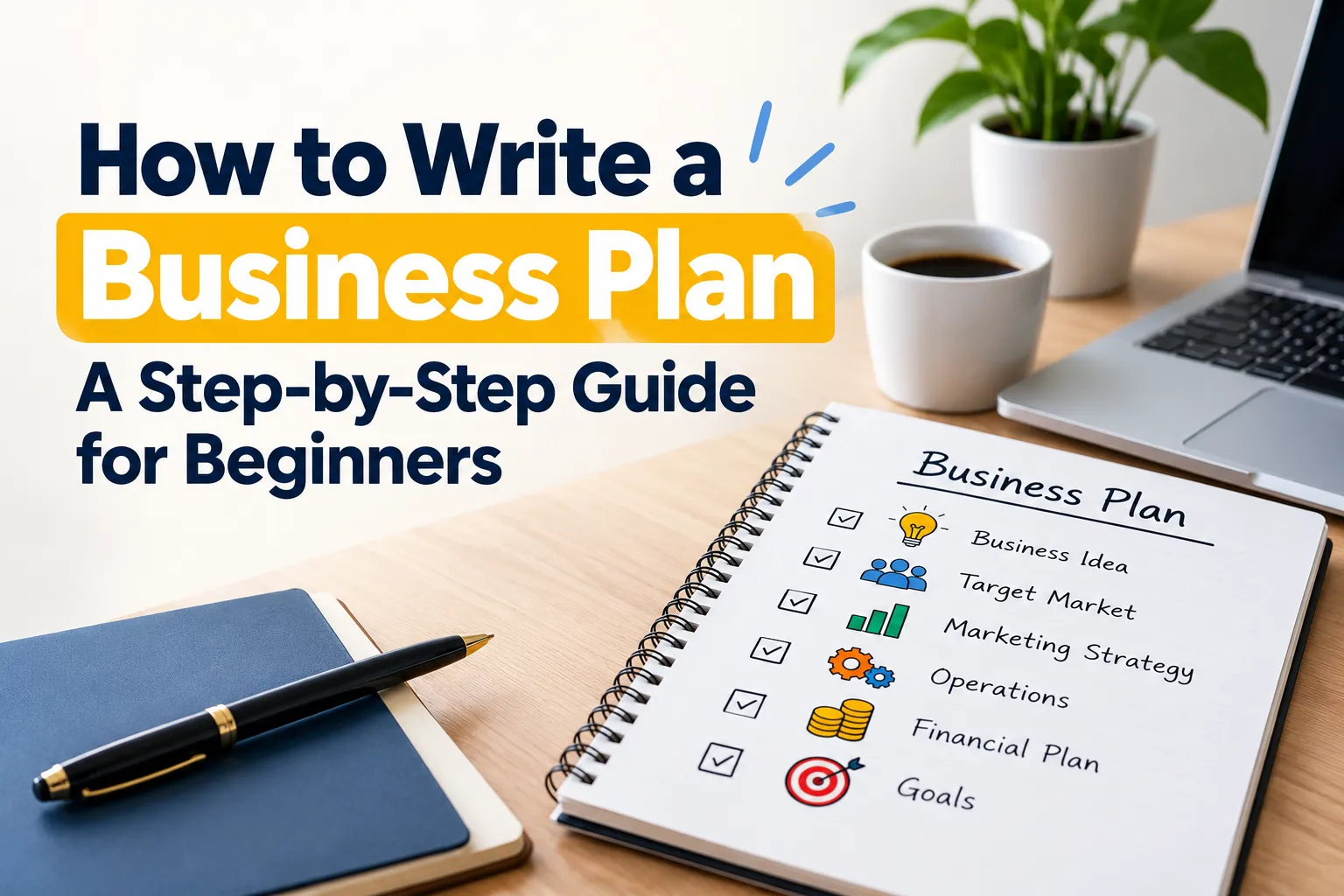
Prepare a simple business plan. Estimate startup costs, monthly expenses, sales targets, and the minimum number of orders required to cover costs.
Choose a business structure. Depending on your circumstances, you may operate as a proprietorship or consider another suitable legal structure. Understand the associated legal and tax obligations.
Check registrations and licences. Requirements depend on the business activity, state, turnover, and sales channel. Depending on the model, you may need GST registration, FSSAI registration or licensing, local permissions, or other approvals. Udyam registration may also be useful for eligible micro, small, and medium enterprises. Verify the current rules before starting.
Set up payments and records. Keep business income and expenses organised, issue appropriate invoices, and maintain records from the beginning.
Find your first customers. Use referrals, local networking, suitable online marketplaces, social media, search engine optimisation, and direct outreach to reach potential buyers.
Review results before expanding. Track sales, gross margin, cash flow, repeat customers, and customer acquisition costs. Increase spending only when the business model shows promising results.
How to Promote a Small Business With a Limited Budget
You do not always need a large advertising budget to find customers. Start with channels that match your business and audience.
Create a Google Business Profile if your business is eligible and serves customers locally. Keep your contact information, service details, photos, and operating hours accurate.
Use social media to show products, explain services, answer common customer questions, and share genuine customer feedback with permission. A basic website or landing page can help customers understand your offer and contact you.
For business-to-business services, direct outreach and professional networking can work well. For consumer products, local partnerships, referrals, and repeat-customer offers may be more effective.
Measure results rather than focusing only on views or followers. Enquiries, completed orders, repeat purchases, and profitable revenue provide a clearer picture of business performance.
Common Mistakes to Avoid When Starting a Business
One common mistake is investing too much money before testing demand. Expensive equipment, large inventories, and long-term rental commitments can create pressure before a business has established consistent sales.
Another mistake is pricing products without calculating the full cost. Materials, labour, delivery, returns, platform fees, taxes, and marketing can reduce margins significantly.
New entrepreneurs also underestimate the importance of customer service and cash flow. Even a business that records sales can face financial problems if customers pay late or expenses arrive before revenue.
Finally, avoid copying another business without understanding its market. A successful business in one city or customer segment may not work the same way elsewhere.
FAQs
Which business is best to start in India with low investment?
Digital marketing, tutoring, content writing, social media management, and selected home-based services can be practical options when you already have the necessary skills. The right choice depends on local demand, available time, and your budget.
Which business can I start with ₹10,000?
Depending on your circumstances, you could test freelance services, online tutoring, social media management, handmade products, or a small reselling operation. Keep initial spending low and validate demand before buying more equipment or stock.
Which small business is suitable for beginners?
Service-based businesses are often easier to test because they may require less inventory. Examples include tutoring, writing, basic design, local cleaning, and digital services. Beginners should choose a business they can deliver reliably.
Can I start a business from home in India?
Yes. Many service, food, teaching, craft, and online businesses can operate from home, subject to applicable registration, safety, zoning, housing, and licensing requirements.
How can I get customers for a new small business?
Start with a clear offer, a defined target audience, referrals, local networking, suitable social media channels, and direct outreach. A website and local search presence can help when customers search online for the services you provide.
Do I need GST registration to start a small business?
Not every small business needs GST registration immediately. The requirements depend on factors such as turnover, business activity, location, and applicable exceptions. Check the latest GST rules or consult a qualified tax professional for your situation.
Final Thoughts
Starting a small business in India with low investment is possible, but success depends on more than choosing a popular idea. Research your customers, understand your costs, follow applicable rules, and test demand before committing significant money.
Choose one business that matches your skills and circumstances. Start small, focus on delivering genuine value, and use real customer feedback to improve your products or services. Consistent execution and sensible financial management give a small business a stronger foundation for long-term growth.