Modern lifestyles have become increasingly sedentary. Long working hours, excessive screen time, online learning, and digital entertainment have reduced the amount of daily physical activity for people of all ages. As inactivity rises, so do the risks of obesity, heart disease, stress, anxiety, and poor sleep.
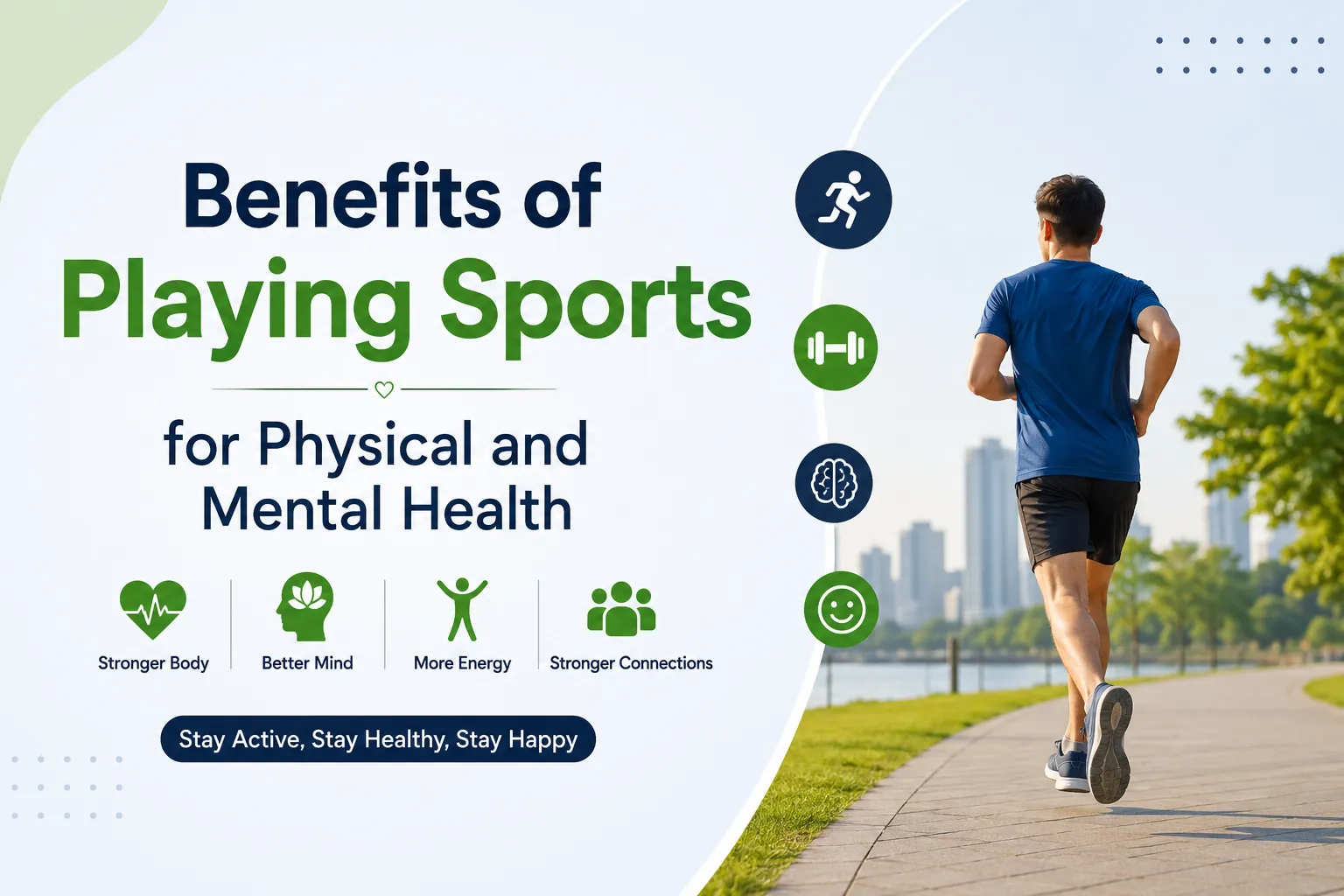
One of the simplest and most enjoyable ways to stay healthy is by participating in sports. The Benefits of Playing Sports for Physical and Mental Health extend far beyond fitness. Whether you play football after school, go for a morning run, swim on weekends, or enjoy a friendly game of badminton, sports help strengthen the body, sharpen the mind, and improve overall quality of life.
This article explores the physical, mental, and social benefits of sports, highlights the importance of playing sports, shares practical tips for building an active lifestyle, and answers common questions to help you make sports a lifelong habit.
What Are Sports and Why Are They Important?
Sports are organized physical activities that involve skill, movement, and often competition. They may be played individually, such as running or tennis, or as team sports, such as football, cricket, and basketball.
Regular participation in sports encourages movement, improves physical fitness, and promotes lifelong healthy habits. Beyond exercise, sports teach discipline, resilience, teamwork, and goal-setting. They also provide an enjoyable way to disconnect from daily stress while staying physically active.
Physical Health Benefits of Playing Sports
Improves Heart Health
Many sports increase heart rate and improve blood circulation. Regular physical activity strengthens the heart muscle, helps maintain healthy blood pressure, and supports healthy cholesterol levels. Consistent participation also lowers the long-term risk of cardiovascular disease.
Builds Strong Muscles and Bones
Activities such as football, basketball, tennis, and resistance-based sports place healthy stress on muscles and bones. This encourages stronger muscles, improves bone density, and supports healthy growth in children while helping older adults maintain mobility.
Helps Maintain Healthy Weight
Sports burn calories while increasing muscle mass, making weight management easier. Combined with a balanced diet, regular participation helps reduce body fat and supports a healthy metabolism.
Increases Strength, Flexibility, and Endurance
Different sports challenge the body in unique ways. Running improves endurance, swimming develops total-body strength, badminton enhances agility, and yoga improves flexibility and balance. Together, these contribute to better overall fitness.
Boosts Energy Levels
Although exercise requires effort, it improves the body’s ability to deliver oxygen and nutrients efficiently. Many people find they feel more energetic throughout the day after making sports part of their routine.
Improves Immune System
Moderate, regular exercise supports immune function by improving circulation and reducing chronic inflammation. Staying active may help the body respond more effectively to common illnesses when combined with proper sleep and nutrition.
Mental Health Benefits of Playing Sports
Reduces Stress
Physical activity encourages the release of endorphins, often called “feel-good” hormones. These natural chemicals help reduce stress and create a sense of relaxation after exercise.
Improves Mood
Sports provide enjoyment, achievement, and social interaction. Completing a workout or winning a friendly match often creates a positive emotional boost that can last for hours.
Boosts Self-Confidence
Learning new skills, improving performance, and reaching fitness goals increase confidence. Children, students, and adults alike benefit from the sense of accomplishment that sports provide.
Improves Focus and Concentration
Sports require attention, quick decision-making, and coordination. These demands improve concentration and mental sharpness, which can benefit academic performance and workplace productivity.
Reduces Anxiety and Depression
Research consistently shows that regular physical activity can help reduce symptoms of anxiety and mild to moderate depression. Sports also provide routine, purpose, and valuable social connections that support emotional well-being.
Better Sleep Quality
People who participate in regular sports often experience deeper and more refreshing sleep. Better sleep improves memory, recovery, mood, and energy levels.
Social Benefits of Playing Sports
Sports develop valuable life skills that extend beyond the playing field.
- Build teamwork and cooperation
- Develop leadership abilities
- Improve communication skills
- Encourage discipline and commitment
- Create lasting friendships
- Teach respect for teammates and opponents
- Promote fairness and good sportsmanship
These social benefits make sports especially valuable for children, teenagers, and working professionals seeking stronger personal and professional relationships.
Best Sports for Overall Health
| Sport | Physical Benefit | Mental Benefit |
| Football | Cardio fitness and agility | Teamwork and confidence |
| Cricket | Coordination and endurance | Patience and concentration |
| Swimming | Full-body workout | Stress relief |
| Running | Heart health and stamina | Mood improvement |
| Cycling | Leg strength and endurance | Mental relaxation |
| Badminton | Speed and flexibility | Sharp focus |
| Tennis | Balance and coordination | Strategic thinking |
| Basketball | Strength and agility | Leadership and teamwork |
| Yoga | Flexibility and balance | Mindfulness and calmness |
| Walking | Joint health and weight control | Reduced stress and improved mood |
Tips to Make Sports a Daily Habit
Building an active lifestyle doesn’t require perfection—it requires consistency.
Follow these simple tips:
- Set realistic and achievable goals.
- Choose a sport you genuinely enjoy.
- Play with friends or family for motivation.
- Join a local sports club or community group.
- Schedule sports like any other important appointment.
- Warm up before activity and cool down afterward.
- Drink enough water before, during, and after exercise.
Common Mistakes to Avoid
Avoid these habits to stay healthy and reduce injury risk:
- Skipping warm-up exercises
- Overtraining without enough recovery
- Poor hydration
- Ignoring pain or injuries
- Eating an unbalanced diet
- Practicing inconsistently
Listening to your body and progressing gradually is essential for long-term success.
Frequently Asked Questions (FAQ)
1. What are the biggest benefits of playing sports?
Sports improve heart health, muscle strength, mental well-being, confidence, social skills, and overall quality of life.
2. How do sports improve mental health?
They reduce stress, release mood-enhancing endorphins, improve self-esteem, and support better sleep and emotional resilience.
3. Which sport is best for overall fitness?
Swimming is often considered one of the best all-around sports because it provides a full-body workout while being gentle on the joints.
4. Can sports help reduce stress?
Yes. Regular physical activity lowers stress hormones while increasing endorphins that promote relaxation.
5. How many days a week should I play sports?
Aim for at least 150 minutes of moderate-intensity activity each week, which can be spread across most days.
6. Are team sports better than individual sports?
Both have advantages. Team sports improve communication and cooperation, while individual sports encourage self-discipline and personal responsibility.
7. Can children and adults benefit equally from sports?
Yes. Sports provide lifelong physical, mental, and social benefits regardless of age.
8. Is walking considered a sport or physical activity?
Walking is generally classified as physical activity, but it offers many of the same health benefits of exercise and supports a healthy lifestyle.
10-Point Healthy Sports Habit Checklist
- Exercise most days of the week
- Warm up before every session
- Cool down after playing
- Stay hydrated
- Eat balanced meals
- Wear proper sports equipment
- Get enough sleep
- Listen to your body
- Track your progress
- Have fun and stay consistent
Quick Daily Fitness Tips
- Walk instead of driving short distances.
- Take movement breaks every hour.
- Stretch for 5–10 minutes daily.
- Use stairs whenever possible.
- Play an outdoor sport with family or friends.
- Stay hydrated throughout the day.
- Prioritize quality sleep for recovery.
Conclusion
The Benefits of Playing Sports for Physical and Mental Health go far beyond improving fitness. Regular participation strengthens the heart, muscles, bones, and immune system while supporting better mood, lower stress levels, improved focus, and higher self-confidence. Sports also teach valuable life skills such as teamwork, discipline, leadership, and resilience.
Whether you’re a student, parent, athlete, or working professional, making sports part of your weekly routine can lead to a healthier, happier, and more balanced life. Remember that consistency matters more than intensity. Even small, regular efforts can create meaningful long-term improvements in your physical health, mental well-being, and overall quality of life.