In a modern world where many people spend long hours sitting at desks, studying, commuting, or using screens, regular exercise has become more important than ever. A sedentary lifestyle can affect physical fitness, energy levels, sleep, and overall well-being.
The good news is that regular physical activity does not have to mean intense gym workouts or difficult training programs. Walking, cycling, swimming, strength training, recreational activities, and playing sports can all contribute to a healthier lifestyle.
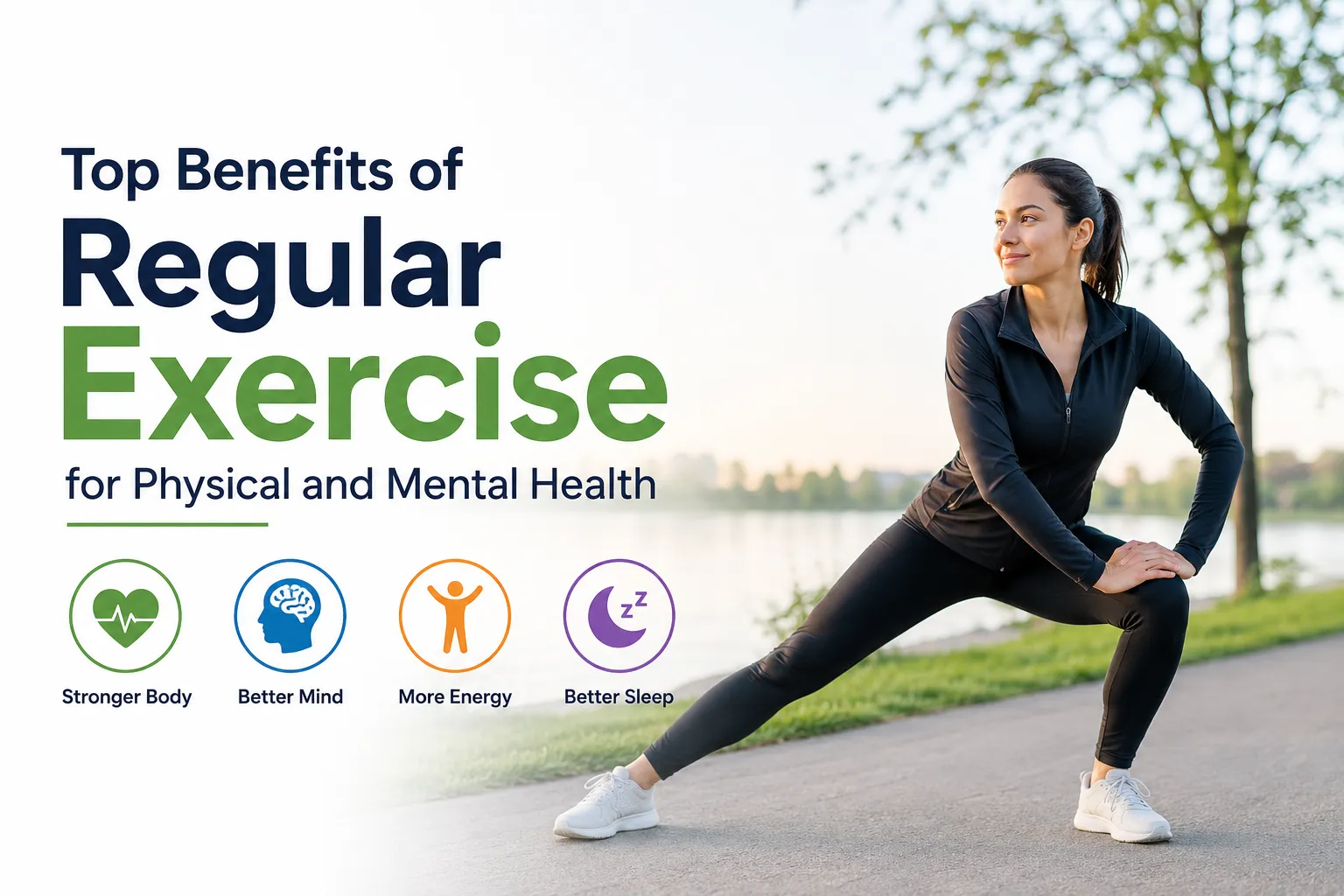
The Top Benefits of Regular Exercise for Physical and Mental Health extend beyond improving physical fitness. Regular movement can support heart health, muscle and bone strength, energy levels, stress management, mood, sleep, and mental well-being. This article explores the key benefits of regular exercise and offers practical ways to make physical activity part of everyday life.
What Are the Benefits of Regular Exercise?
Regular exercise supports both physical and mental health by improving cardiovascular fitness, strengthening muscles and bones, supporting healthy weight management, and improving stamina. Physical activity may also help manage stress, support a better mood, improve sleep, and contribute to overall mental well-being.
The benefits of regular exercise can affect many areas of daily life. Consistent movement can help the body function more efficiently while also providing a useful way to relax, recharge, and spend time doing enjoyable activities.
Physical Health Benefits of Regular Exercise
Supports Heart Health
Regular physical activity supports cardiovascular fitness and overall heart health. Activities that raise your heart rate can help improve endurance and strengthen the body’s ability to perform everyday physical tasks.
Examples include:
- Walking
- Cycling
- Swimming
- Running
- Playing sports
You do not need to perform intense exercise every day. Consistent moderate activity can be a practical way to support exercise for physical health.
Helps Maintain a Healthy Weight
Physical activity increases energy expenditure and can play an important role in maintaining a healthy weight. Exercise generally works best when combined with balanced eating habits and other healthy lifestyle choices.
Different activities use different amounts of energy, and results can vary between individuals. Regular movement is therefore more useful as part of a long-term routine than as a quick solution. Exercise cannot guarantee weight loss or target fat loss from one specific area of the body.
Builds Muscle and Strength
Strength and resistance activities can help build and maintain muscle strength. These activities may include:
- Strength training
- Resistance exercises
- Bodyweight workouts
- Sports-based physical activity
Stronger muscles can make everyday activities, such as lifting, carrying, climbing stairs, and moving around, easier and more comfortable.
Supports Strong Bones
Weight-bearing and resistance-based activities can support bone health. Walking, running, strength training, and certain sports place controlled stress on the bones and muscles, helping maintain physical strength over time.
The most suitable type and intensity of activity can vary according to age, fitness level, and individual health circumstances.
Improves Energy and Stamina
One of the practical physical benefits of exercise is improved endurance. As the body gradually adapts to regular movement, everyday activities may feel less demanding.
Walking longer distances, climbing stairs, participating in sports, and completing daily tasks can become easier as fitness and stamina improve. Starting gradually and remaining consistent is usually more sustainable than doing occasional extreme workouts.
Mental Health Benefits of Regular Exercise
Helps Reduce Stress
Physical activity can provide a healthy way to manage everyday stress. Taking a break from work, study, or other responsibilities and focusing on movement may help people feel more relaxed and refreshed.
Simple options include:
- Walking outdoors
- Yoga
- Cycling
- Playing sports
For many people, regular movement also creates valuable time away from screens and daily routines.
Supports a Better Mood
Exercise and movement are associated with positive effects on mood and emotional well-being. Regular physical activity may help improve mood and provide a sense of accomplishment, particularly when people set realistic goals and notice gradual progress.
Enjoyable activities are especially valuable because people are more likely to continue doing them over time.
Can Support Mental Well-Being
The mental health benefits of exercise can make physical activity an important part of a healthy lifestyle. Exercise may support stress management, confidence, social connection, and overall mental well-being.
However, exercise is not a replacement for professional medical or mental health treatment when it is needed. Anyone experiencing significant or persistent mental health difficulties should seek appropriate support from a qualified healthcare professional.
Improves Focus and Concentration
Regular movement may support attention, mental clarity, and productivity. For students and working professionals, even short periods of physical activity can provide a useful break from prolonged sitting and focused screen time.
Building movement into the day may also make it easier to maintain a balanced routine.
Supports Better Sleep
Regular physical activity can support healthy routines and may contribute to better sleep quality. Exercise, consistent daily habits, and adequate recovery all play a role in overall health.
The relationship between activity and sleep can vary between individuals, so it is useful to pay attention to the timing and intensity of exercise that works best for your routine.
How Sports Can Improve Physical and Mental Health
Sports can be especially beneficial because they combine physical activity with enjoyment and personal development. Depending on the activity, sports can provide opportunities for:
- Physical movement
- Skill development
- Social interaction
- Teamwork
- Motivation
- Enjoyment
Team sports such as football, cricket, and basketball can encourage communication and social connection. Individual activities such as tennis, swimming, and badminton can offer physical challenges while allowing people to develop skills at their own pace.
Want to explore how sports can support both your body and mind? Read our guide on Benefits of Playing Sports for Physical and Mental Health.
Best Types of Exercise for Overall Health
A balanced fitness routine can include different types of movement.
| Type of Exercise | Main Benefits | Examples |
| Cardio | Supports cardiovascular fitness and endurance | Walking, cycling, swimming, running |
| Strength training | Builds muscle strength and supports physical function | Weights, resistance bands, bodyweight exercises |
| Flexibility exercises | Supports comfortable movement and mobility | Stretching, yoga |
| Balance exercises | Supports stability and body control | Yoga, balance drills, tai chi |
| Sports and recreational activities | Combines movement, enjoyment, and social interaction | Football, tennis, basketball, badminton |
The best exercise is usually an activity you enjoy and can perform consistently. A combination of activities can also make a routine more interesting and balanced.
How Much Exercise Do You Need?
General public health guidance commonly emphasizes regular movement throughout the week and a combination of aerobic activity and muscle-strengthening exercises.
For beginners, the most important step is often simply to start moving regularly. Begin with a manageable amount, such as short walks or beginner-friendly workouts, and gradually increase duration or intensity as fitness improves.
Avoid trying to do too much too quickly. Building a sustainable routine is generally more useful than following an overly demanding program for a short period.
People with medical conditions, injuries, or other health concerns should seek guidance from a qualified healthcare professional before starting a new exercise program.
How to Make Exercise a Regular Habit
Creating healthy lifestyle habits does not require perfection. Small, realistic actions can make regular physical activity easier to maintain.
Try these practical strategies:
- Start with small goals.
- Choose activities you genuinely enjoy.
- Schedule exercise like any other important activity.
- Exercise with friends or family.
- Try sports for variety.
- Track progress when it feels motivating.
- Avoid comparing yourself with others.
- Focus on consistency rather than perfection.
Simple Exercise Habit Checklist
☐ Move your body regularly
☐ Choose activities you enjoy
☐ Include strength exercises
☐ Take regular walking breaks
☐ Stay consistent
☐ Get adequate rest
Common Mistakes to Avoid When Exercising
Doing too much too soon: Increasing activity too quickly can make exercise difficult to maintain and may increase the risk of injury.
Ignoring pain or warning signs: Persistent or concerning symptoms should not simply be pushed through.
Skipping warm-ups: A gradual start can help prepare the body for more demanding activity.
Exercising with poor technique: Incorrect form may reduce the effectiveness of an exercise and increase unnecessary strain.
Not allowing adequate recovery: Rest and recovery are important parts of a sustainable fitness routine.
Comparing progress with others: Fitness levels and progress vary widely between individuals.
Expecting immediate results: Many benefits of physical activity develop gradually through consistent habits.
Exercise, Fitness, and Sports: How They Work Together
Exercise is a planned form of physical activity, while fitness generally refers to the body’s ability to perform physical tasks efficiently. Sports add another dimension by combining movement with skills, goals, competition, or recreation.
Combining structured exercise with enjoyable sports activities can make a fitness routine more sustainable. Someone might strength train during the week while playing badminton, football, cricket, or another favorite sport for enjoyment and variety.
Looking for practical ways to build your fitness routine? Explore our guide on How to Improve Fitness Through Regular Exercise and Sports.
Frequently Asked Questions
1. What are the main benefits of regular exercise?
Regular exercise supports heart health, muscle and bone strength, stamina, healthy weight management, sleep, mood, stress management, and overall physical and mental well-being.
2. How does exercise improve mental health?
Exercise may help manage stress, support a better mood, improve sleep, and contribute to mental well-being. It should not replace professional mental health care when treatment is needed.
3. How often should I exercise?
The goal is regular movement throughout the week. A combination of aerobic activity and strength exercises can support overall fitness. Beginners should start gradually and increase activity over time.
4. Can walking be enough exercise for good health?
Walking can be a valuable form of regular physical activity and can support cardiovascular fitness and overall health. The best routine depends on individual goals and fitness levels.
5. Which exercise is best for physical and mental health?
There is no single best exercise for everyone. Walking, cycling, swimming, strength training, yoga, and sports can all provide benefits. An enjoyable activity that you can perform consistently is often a good choice.
6. Can playing sports count as exercise?
Yes. Many sports involve cardiovascular activity, strength, coordination, and movement. Sports can also provide social interaction and enjoyment.
Conclusion
Regular exercise is one of the most effective lifestyle habits for supporting physical and mental health. The benefits of physical activity can include stronger muscles and bones, improved cardiovascular fitness, better stamina, stress management, and support for overall mental well-being.
Importantly, people do not need extreme workouts to benefit from regular movement. Walking, cycling, sports, strength training, swimming, and many other forms of activity can contribute to a healthier lifestyle.
The best approach is to find activities you enjoy and make them part of your routine. Small, sustainable habits may create meaningful long-term improvements, and consistency can be more valuable than trying to exercise perfectly.
Medical Disclaimer
This article is for general educational purposes and is not a substitute for professional medical advice. Consult a qualified healthcare professional before starting a new exercise program, especially if you have an existing medical condition or injury.