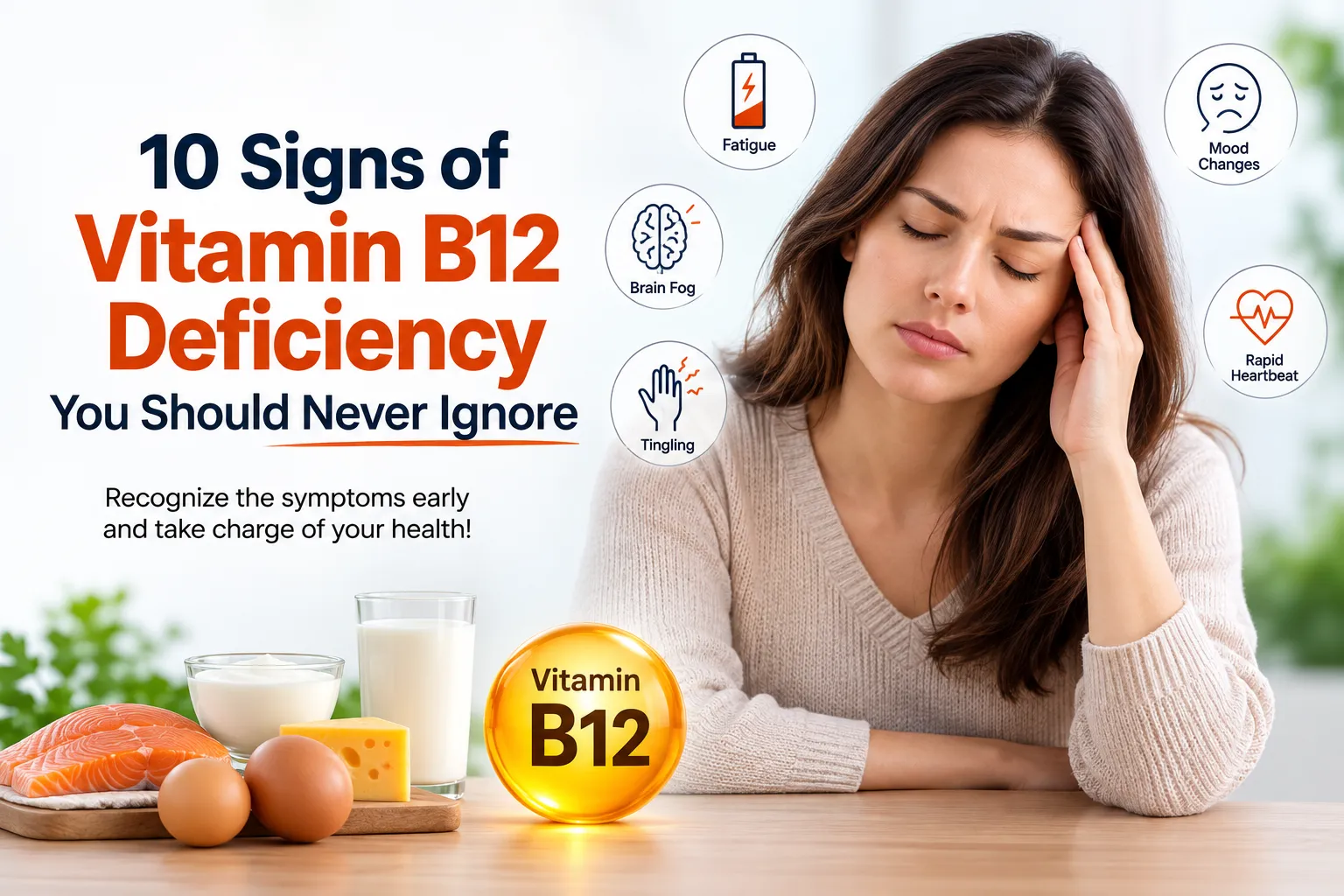
Vitamin B12 is one of the most important nutrients your body needs to stay healthy. It helps produce healthy red blood cells, supports the nervous system, assists with DNA formation, and plays a key role in energy production. Without enough Vitamin B12, your body cannot function properly, and symptoms may develop gradually.
Vitamin B12 deficiency is becoming increasingly common, especially among older adults, vegetarians, vegans, and people with digestive disorders. Because the symptoms often develop slowly, many people mistake them for stress, aging, or lack of sleep.
Recognizing the warning signs early is essential. Prompt diagnosis and treatment can prevent long-term nerve damage and other serious health problems. In this guide, you’ll learn the 10 Signs of Vitamin B12 Deficiency You Should Never Ignore, along with the causes, best food sources, prevention tips, and when to seek medical advice.
What Is Vitamin B12?
Vitamin B12, also called cobalamin, is a water-soluble vitamin that your body cannot produce on its own. It must come from food or supplements.
Its major functions include:
- Producing healthy red blood cells
- Supporting the brain and nervous system
- Helping make DNA
- Converting food into usable energy
- Supporting healthy vitamin levels for overall wellness
Without enough Vitamin B12, your body cannot efficiently carry oxygen or maintain healthy nerves, leading to a wide range of symptoms.
Who Is at Risk of Vitamin B12 Deficiency?
Some people are more likely to develop Vitamin B12 deficiency symptoms than others.
People at higher risk include:
- Vegetarians and vegans
- Adults over 60 years of age
- People with Crohn’s disease or celiac disease
- Individuals with pernicious anemia
- People taking long-term acid-reducing medications such as proton pump inhibitors or H2 blockers
- Individuals taking metformin for diabetes
- People with poor dietary habits or alcohol misuse
Regular health check-ups can help detect low Vitamin B12 before serious complications develop.
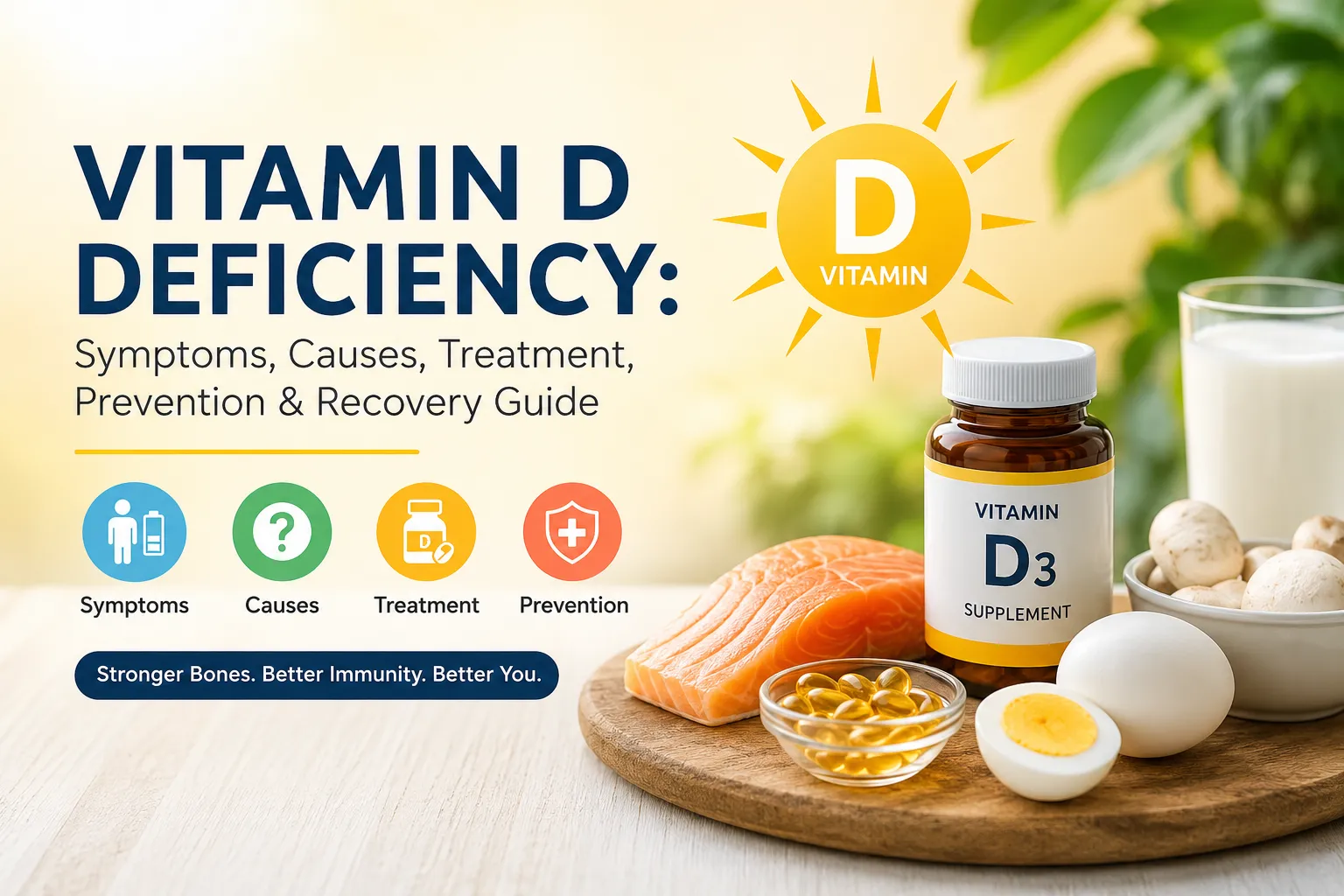
Also Read: Vitamin D deficiency symptoms can often overlap with low Vitamin B12—learn the key differences.
10 Signs of Vitamin B12 Deficiency You Should Never Ignore
1. Constant Fatigue and Weakness
Feeling exhausted even after a full night’s sleep may be one of the earliest signs of low Vitamin B12.
Without enough B12, your body produces fewer healthy red blood cells. As a result, less oxygen reaches your muscles and organs, leaving you tired, weak, and lacking energy.
Example: A person who suddenly struggles to complete routine daily activities despite adequate sleep should discuss persistent fatigue with a healthcare professional.
2. Tingling or Numbness in Hands and Feet
A persistent “pins and needles” sensation can indicate nerve damage caused by Vitamin B12 deficiency.
Vitamin B12 helps maintain the protective covering around nerves. When levels become too low, nerve signals are disrupted, causing numbness or tingling.
If left untreated, nerve damage may become permanent.
3. Pale or Yellowish Skin
People with Vitamin B12 deficiency may notice pale skin or a slight yellow tint.
Low Vitamin B12 affects healthy red blood cell production. Fragile blood cells break down more easily, increasing bilirubin levels, which can contribute to yellowish skin.
4. Shortness of Breath
Shortness of breath during normal activities may occur because anemia reduces the amount of oxygen delivered throughout the body.
You may also notice dizziness, reduced stamina, or unusual tiredness while climbing stairs or walking.
5. Difficulty Concentrating (Brain Fog)
Many people with low B12 symptoms describe feeling mentally “foggy.”
Common symptoms include:
- Forgetfulness
- Poor concentration
- Difficulty focusing
- Slower thinking
- Reduced productivity
Vitamin B12 plays an important role in normal brain function and nervous system health.
6. Mood Changes and Depression
Vitamin B12 influences the production of chemicals that help regulate mood.
Low levels may contribute to:
- Depression
- Irritability
- Anxiety
- Mood swings
Although Vitamin B12 deficiency is not the only cause of mood disorders, it should be considered—especially when accompanied by physical symptoms.
7. Balance Problems
As nerve damage progresses, walking may become difficult.
Some people experience:
- Poor coordination
- Frequent stumbling
- Difficulty maintaining balance
- Increased risk of falls, particularly in older adults
Early treatment can reduce the risk of permanent neurological complications.
8. Mouth Ulcers and Swollen Tongue
Vitamin B12 deficiency can affect the tissues inside the mouth.
Possible symptoms include:
- Mouth ulcers
- Burning mouth sensation
- A smooth, swollen, red tongue (glossitis)
- Pain while eating
These symptoms often improve once the deficiency is treated.
9. Blurred Vision
In rare but serious cases, untreated Vitamin B12 deficiency may affect the optic nerve.
Possible symptoms include:
- Blurred vision
- Reduced sharpness of vision
- Difficulty focusing
Any sudden or persistent vision changes should be evaluated promptly by a healthcare professional.
10. Rapid Heartbeat
When anemia limits oxygen delivery, the heart works harder to meet the body’s needs.
This may cause:
- Rapid heartbeat
- Heart palpitations
- Feeling lightheaded during activity
Persistent heart-related symptoms require prompt medical evaluation.
Common Causes of Vitamin B12 Deficiency
The most common Vitamin B12 deficiency causes include:
- Poor intake of animal-based foods
- Aging and reduced stomach acid
- Pernicious anemia
- Crohn’s disease and celiac disease
- Gastric bypass surgery
- Long-term use of acid-reducing medications
- Long-term metformin use
- Heavy alcohol consumption
Identifying the underlying cause is essential for effective B12 deficiency treatment.
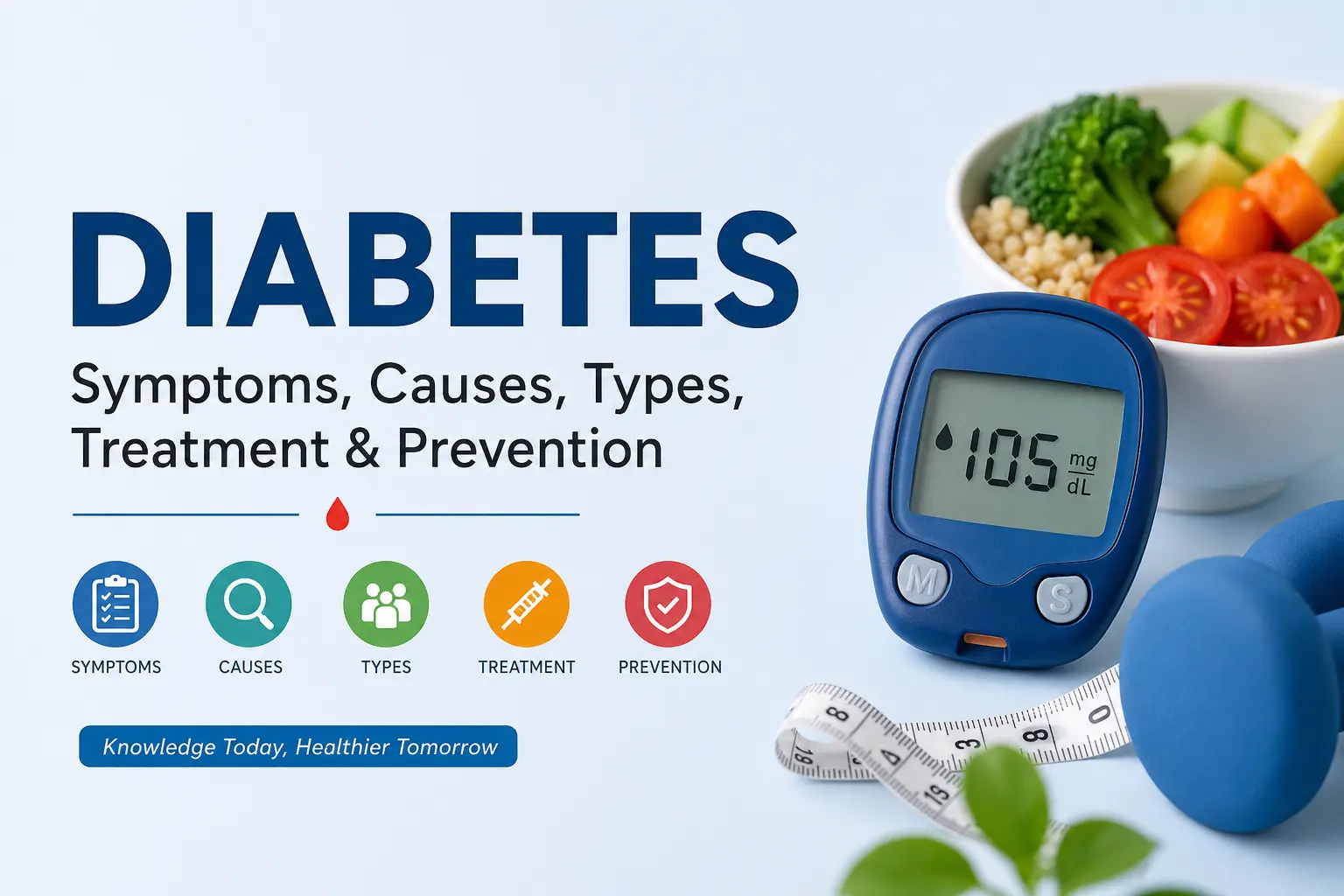
If you have diabetes, learn why long-term metformin use may increase the risk of Vitamin B12 deficiency.
Best Foods Rich in Vitamin B12
| Food | Vitamin B12 Source | Serving Suggestion |
| Eggs | Natural | 1–2 eggs daily |
| Milk | Natural | 1 glass |
| Yogurt | Natural | 1 cup |
| Cheese | Natural | Moderate serving |
| Fish (salmon, trout, tuna) | Excellent source | 2 servings weekly |
| Chicken | Natural | Lean cooked portion |
| Beef | Rich source | Lean cuts in moderation |
| Fortified cereals | Fortified | Breakfast serving as directed |
Vegetarians and vegans should choose fortified foods and discuss supplementation with a healthcare professional if needed.
Explore the best foods that naturally support immunity and overall nutritional health.
How to Prevent Vitamin B12 Deficiency Naturally
You can help maintain healthy Vitamin B12 levels by:
- Eating a balanced diet that includes Vitamin B12 rich foods.
- Choosing fortified foods if you avoid animal products.
- Taking Vitamin B12 supplements only under medical advice.
- Having regular health check-ups if you are in a high-risk group.
- Supporting digestive health and managing conditions that reduce nutrient absorption.
These simple habits can help reduce the risk of deficiency over time.
When Should You See a Doctor?
You should seek medical advice if you experience persistent fatigue, numbness, balance problems, memory changes, or other symptoms listed above.
A healthcare professional may recommend:
- A physical examination
- Blood tests, including a complete blood count and Vitamin B12 level
- Additional testing to identify the underlying cause
Early diagnosis is important because untreated Vitamin B12 deficiency can lead to permanent nerve damage, severe anemia, and neurological complications. Treatment may involve dietary changes, oral supplements, or Vitamin B12 injections depending on the cause and severity.
Frequently Asked Questions
1. What are the first signs of Vitamin B12 deficiency?
Fatigue, weakness, tingling in the hands or feet, and difficulty concentrating are among the earliest symptoms.
2. Can Vitamin B12 deficiency be cured?
Yes. Most people recover well with timely diagnosis, appropriate treatment, and correction of the underlying cause. Some nerve damage may take longer to improve, and prolonged deficiency can lead to permanent changes.
3. Which foods contain the most Vitamin B12?
Beef, fish, dairy products, eggs, and fortified cereals are among the richest dietary sources.
4. Can vegetarians get enough Vitamin B12?
Yes, but they often need fortified foods or supplements because plant foods naturally contain little or no Vitamin B12.
5. How long does it take to recover from Vitamin B12 deficiency?
Many people notice improvement within weeks of starting treatment, although recovery of nerve symptoms may take several months depending on severity.
6. Is Vitamin B12 deficiency serious?
Yes. If left untreated, it can cause anemia, nerve damage, balance problems, and cognitive changes. Early diagnosis improves outcomes.
Conclusion
Vitamin B12 deficiency often develops gradually, making it easy to overlook its warning signs. However, symptoms such as persistent fatigue, numbness, balance problems, brain fog, and rapid heartbeat should never be ignored. Early recognition and proper medical evaluation can prevent serious complications, including permanent nerve damage.
A balanced diet, appropriate use of fortified foods or supplements when needed, and regular medical check-ups are the best ways to maintain healthy Vitamin B12 levels. If you notice ongoing symptoms, speak with a qualified healthcare professional rather than trying to self-diagnose. Early diagnosis and timely treatment offer the best chance for a full recovery.
Medical Disclaimer
This article is intended for educational purposes only and should not replace professional medical advice, diagnosis, or treatment. Always consult a qualified healthcare professional regarding symptoms, test results, dietary supplements, or treatment decisions. Seek immediate medical attention for severe symptoms such as chest pain, sudden vision loss, or significant neurological changes.