

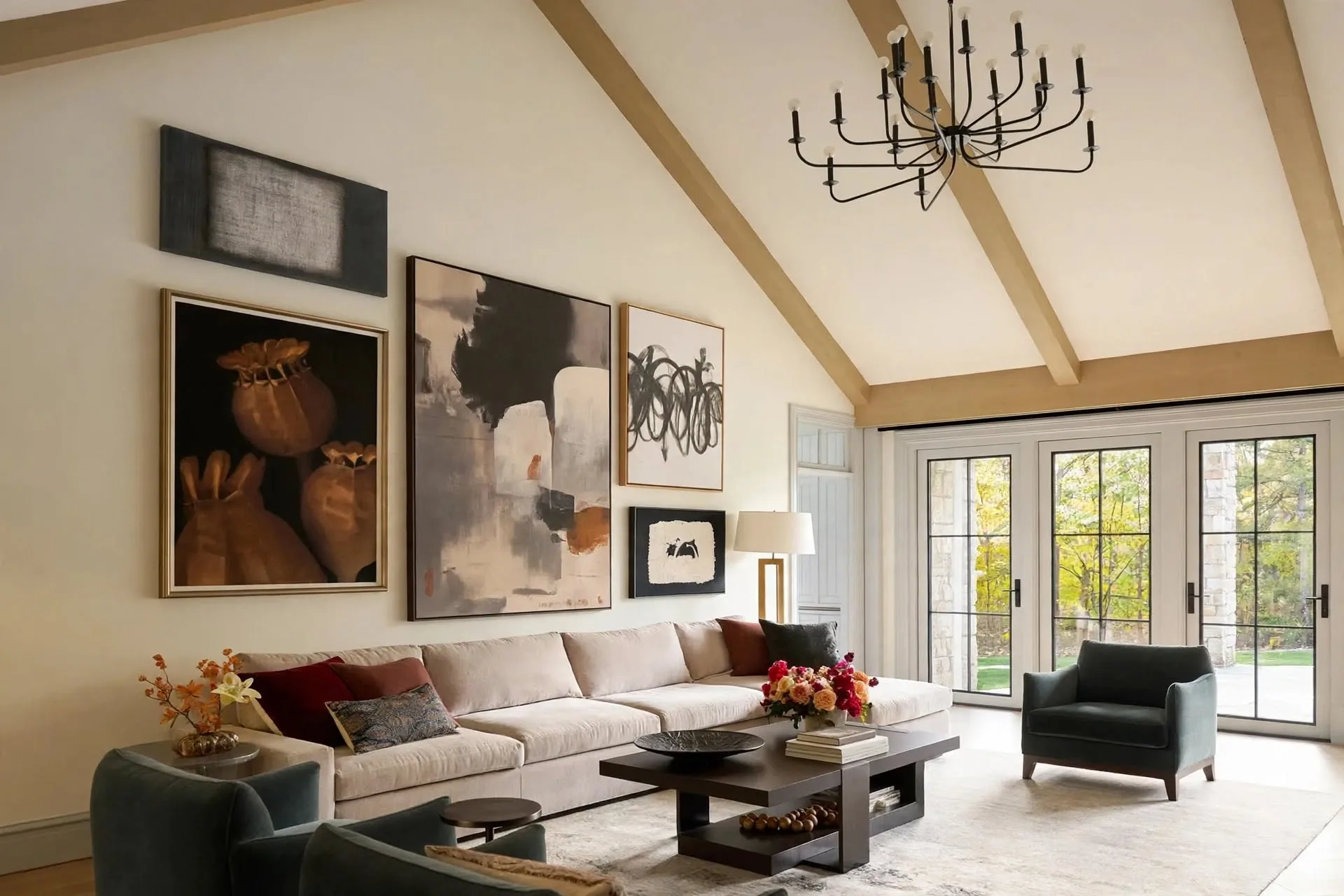
Creating a comfortable and attractive home involves more than choosing furniture and paint colors. A successful interior reflects the people who live there while making everyday activities easier and more enjoyable. Exploring Cleveland interior design can help homeowners understand how thoughtful space planning, suitable materials, and coordinated furnishings bring personality and functionality together.
Cleveland homes range from historic properties with distinctive architectural details to modern apartments and newly built residences. Each type of space presents different design opportunities. Older homes may benefit from updated layouts and carefully selected finishes, while contemporary properties often need warmth, texture, and practical storage. Understanding current design trends and the professional services available makes it easier to create interiors that suit both the property and its occupants.
Understanding Interior Design in Cleveland Homes
Interior design combines aesthetics, functionality, and the practical requirements of a space. It considers how people move through rooms, use furniture, interact with lighting, and maintain their surroundings.
Cleveland’s mix of architectural styles makes adaptable design particularly valuable. A historic home may feature original woodwork, fireplaces, or detailed trim that deserves to remain part of the interior. Rather than covering these features, a designer can incorporate them into a refreshed scheme with complementary colors, updated lighting, and contemporary furnishings.
Climate also influences local design decisions. Cold winters make comfortable seating, layered lighting, durable flooring, and inviting textiles especially useful. Materials should be selected not only for appearance but also for how they perform during everyday use.
Popular Cleveland Interior Design Trends
Design trends provide inspiration, but the most successful interiors adapt them to individual needs rather than following every new style.
Warm Neutrals and Natural Materials
Warm whites, soft beige, muted greens, and earthy browns continue to work well in residential spaces. These colors create a relaxed foundation that can accommodate different furniture styles and decorative accents.
Natural materials such as wood, stone, linen, and wool add texture and visual interest. For example, a living room with neutral walls can feel more inviting through a wood coffee table, textured area rug, and linen window treatments.
Functional and Flexible Spaces
Many households need rooms to serve multiple purposes. A spare bedroom might also function as a home office, while a dining area may provide additional workspace during the week.
Flexible furniture, built-in storage, and thoughtful layouts help make these spaces practical. A desk with concealed storage or a dining table with an extendable surface can support changing household needs without making the room feel crowded.
Statement Lighting
Lighting has a major influence on how an interior looks and functions. Instead of relying on one overhead fixture, designers often combine ambient, task, and accent lighting.
Pendant lights can define a dining area, table lamps create comfortable reading zones, and recessed fixtures provide general illumination. Layering these sources makes it easier to adjust the atmosphere throughout the day.
Personalized Furniture and Decor
Personal details help a room feel distinctive. Artwork, family pieces, books, and carefully selected accessories can reflect the homeowner’s interests without overwhelming the design.
Rather than filling every available surface, choose a few meaningful objects and give them enough space to stand out. This approach creates a more intentional and balanced interior.
How to Plan an Interior Design Project
A structured planning process can reduce unnecessary spending and help ensure that the finished space meets practical expectations.
Step 1: Identify Your Needs and Priorities
Begin by considering how the room is used. A family living room may need durable upholstery and accessible storage, while a formal sitting room might prioritize conversation areas and decorative details.
Write down the main problems you want to solve. These could include insufficient lighting, limited storage, awkward furniture placement, or a lack of visual coordination.
Step 2: Establish a Realistic Budget
Set a budget before selecting products or starting renovations. Include furniture, lighting, flooring, window treatments, accessories, delivery, installation, and any contractor costs.
It is also sensible to reserve part of the budget for unexpected expenses. Older Cleveland properties, for example, may reveal flooring or wall repairs once renovation work begins.
Step 3: Measure and Evaluate the Space
Accurate measurements are essential before purchasing furniture. Record room dimensions, ceiling height, window locations, door swings, and electrical outlets.
Consider how people will move through the room. A large sectional may look appealing, but if it blocks a walkway or restricts access to a door, a smaller seating arrangement may be more effective.
Step 4: Develop a Coordinated Design Direction
Choose a general style and color palette before buying individual pieces. This does not mean every item must match. Instead, establish a consistent visual direction through complementary colors, materials, shapes, and finishes.
For example, a contemporary living room might combine a neutral sofa, warm wood furniture, black metal accents, and a textured rug. Repeating a few materials throughout the room helps create cohesion.
Step 5: Select Furniture and Finishes Carefully
Prioritize pieces that have a meaningful effect on comfort and daily use. Sofas, beds, dining tables, and storage units often deserve more attention than small decorative accessories.
Evaluate furniture dimensions, construction, upholstery, and maintenance requirements. In busy households, stain-resistant fabrics and durable surfaces may be more practical than delicate materials.
Professional Interior Design Services and Their Benefits
Professional interior designers help translate ideas into coordinated, functional spaces. Their services can range from a focused consultation to complete project planning and implementation.
Design Consultation and Space Planning
A consultation can help homeowners clarify their goals, identify layout problems, and explore suitable design directions. Space planning focuses on furniture placement, room proportions, circulation, and how different areas connect.
This can be especially useful when furnishing an open-plan living and dining area or updating a room with unusual dimensions.
Furniture and Material Selection
Design professionals can help compare furniture styles, upholstery, finishes, flooring, lighting, and window treatments. Their guidance can make it easier to balance appearance, quality, durability, and budget.
For instance, a household with children or pets may benefit from practical upholstery recommendations that are easier to maintain.
Full-Service Design and Project Coordination
Larger projects may involve coordinating furniture orders, contractors, installations, and finishing details. A professional designer can help organize these elements so that the overall result follows a consistent plan.
Before hiring, clarify the scope of work, fees, purchasing arrangements, expected timeline, and responsibilities. A written agreement helps establish clear expectations.
Common Interior Design Mistakes to Avoid
One frequent mistake is purchasing furniture before measuring the room. A piece may look attractive in a showroom but overwhelm a smaller space. Always compare product dimensions with the available floor area.
Another issue is choosing colors under unsuitable lighting. Paint and fabric samples can appear different depending on natural light, artificial fixtures, and surrounding finishes. Test samples in the actual room before making final decisions.
Following trends without considering personal needs can also create disappointing results. A popular furniture style may not suit the room’s proportions or the household’s daily routine. Use trends as inspiration rather than strict rules.
Finally, overlooking storage and maintenance can reduce the long-term usefulness of an interior. Attractive spaces still need practical places for everyday belongings and materials that can handle regular use.
Practical Recommendations for a More Functional Home
Start with the rooms that have the greatest impact on everyday life. Improving a living room layout, updating bedroom lighting, or adding useful entryway storage can make a noticeable difference without requiring a complete renovation.
Use rugs to define areas in open-plan spaces, mirrors to reflect available light, and curtains that complement the room’s proportions. Keep frequently used items accessible while storing occasional-use belongings out of sight.
When working with a professional, communicate your preferences clearly. Share examples of styles you like, explain how each room is used, and be honest about budget limitations. Good design decisions come from balancing visual goals with real household requirements.
Conclusion
Cleveland interior design brings together local architectural character, practical planning, and personal style. By understanding current trends, measuring spaces carefully, setting realistic budgets, and selecting suitable furniture and materials, homeowners can create interiors that remain useful and appealing over time. Whether updating one room or planning a larger project, thoughtful decisions and professional guidance can help turn design ideas into comfortable, well-organized spaces.