Starting a business from home can be a practical way to turn a skill, idea, or hobby into a source of income. You can begin part-time, avoid many traditional office costs, and test an idea before making a larger investment.
However, starting a home business is not simply about choosing an idea and creating a social media page. A sustainable business needs a real customer problem, a useful solution, sensible financial planning, and consistent effort.
For beginners, the best approach is usually to start small, learn quickly, and spend carefully. Market research can help you understand potential customers and competitors before you invest heavily.
Why Start a Small Business from Home?
A home-based business can offer several practical advantages:
- Lower startup costs: You may not need to rent an office or retail space.
- Flexible working hours: Many businesses can be operated around a job, studies, or family responsibilities.
- Part-time testing: You can test demand before leaving your current employment.
- Easy experimentation: A small operation makes it easier to change your offer based on customer feedback.
- Room to grow: A business can begin with one service or product and expand as demand develops.
These benefits do not guarantee profitability. Your results will depend on factors such as demand, pricing, competition, operating costs, and your ability to consistently deliver value.
How to Choose the Right Home-Based Business Idea
The right idea is not necessarily the trendiest one. It should connect what you can do with what customers actually need and will pay for.
Consider:
- Your existing skills
- Work or educational experience
- Personal interests
- Market demand
- Startup budget
- Available time
- Target customers
- Existing competition
Market research is particularly important because it helps you understand customers, while competitive analysis can show how your business might differentiate itself.
Ask Yourself These Questions
- What problem can I solve?
- Who would pay for my solution?
- What skills do I already have?
- How much money can I invest?
- How much time can I dedicate?
- Can I start small and expand later?
For example, someone with strong writing skills might begin by offering blog-writing services rather than immediately building a full content agency.
Best Small Business Ideas You Can Start from Home
Here are practical home business ideas for beginners. Startup costs vary considerably depending on the equipment, software, location, and business model.
| Business Idea | Startup Cost | Skill Level | Potential Customers |
| Freelance writing | Low | Beginner–Intermediate | Businesses, websites, publishers |
| Graphic design | Low–Medium | Intermediate | Startups, creators, local businesses |
| Online tutoring | Low | Intermediate | Students, parents, adult learners |
| Social media management | Low | Intermediate | Small businesses, creators |
| Web design | Low–Medium | Intermediate | Businesses, professionals |
| Virtual assistance | Low | Beginner–Intermediate | Entrepreneurs, small companies |
| Handmade products | Low–Medium | Intermediate | Consumers, gift buyers |
| Online consulting | Low | Advanced | Businesses or individuals |
| Digital products | Low | Intermediate | Consumers, professionals, creators |
| Home-based food business | Medium | Intermediate | Local consumers, events |
The best choice depends on your abilities, local regulations, available resources, and customer demand.
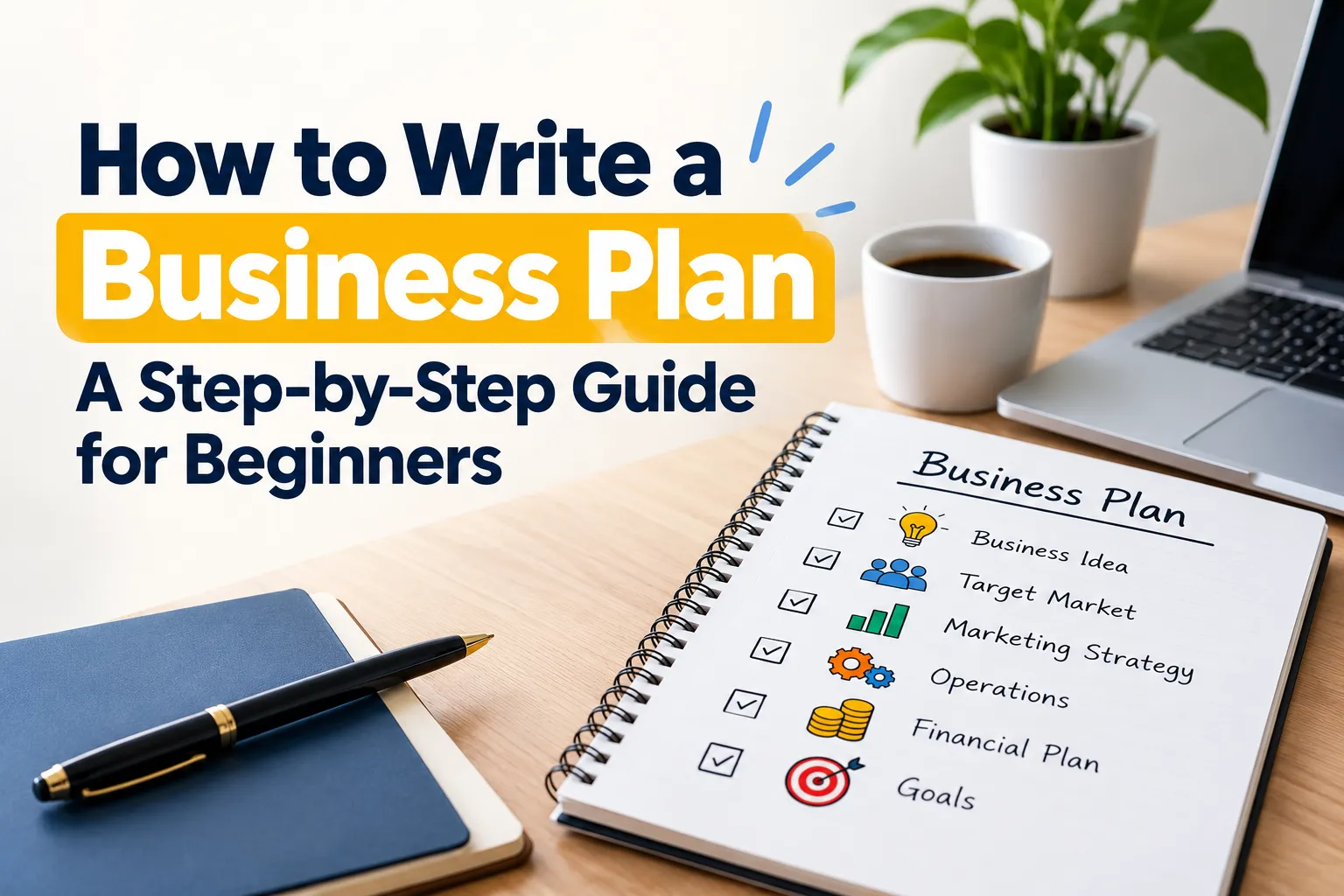
Create a Simple Business Plan
You do not need a 30-page document to start. A one-page plan can be enough to clarify the basics.
Include:
- Business idea
- Target audience
- Product or service
- Pricing
- Startup costs
- Marketing strategy
- Sales channel
- Monthly goals
Example: “I will provide affordable website content for small local businesses. I will target businesses that need regular blog posts but do not have an in-house writer. I will start with three service packages, promote my work through LinkedIn and direct outreach, and aim to acquire my first three paying clients within the first month.”
The goal is not to predict everything perfectly. It is to create a starting point that you can improve as you learn.
Calculate Your Startup Costs
Before spending money, list both one-time and recurring expenses.
Common costs include:
- Laptop, phone, tools, or other equipment
- Website and domain
- Software subscriptions
- Packaging and supplies
- Advertising and marketing
- Business registration
- Licenses or permits where required
Create a simple budget and distinguish essential expenses from optional upgrades. Avoid buying expensive equipment simply because it looks professional.
Keep business and personal finances organized separately where practical. Good records make it easier to monitor income, expenses, and business performance.
Set Up Your Home Business
Your setup does not need to be elaborate.
Start with:
- A dedicated workspace, even if it is a small desk.
- The equipment necessary to deliver your product or service.
- Clear working hours.
- Organized digital files and financial records.
- A professional business email.
- A simple website, portfolio, marketplace profile, or social presence.
Legal, tax, registration, zoning, licensing, and home-business requirements vary by country, state, city, and business type. Check the rules that apply to your location before operating.
How to Find Your First Customers
Your first customers often come from focused, personal outreach rather than expensive advertising.
Try:
- Telling your existing network what you offer
- Building a simple portfolio
- Using relevant social media platforms
- Joining appropriate online communities
- Offering a reasonable introductory service or sample
- Asking satisfied customers for referrals
- Contacting potential customers directly without spamming them
- Partnering with complementary businesses
For example, a beginner offering graphic design could create three sample designs for imaginary businesses, publish them in a portfolio, and contact local businesses whose branding could benefit from similar work.
Trust matters. Instead of constantly saying “buy from me,” demonstrate that you understand the customer’s problem and can solve it.
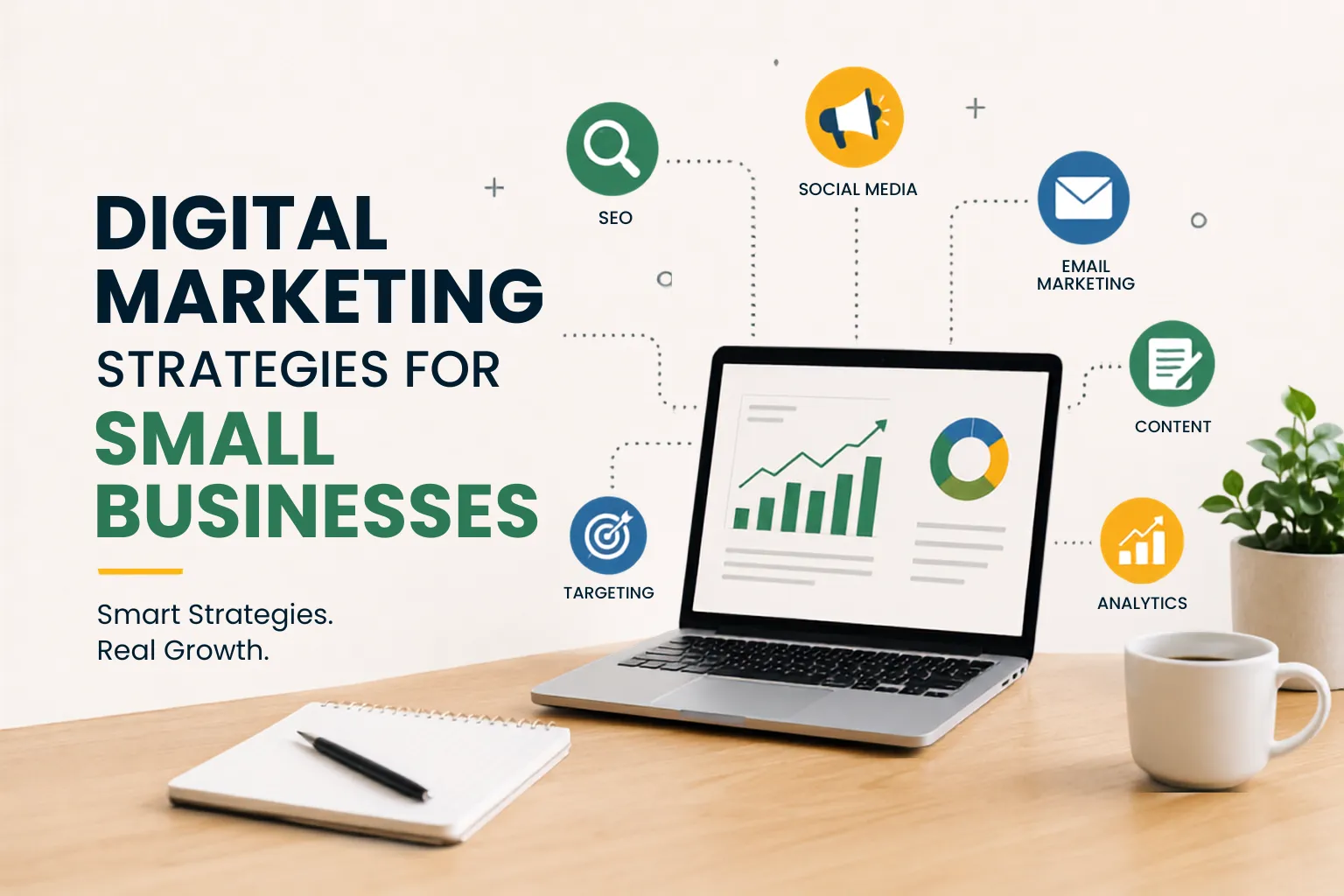
How to Market a Home-Based Business
Social Media Marketing
Choose platforms based on your customers rather than trying to be everywhere. Instagram and TikTok may work well for visual or consumer-focused businesses, while LinkedIn can be useful for professional services. Facebook, YouTube, and other platforms may also be appropriate depending on the audience.
Content Marketing
Create useful articles, videos, tutorials, case studies, or guides that answer questions your potential customers already have.
For example, a home-based web designer could publish “5 Website Mistakes Small Businesses Should Avoid.” Helpful content can demonstrate expertise while attracting people who have the problem being discussed.
Local Marketing
For businesses serving a specific geographic area, consider:
- Google Business Profile where applicable
- Local community groups
- Referrals
- Networking
- Partnerships with complementary businesses
Marketing is an ongoing activity, not something you do only when sales are slow.
Common Mistakes New Home Business Owners Should Avoid
Watch out for these common problems:
- Spending too much before validating the idea
- Trying to serve everyone
- Ignoring customer feedback
- Underpricing your services
- Mixing personal and business finances
- Expecting instant profits
- Neglecting marketing
- Copying competitors without developing a clear value proposition
- Giving up before collecting enough feedback to learn what needs improvement
A small business often improves through repeated testing rather than one perfect launch.
Simple 30-Day Plan to Start Your Home Business
| Week | Main Goal | Key Actions |
| Week 1 | Choose an idea | Research the market, competitors, and target customers |
| Week 2 | Build the foundation | Create your offer, pricing, portfolio, and basic setup |
| Week 3 | Start marketing | Build your online presence and contact prospects |
| Week 4 | Get first customers | Test the offer, collect feedback, and refine it |
Do not worry if everything takes longer than 30 days. The purpose of this plan is to create momentum, not pressure you into unrealistic deadlines.
Frequently Asked Questions
1. Can I start a small business from home with little money?
Yes. Service-based businesses such as writing, tutoring, virtual assistance, consulting, or social media management can sometimes be started with equipment you already own. Your actual costs will depend on the business.
2. What is the easiest business to start from home?
There is no universally easiest business. A service based on an existing skill can be simpler because you may not need inventory, manufacturing equipment, or physical premises.
3. How do I choose the right home-based business?
Match your skills and interests with a genuine customer problem. Then research demand, competition, pricing, and the resources required to deliver the solution.
4. Do I need to register my home business?
Possibly. Registration, tax, licensing, zoning, and permit requirements vary by location and business structure. Check your local government requirements before starting.
5. How can I find my first customers?
Start with your network, portfolio, relevant communities, referrals, useful content, partnerships, and targeted direct outreach. Focus on solving a specific problem rather than sending generic advertisements.
Conclusion
Learning how to start a small business from home does not mean having every detail figured out before you begin.
Start with a manageable idea. Talk to potential customers. Test your offer. Keep your initial expenses under control. Track what happens, listen carefully to feedback, and improve the business as you learn.
A home business can start with one customer, one service, or one product. The objective is not to build something huge immediately. It is to create something useful, prove that people value it, and develop it responsibly over time.