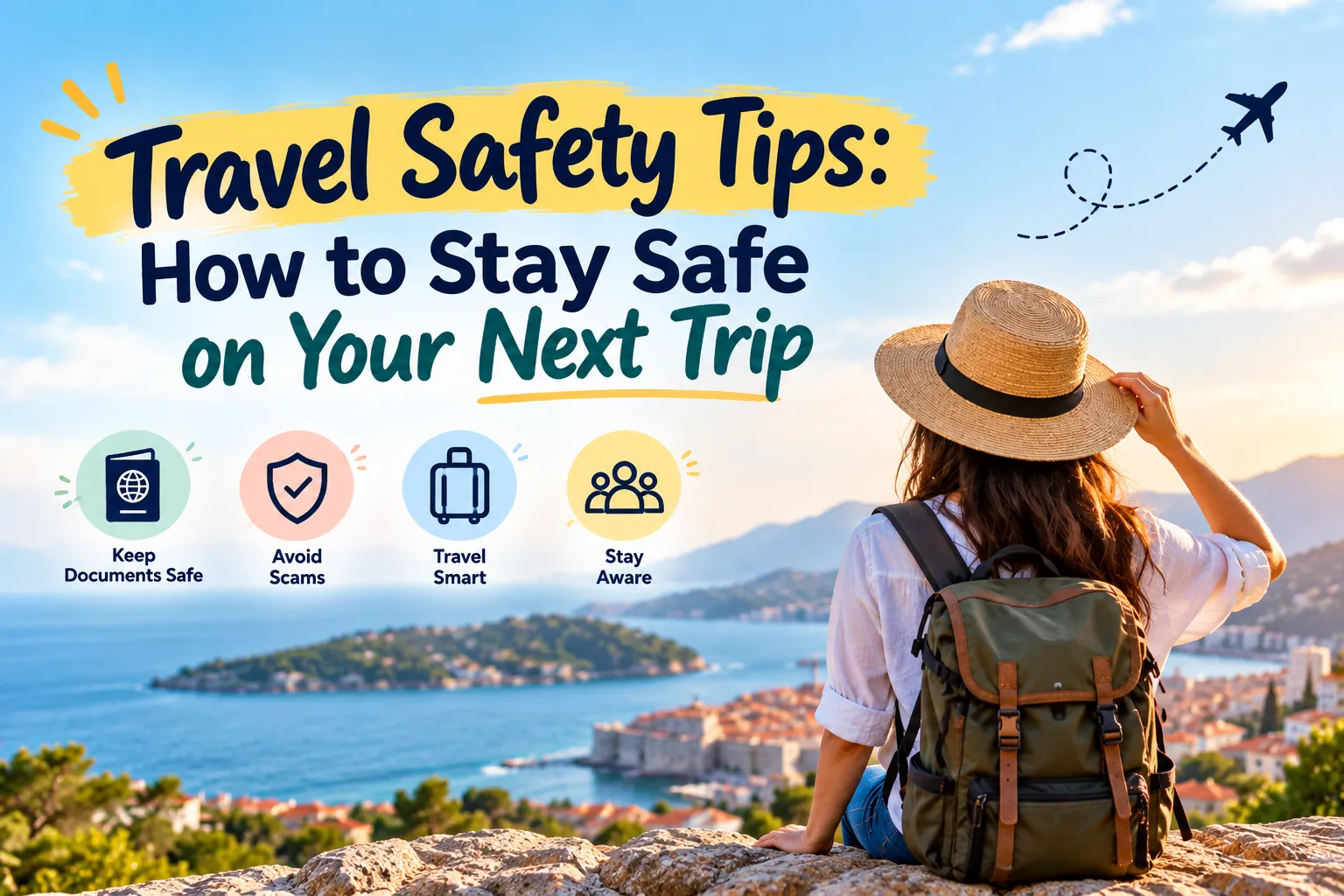
Travel should be exciting, not stressful. Whether you are taking your first international trip, planning a family vacation, traveling alone, or heading abroad for work, a little preparation can make a big difference.
The best travel safety tips are not about expecting something to go wrong. They are about being prepared if something unexpected happens. Researching your destination, protecting important documents, choosing reliable transportation, and staying aware of your surroundings can help you travel with greater confidence.
You do not need to be overly worried while traveling. Smart preparation and ordinary awareness are usually far more useful than fear.
Why Travel Safety Matters
Travel safety is about reducing avoidable problems so you can focus on enjoying your trip.
Simple precautions can help you:
- Protect your passport, money, phone, and other belongings
- Recognize and avoid common tourist scams
- Stay aware in busy or unfamiliar places
- Protect important travel documents
- Understand local laws and customs
- Respond more calmly when plans change or emergencies occur
Good preparation is especially valuable when visiting an unfamiliar country, where language, transportation, laws, and everyday customs may differ from what you know at home.
Best Travel Safety Tips for Every Traveler
Research Your Destination Before You Go
One of the most useful safe travel tips is to learn about your destination before departure.
Check current information about:
- Local laws and entry requirements
- Common scams targeting tourists
- Weather and seasonal conditions
- Reliable transportation options
- Areas where visitors may need extra caution
- Local emergency services
- Important customs and cultural expectations
For international travel, check current official travel information from your government and the destination’s relevant authorities. Conditions can change, so do not rely solely on an old blog post or social-media recommendation.
Keep Important Documents Safe
Your passport and identification are among your most important travel possessions.
Keep your passport, visa, identification, travel insurance information, hotel reservations, and emergency contacts organized and accessible. Consider making secure digital copies and storing them separately from the originals.
Do not share sensitive document images publicly or leave original documents unattended.
Protect Your Money and Valuables
Avoid carrying more cash than you reasonably need. Use secure payment methods and consider having a backup payment option in case a card is lost, blocked, or unavailable.
Other useful travel security tips include:
- Avoid displaying large amounts of cash.
- Keep wallets and phones secure in crowded areas.
- Avoid unnecessary displays of expensive jewelry or electronics.
- Use a hotel safe when appropriate and available.
- Keep backup cards or emergency funds separate from your everyday wallet.
Be Careful With Public Wi-Fi
Public Wi-Fi can be convenient, but travelers should take sensible digital precautions.
Use trusted networks when possible, keep your phone and apps updated, and use strong, unique passwords. Enable two-factor authentication on important accounts.
Avoid conducting sensitive banking or financial activity on unsecured public networks when you have a safer alternative.
Stay Aware of Your Surroundings
Awareness is one of the simplest ways to improve tourist safety.
When walking, avoid becoming so distracted by your phone that you stop paying attention to your surroundings. In crowded tourist areas, keep an eye on bags and personal belongings.
Know where you are going before setting out, particularly at night. If an area feels unfamiliar or isolated, consider choosing a busier route or using reputable transportation.
Choose Transportation Carefully
Transportation is an important part of any travel safety guide.
Use licensed taxis, reputable ride-hailing services, or established public transportation where appropriate. Before getting into a ride-hailing vehicle, check the driver and vehicle details against the information in the app.
Always use seat belts when available. Be especially cautious about unfamiliar transportation late at night or services that appear overcrowded or poorly maintained.
Be Careful With Food and Water
Food and water habits may need to change depending on your destination.
Drink water from a reliable source and choose clean, reputable food establishments. Wash your hands regularly, particularly before eating.
If you have specific health needs, pack the medications and basic health supplies you normally require, and check destination-specific health guidance before departure.
Stay Connected With Someone You Trust
Let someone you trust know your general itinerary, especially for longer or solo trips.
Keep emergency contacts accessible and consider checking in periodically. If your plans change substantially, such as staying somewhere different or traveling to another city, let your trusted contact know.
Travel Safety Tips for Solo Travelers
Solo travel offers freedom, but it also means you are responsible for your own decisions and backup plans.
Some practical solo travel safety tips include:
- Share your itinerary with someone you trust.
- Choose accommodation with reliable reviews and clear contact information.
- Keep emergency contacts easily accessible.
- Avoid revealing unnecessary personal information to strangers.
- Be cautious about accepting rides or invitations from unfamiliar people.
- Keep your phone charged and accessible.
- If a situation makes you uncomfortable, leave rather than feeling pressured to stay.
Trusting your instincts does not mean assuming everyone is dangerous. It simply means giving yourself permission to step away from situations that do not feel right.
Travel Safety Tips for Families
Family trips require a few additional precautions, particularly with young children.
Before going out, teach children what to do if they become separated from the group. Establish an easy-to-remember meeting point and make sure children know which trusted adults they can approach for help.
Parents should also:
- Keep identification and important contact information accessible.
- Organize necessary medications and documents.
- Supervise children around roads, swimming areas, and unfamiliar environments.
- Explain basic safety rules in age-appropriate language.
- Keep an updated family itinerary when traveling between destinations.
Common Travel Scams to Watch For
Scams vary considerably by destination, so research the specific location you are visiting.
| Common Scam | How It Works | How to Avoid It |
| Fake taxi | Traveler is overcharged | Use licensed/reputable transport |
| Fake official | Someone claims to be an authority | Verify credentials |
| Pickpocketing | Distraction is used to steal belongings | Keep valuables secure |
| Fake tour | Traveler pays for a poor or nonexistent service | Book through reputable providers |
| Overcharging | Unexpected fees are added | Confirm prices beforehand |
If someone pressures you to make a quick payment or hand over valuables, pause and verify the situation before acting.
What to Pack for a Safe Trip
A practical safety checklist can include:
- Passport and identification
- Secure copies of important documents
- Phone and charger
- Power bank
- Emergency contact information
- Travel insurance details
- Basic first-aid supplies
- Necessary medications
- Secure bag or luggage
- Water bottle
- Appropriate clothing for the destination
Pack according to the trip rather than carrying unnecessary equipment. A simple, organized travel bag is often easier to manage.
Emergency Travel Safety Tips
If something goes wrong, try to stay calm and focus on the next practical step.
Depending on the situation:
- Contact local emergency services when necessary.
- Follow instructions from local authorities.
- Contact your country’s embassy or consulate when appropriate.
- Contact your travel insurance provider if your policy covers the situation.
- Inform a trusted person about what happened.
- Keep records of relevant documents, reports, receipts, or other information.
Do not assume that emergency phone numbers are the same everywhere. Check the correct numbers for your destination before traveling.
Frequently Asked Questions
1. What are the most important travel safety tips?
Research your destination, protect your passport and money, use reputable transportation, stay aware of your surroundings, keep emergency contacts accessible, and understand local laws and customs.
2. How can I stay safe when traveling alone?
Share your itinerary, choose accommodation carefully, keep your phone charged, avoid unnecessary personal disclosures, use reputable transportation, and leave situations that make you uncomfortable.
3. How can tourists avoid common travel scams?
Research scams common to your destination, confirm prices before agreeing to services, use reputable providers, and verify unexpected requests for money or personal information.
4. Should I carry my passport everywhere?
Requirements vary by country and situation. Follow local rules and official guidance. When you do not need to carry the original, store it securely and keep an appropriate copy available.
5. How can I protect my money while traveling?
Carry limited cash, use secure payment methods, keep backup payment options, protect your cards and PINs, and avoid displaying valuables unnecessarily.
Conclusion
Safe travel is mainly about preparation, awareness, and sensible decisions. You do not need to spend your vacation worrying about everything that could go wrong.
Instead, research before you leave, protect your important documents and valuables, stay aware of your surroundings, follow local laws and customs, and keep emergency contacts accessible. Choose reputable transportation and services, and know what to do if your plans unexpectedly change.
With these travel safety tips, you can reduce avoidable problems while leaving plenty of room for what travel is really about: discovering new places, meeting people, and enjoying the experience with confidence.